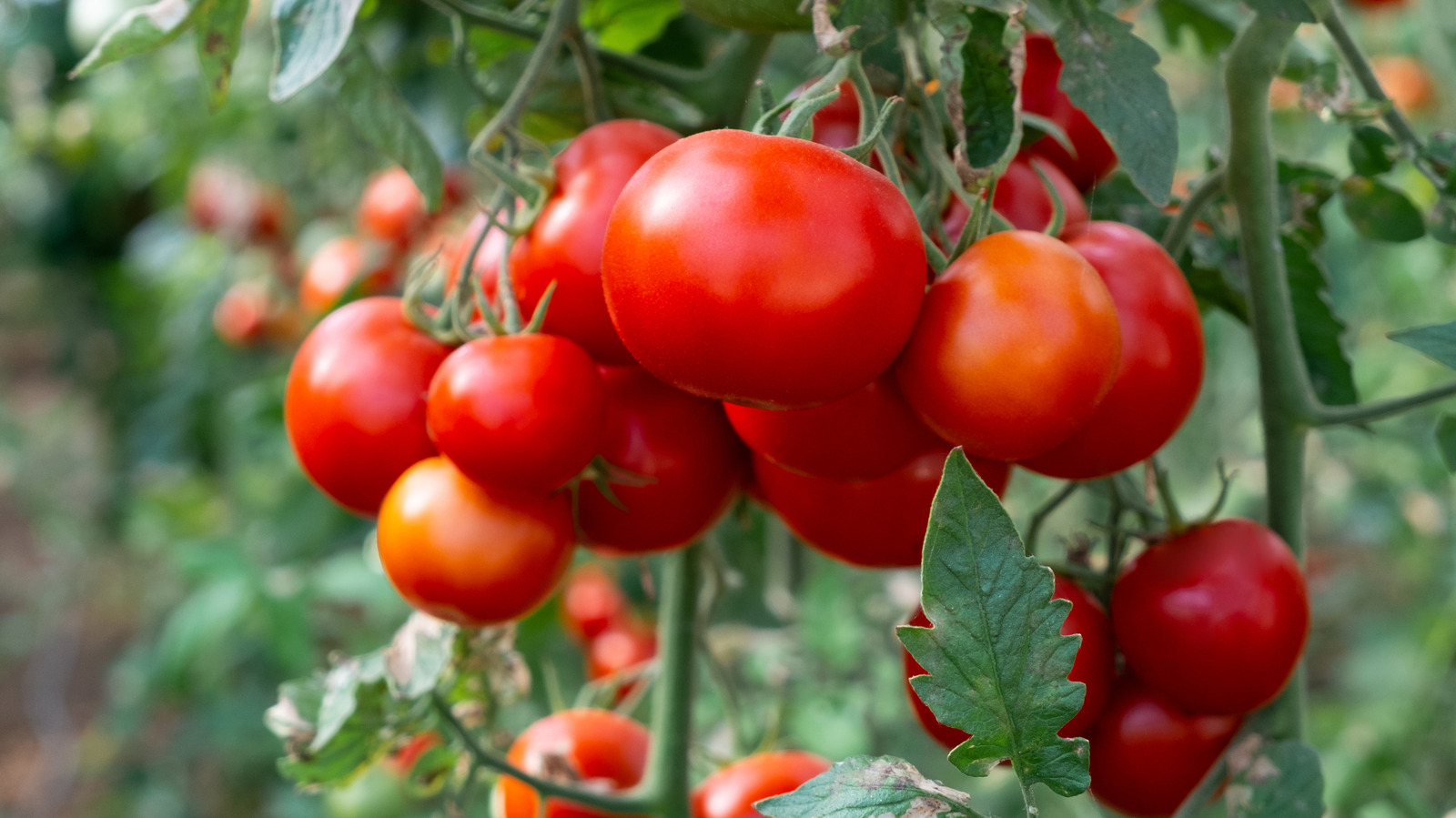
Tomato prices have climbed sharply in 2026, driven by supply constraints that ripple across kitchens and restaurant menus nationwide. Weather disruptions, particularly unexpected frost and drought conditions in major growing regions, have decimated yields just as demand remains steady.
Mexico and California, which together supply roughly 85 percent of fresh tomatoes consumed in the United States, faced severe production challenges. Winter freezes destroyed flowering plants in Sinaloa state, Mexico's primary tomato hub, while California's Central Valley experienced prolonged water shortages that stressed irrigation systems. These twin crises compressed supply precisely when restaurants and home cooks enter peak tomato season.
The price surge reverberates through restaurant kitchens. Chefs relying on fresh tomato sauces, heirloom tomato salads, and gazpacho face difficult choices. Some establishments swap premium fresh tomatoes for canned alternatives, a practical but flavor-compromising pivot. Others adjust menu pricing or reduce portion sizes. High-end restaurants featuring tomato-forward dishes, like those serving traditional Italian cuisine or Mediterranean fare, absorb costs more easily than casual operations running thin margins.
Home cooks feel the pinch at grocery stores, where a pound of quality tomatoes now costs nearly double last year's prices. This drives consumers toward processed options. Canned tomatoes, harvested at peak ripeness and preserved, offer better value and consistent quality than increasingly mediocre fresh specimens.
Experts predict prices will stabilize by mid-2026 as new harvests arrive and alternative suppliers ramp up production. Meanwhile, producers explore climate-resilient tomato varieties and irrigation technologies to buffer against future disruptions.
The tomato shortage underscores agriculture's fragility in an era of volatile weather patterns. Neither restaurants nor home cooks can dodge this reality. Strategic sourcing, flexible menu planning, and acceptance of price