Penn Station East Coast Subs has rebranded itself as Penn Station Sandwiches, signaling a broader shift in how the 316-unit chain operates in an era dominated by third-party delivery platforms.
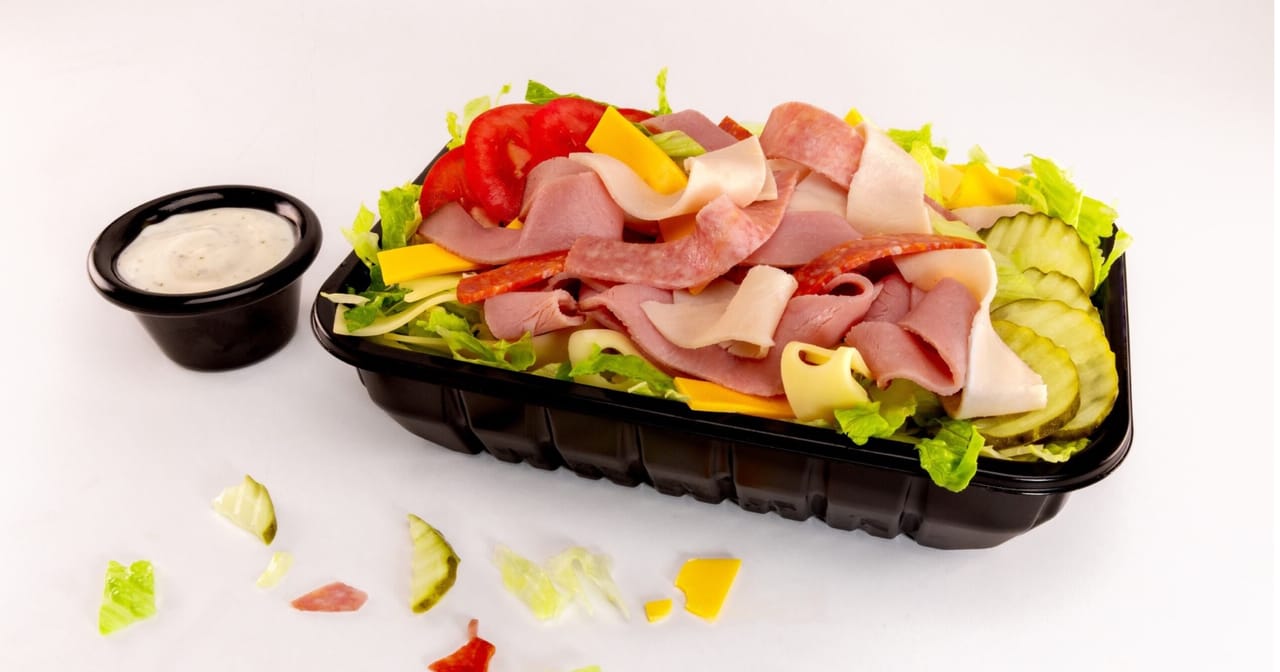
The rebrand extends beyond nomenclature. While the chain retains its signature hot submarine sandwiches, the menu now features cold sandwiches on nine-grain sliced bread, wraps, and bowls. These additions matter because they address a practical problem that plagues hot sandwich chains in the delivery economy. Hot subs lose quality during transit. Cold options arrive crisp and intact.
This move reflects mounting pressure on fast-casual chains to optimize their menus for delivery, which now represents a significant revenue stream for restaurant operators. DoorDash, Uber Eats, and Grubhub have fundamentally changed how consumers interact with restaurants. A sandwich that travels well becomes a sandwich that sells well when customers order from their phones.
Penn Station, which originated in Columbus, Ohio, in 1988, built its reputation on fresh-made hot subs that executives argue compete with Subway and other sandwich chains. The cold sandwich addition does not abandon that core identity. Rather, it expands what Penn Station can offer to the growing segment of customers who order food for delivery rather than dine in.
The nine-grain bread choice signals intentionality around quality ingredients. The chain is not simply copying competitor menus but positioning these cold sandwiches as a premium alternative to basic cold cuts on white bread.
Wraps and bowls similarly acknowledge changing consumer preferences away from traditional bread formats. These items also fit neatly into delivery packaging without the structural compromises that hot sandwiches suffer.
The rebranding itself, dropping "East Coast Subs" from the name, suggests Penn Station wants a more flexible brand identity. The new name is shorter, easier to remember,