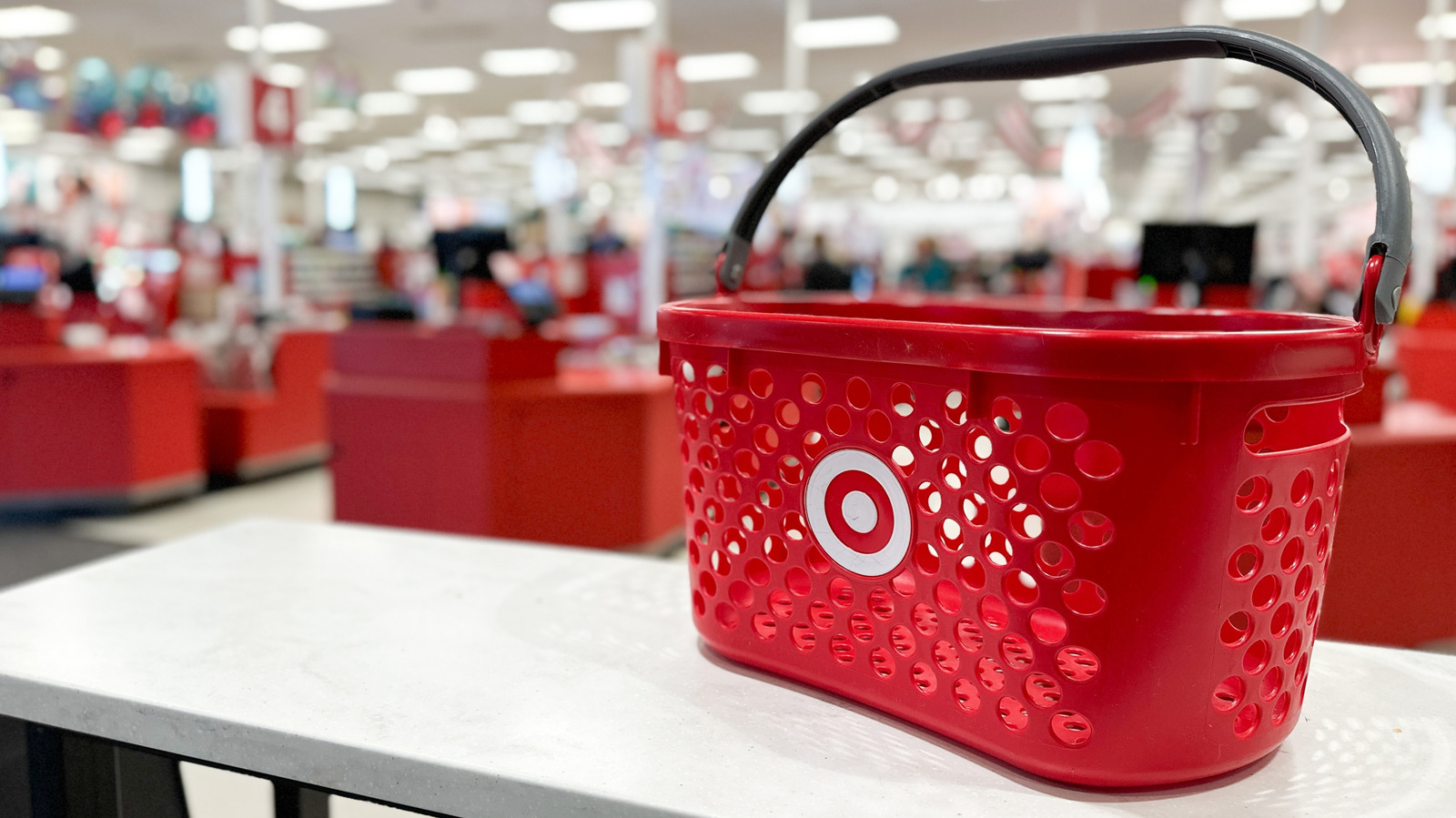
Target accelerates its push into grocery retail with a sweeping overhaul of its food departments launching in 2026. The Minneapolis-based retailer recognizes that shoppers increasingly view it as a legitimate alternative to traditional supermarkets, not just a convenient supplement.
The grocery redesign reflects broader retail strategy. Target operates over 1,900 stores nationwide, each with existing food sections that now represent untapped revenue potential. By expanding and restructuring these departments, Target positions itself to capture grocery spending that traditionally flows to Kroger, Walmart, and regional chains.
This shift mirrors consumer behavior changes accelerated post-pandemic. Shoppers now expect to load up on groceries while browsing general merchandise under one roof. Target's fresh produce, meat, and dairy sections already exist in most locations. The 2026 changes will deepen inventory, improve store layouts, and likely introduce private-label products to compete on price.
Target's grocery ambitions carry real stakes for the industry. The company commands loyal customers with its brand reputation and convenient locations in suburban and urban markets. Expanding that grocery footprint directly challenges established supermarket chains while leveraging Target's existing infrastructure and traffic patterns.
Competition intensifies as retailers blur category lines. Walmart dominates grocery margins through scale and supply chain efficiency. Target brings different advantages. Target customers typically carry higher household incomes and demonstrate strong loyalty to the brand. These demographics spend more on premium and organic options, categories where Target can command better margins than traditional grocery stores.
The specific changes coming in 2026 remain partially undisclosed, but expansion typically involves enlarged produce sections, expanded meat and seafood counters, and enhanced prepared foods. Target may also introduce more grab-and-go options tailored to its urban store formats.
This grocery expansion represents Target's recognition that modern retail success requires meeting customers across multiple needs during single shopping trips. By 2026, grocery