# Chagee and Red Lobster Signal Shifts in Consumer Spending
The restaurant sector faces mounting pressure as chains adjust to changing consumer behavior and economic headwinds. Chagee, the Chinese bubble tea brand expanding aggressively across North America, and Red Lobster, the casual-dining stalwart fighting for relevance, represent two very different responses to the same challenge: Americans are spending less on food away from home.
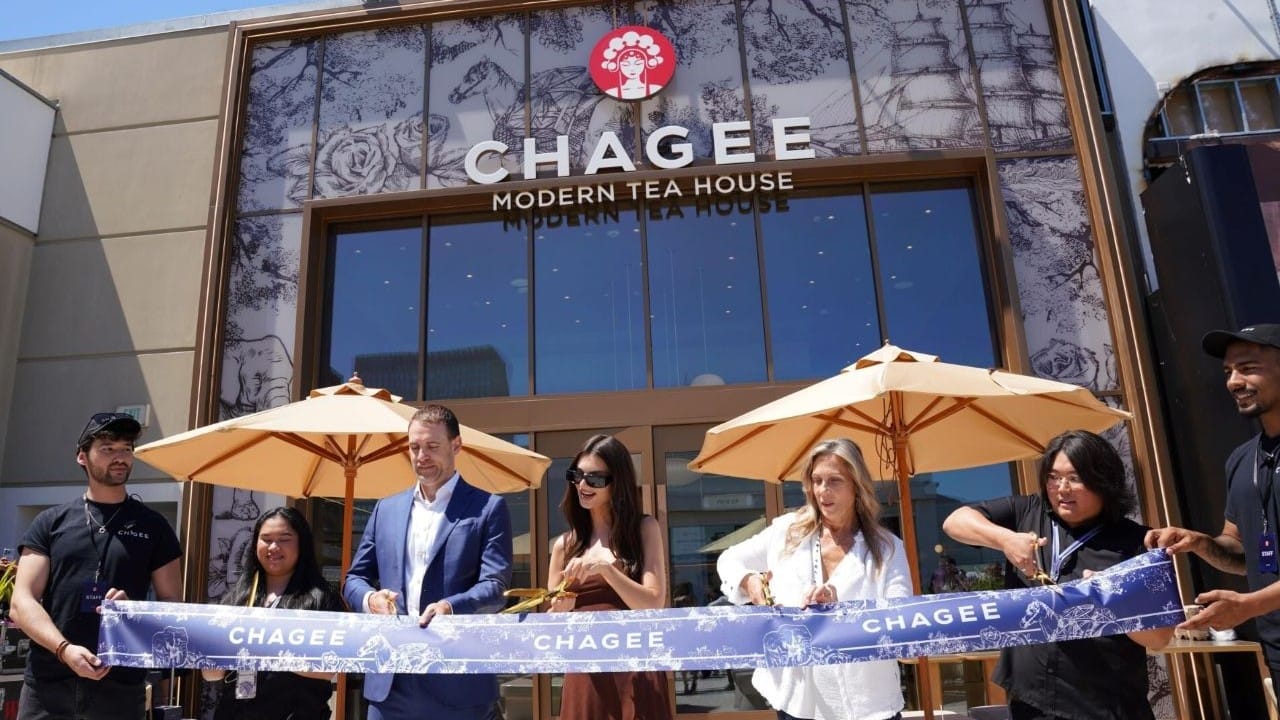
Chagee's growth reflects where younger diners direct their discretionary dollars. The brand positions itself as an affordable indulgence, offering trendy drinks at price points below specialty coffee chains. This positions bubble tea as the gateway beverage for cash-conscious Gen Z and millennial consumers seeking Instagram-worthy products without premium pricing. The chain's expansion plays into the broader shift toward quick-service concepts that deliver novelty and value simultaneously.
Red Lobster operates in a different universe entirely. The casual-dining sector, which depends on higher check averages and repeat visits from middle-income families, has contracted sharply. Rising labor costs, food inflation, and consumer pullback on mid-priced restaurant visits have squeezed operators. Red Lobster's struggles reflect the wider pain across chains like Applebee's and Chili's, where traffic and spending power have both declined.
The divergence reveals a bifurcating restaurant economy. Premium fine dining survives on affluent customers with stable incomes. Quick-service and value concepts like Chagee capture budget-conscious consumers trading down. The middle market, where Red Lobster lives, hollows out. Neither inflation nor interest rates have stabilized consumer confidence enough to revive the casual-dining sweet spot.
These economic crosscurrents shape what Americans eat and where. As spending patterns contract, growth accrues to polar opposites: affordable, trendy quick-service and luxury dining