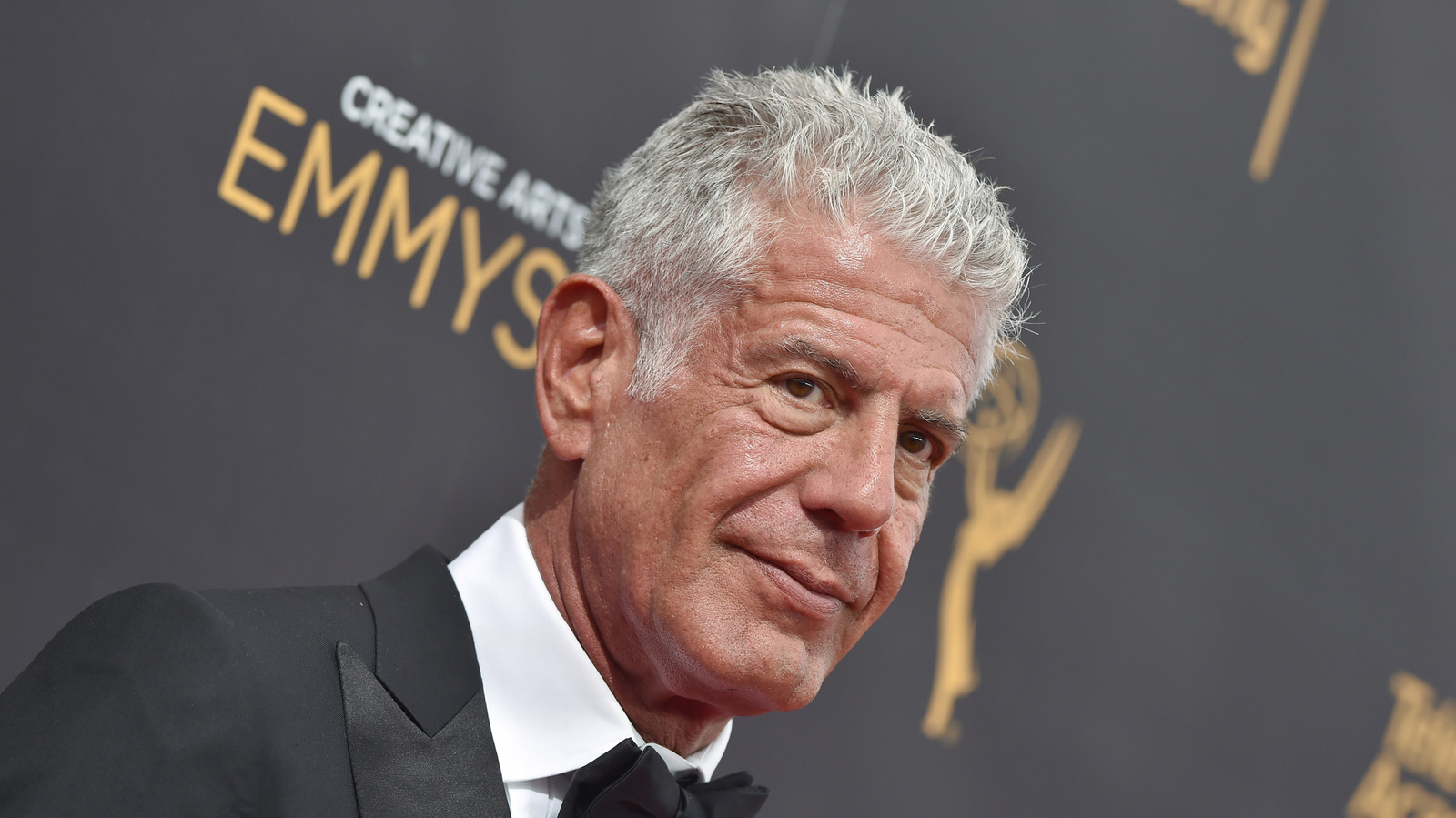
Anthony Bourdain's ascent from kitchen line cook to global television personality hinged on a single pivot point. The chef didn't plan his entry into the food industry. Instead, circumstances pushed him toward the restaurant kitchen at Les Halles in New York, where he worked as an executive chef before a pivotal decision altered his trajectory entirely.
That turning point came when Bourdain chose to write. His 1999 memoir "Kitchen Confidential: Adventures in the Culinary Underbelly" transformed him from an anonymous chef into a cultural voice. The brutally honest account of restaurant life, filled with unvarnished stories about drugs, chaos, and culinary ambition, resonated with readers far beyond food circles. Bourdain's willingness to strip away the glamour and expose the industry's raw underbelly struck a chord during an era when celebrity chefs still operated within carefully constructed personas.
That book became his springboard. Publishers, television producers, and media networks suddenly saw value in Bourdain's perspective. What followed was a career that transcended cooking entirely. The 2005 launch of "Anthony Bourdain: Parts Unknown" established him as a documentarian and anthropologist of global food culture rather than simply a chef. He traveled to over 80 countries, investigating how food connected to history, politics, and human dignity.
The decision to write rather than remain behind a stove redefined what it meant to be a chef in the public eye. Bourdain demonstrated that culinary credibility could translate into storytelling power. His authenticity, irreverent humor, and genuine curiosity about places and people became his real ingredients.
Bourdain's path reveals a truth about career evolution. Sometimes the most transformative moment arrives when you choose a different medium to express what you already know. His commitment to honest narrative over culinary technique proved far