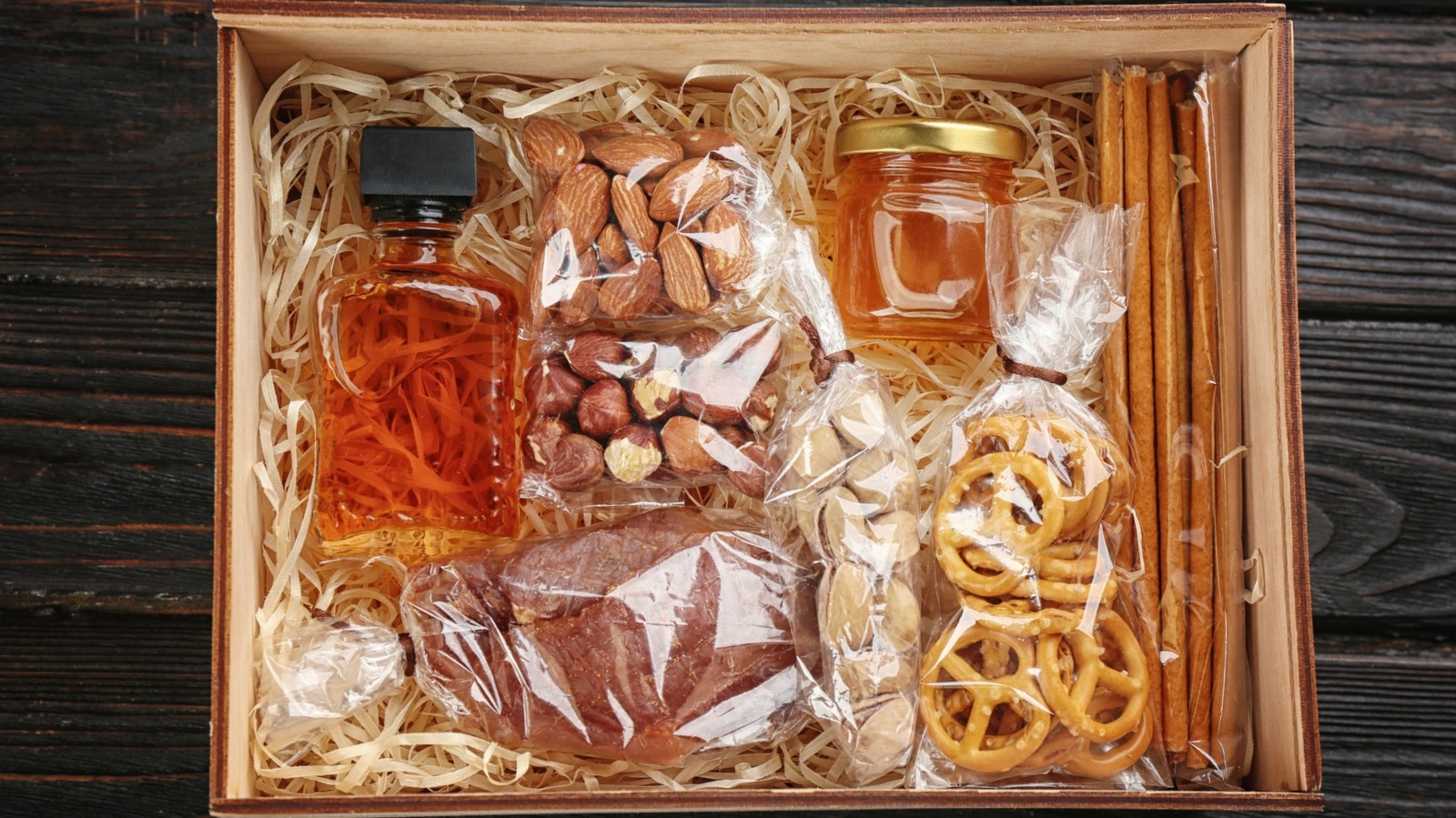
Amazon's curated snack crates offer an affordable Father's Day solution for gift-givers seeking to please dads who prioritize indulgence over sentimentality. These subscription-style boxes, priced under fifty dollars, bundle popular treats from regional producers and national brands into ready-made packages that require zero assembly.
The appeal lies in their low barrier to entry and broad appeal. Rather than gambling on a single snack preference, these crates hedge bets by combining sweet, savory, and salty options. Beef jerky sits alongside chocolate-covered pretzels and artisanal popcorn seasonings. Some boxes feature international selections, importing British crisps or Japanese crackers alongside domestic favorites.
For e-commerce giants like Amazon, snack crates represent a straightforward play in the gifting market. The company bundles items already sold individually, repackages them in branded boxes, and benefits from impulse purchases during seasonal buying windows. Father's Day, hitting mid-June, provides a predictable surge in snack crate sales alongside ties and grilling tools.
The model works because it addresses a real consumer pain point. Most fathers claim to want experiences over things, yet they genuinely appreciate quality snacks. A crate delivers tangible luxury without the pretense of jewelry or cologne. The unboxing experience matters too. Recipients enjoy discovering individual items rather than receiving a bulk bag of single-origin popcorn.
Amazon's pricing strategy proves shrewd. By keeping crates under fifty dollars, the company targets impulse purchasers who might otherwise skip Father's Day entirely. Free shipping for Prime members sweetens the deal further.
What this signals about food retail is telling. Snack crates occupy a sweet spot between convenience and perceived thoughtfulness. They work especially well for distant relationships, last-minute shoppers, or anyone unsure about a father's actual taste preferences