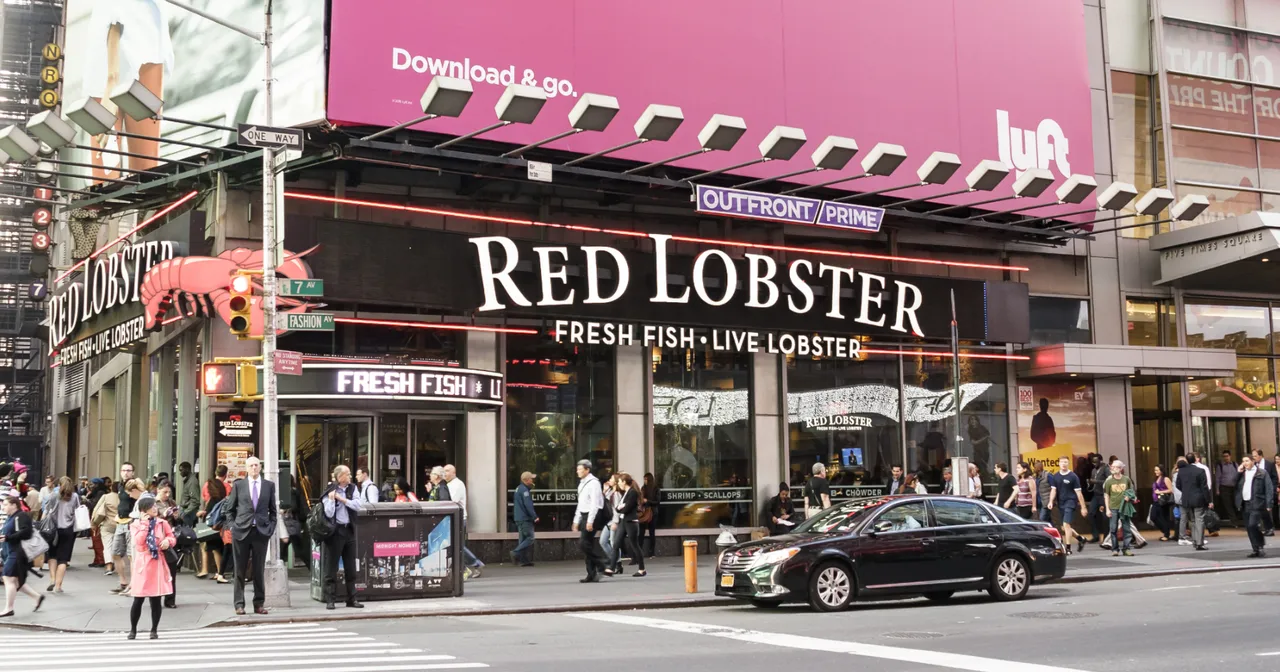
Red Lobster shutters its Times Square flagship location on June 14, blaming ongoing construction for declining foot traffic in Manhattan's most visited neighborhood. The seafood chain's decision marks another retreat from one of America's highest-rent retail districts.
The Times Square restaurant has served as a visible anchor for Red Lobster's brand presence in New York City. Construction activity in the area created barriers to entry and deterred casual diners from stopping in, according to the company. Rather than weather an extended downturn, Red Lobster chose to exit entirely.
The closure reflects broader challenges facing casual dining chains in premium urban locations. Rent, labor costs, and customer accessibility directly impact profitability. When external factors like construction disrupt the visitor experience, margins thin quickly. Red Lobster determined that waiting out the disruption wasn't economical.
Times Square locations carry outsized symbolic weight for restaurant operators. Tourism powers the foot traffic that justifies premium real estate prices. When that tourist flow slows, even temporarily, the economics collapse fast. Construction projects that reduce street-level visibility or create physical obstacles hit restaurants particularly hard.
Red Lobster's exit from Times Square also reflects the casual dining sector's ongoing contraction in major cities. Many chains have consolidated locations and shifted focus toward suburban markets with lower operating costs and more predictable customer bases. The brand still operates other New York locations, but the Times Square presence represented aspirational retail positioning.
For diners, the closure eliminates one of few seafood-focused casual chains in the neighborhood. Times Square's restaurant mix has shifted toward quick-service and international concepts, with legacy American casual dining increasingly scarce. Red Lobster's departure accelerates this trend.
The company faces broader financial pressures beyond any single location. Casual seafood dining competes with everything from fast-casual concepts to high-end restaurants, shrinking the middle. Times Square construction