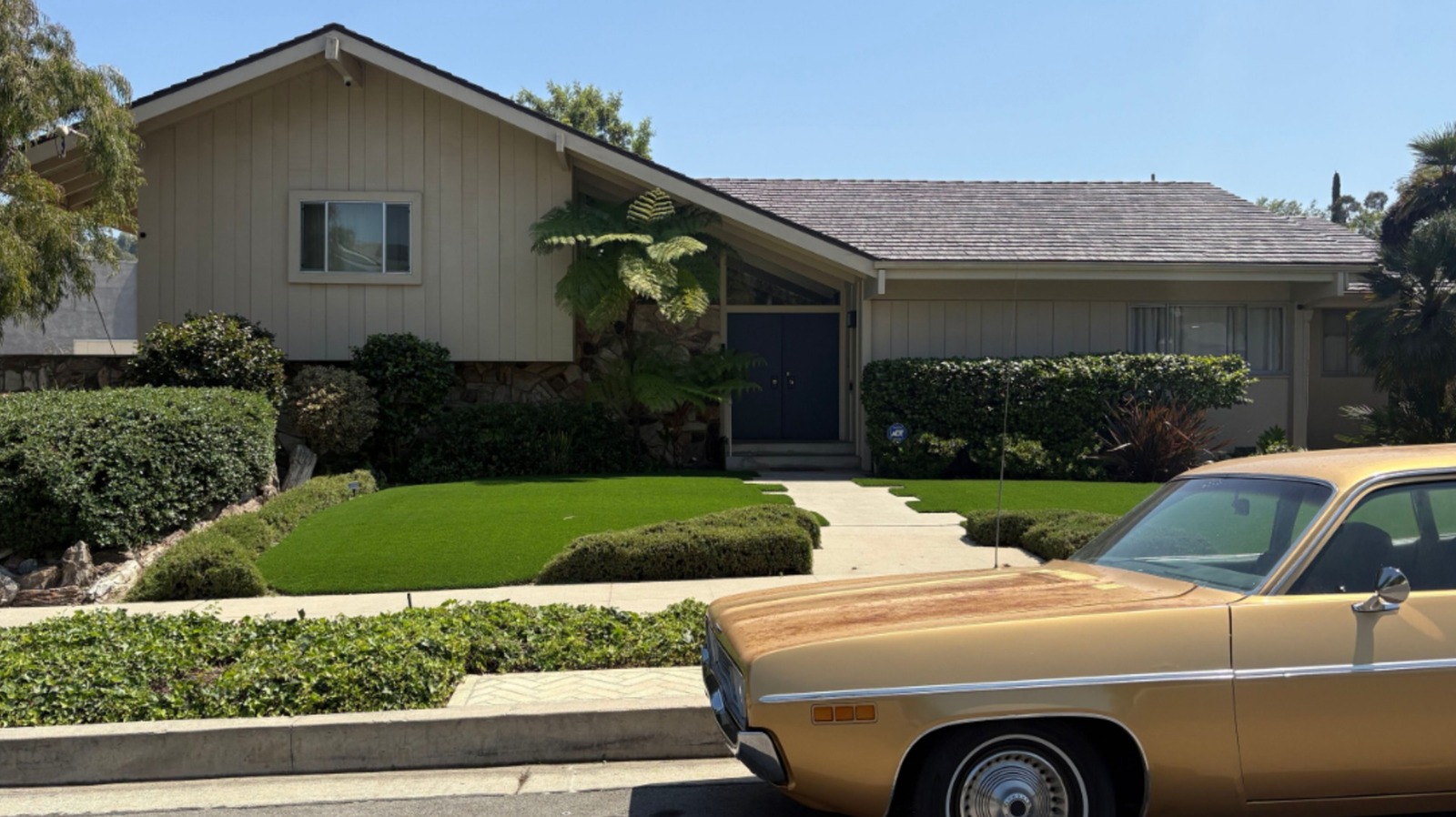
The iconic Brady Bunch kitchen, set from one of television's most beloved family sitcoms, opened its doors to reveal a meticulously preserved time capsule of 1970s domestic design. The kitchen captures the exact aesthetic that defined a generation: avocado-green appliances, harvest gold countertops, and wood-paneled cabinets that scream mid-century Americana.
Walking through the space offers more than nostalgia. The kitchen functioned as the beating heart of the show, where Alice, the family's housekeeper played by Ann B. Davis, prepared countless family meals while dispensing wisdom and humor. The room's layout prioritizes efficiency and gathering, with a large countertop island serving as both workspace and social hub. The original Formica surfaces, chrome fixtures, and period-appropriate cookware transport visitors directly into the Brady household.
The design choices reveal how cooking spaces reflected broader cultural values of the era. Open shelving displays vintage dishes and glassware. The refrigerator, a marvel of 1970s engineering, stands as a monument to appliance design before modern stainless steel dominated kitchens. Every element, from the checkered linoleum flooring to the small eat-in breakfast nook, tells a story about how American families actually lived and gathered around food.
The Brady kitchen represents more than television set dressing. It documents a moment when kitchens began shifting from purely functional spaces into centers of family life and entertainment. The show itself normalized the working woman in the domestic sphere through Alice's character, presenting her not as subservient but as a skilled professional managing a complex household.
For food enthusiasts and television historians alike, stepping into this space offers tangible connection to American pop culture history. The Brady Bunch kitchen remains iconic because it captured something authentic about how families cooked, ate, and connected during that era. The retro aesthetic