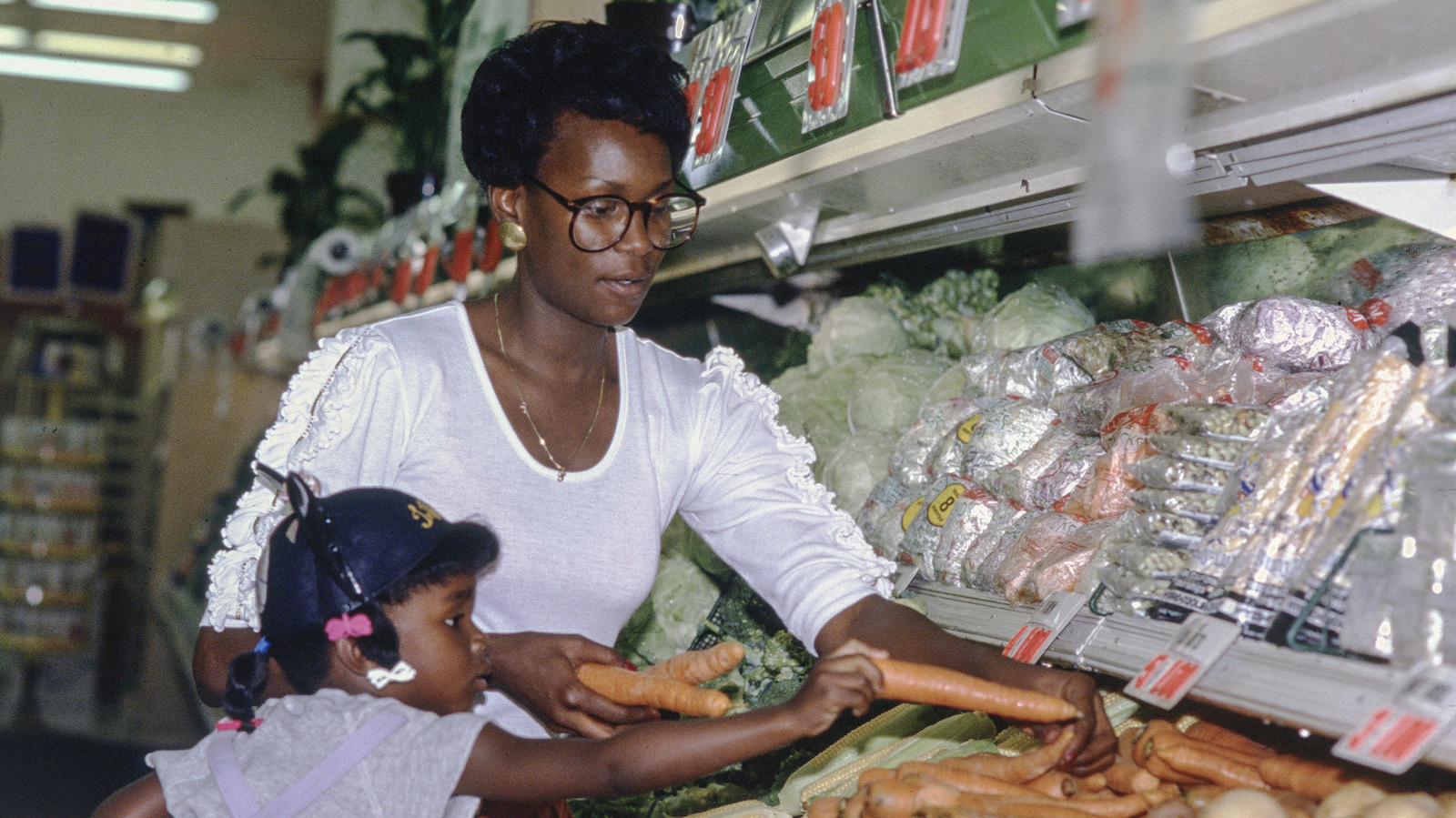
Grocery shopping in the 1980s established the retail food landscape we navigate today. The decade introduced self-checkout sensibilities, expanded frozen food sections, and the rise of the supermarket as a destination rather than a mere utility.
During the '80s, stores began experimenting with larger formats. Supermarkets grew from neighborhood shops into sprawling temples of convenience. Fluorescent lighting flooded aisles stacked higher than ever before. Chain stores proliferated, squeezing out independent grocers. Brands battled for shelf space with aggressive marketing and eye-catching packaging that still defines modern grocery design.
The frozen food aisle exploded. Manufacturers discovered that frozen meals could deliver restaurant-quality convenience to home kitchens. TV dinners evolved from basic trays into sophisticated options. Stouffer's, Marie Callender's, and budget brands competed fiercely. This innovation fundamentally changed how Americans ate at home, reducing cooking time and expanding dinner possibilities for working families.
Checkout processes transformed too. Barcode scanning technology became standard, replacing manual price checking. Electronic registers streamlined transactions. These systems generated the data that supermarkets now use to track inventory and customer preferences.
Product variety skyrocketed. Organic sections barely existed, but exotic ingredients started appearing in major chains. Salsa began its ascent toward ketchup-rivaling popularity. International cuisines entered mainstream shopping carts. Supermarkets positioned themselves as cultural gateways, not just food sources.
Loyalty programs emerged as stores tracked purchasing patterns through coupons and early scanner data. Loss leaders and strategic placement manipulated shopping behavior. Marketing became as important as product quality.
The '80s grocery store created the modern shopping experience. Larger formats, frozen convenience, technological efficiency, and data-driven marketing all trace back to that decade. Today's grocery landscape, from app-based shopping