The National Restaurant Association Show delivered plenty of culinary innovation but left attendees wrestling with one persistent problem: overwhelming noise on the convention floor.
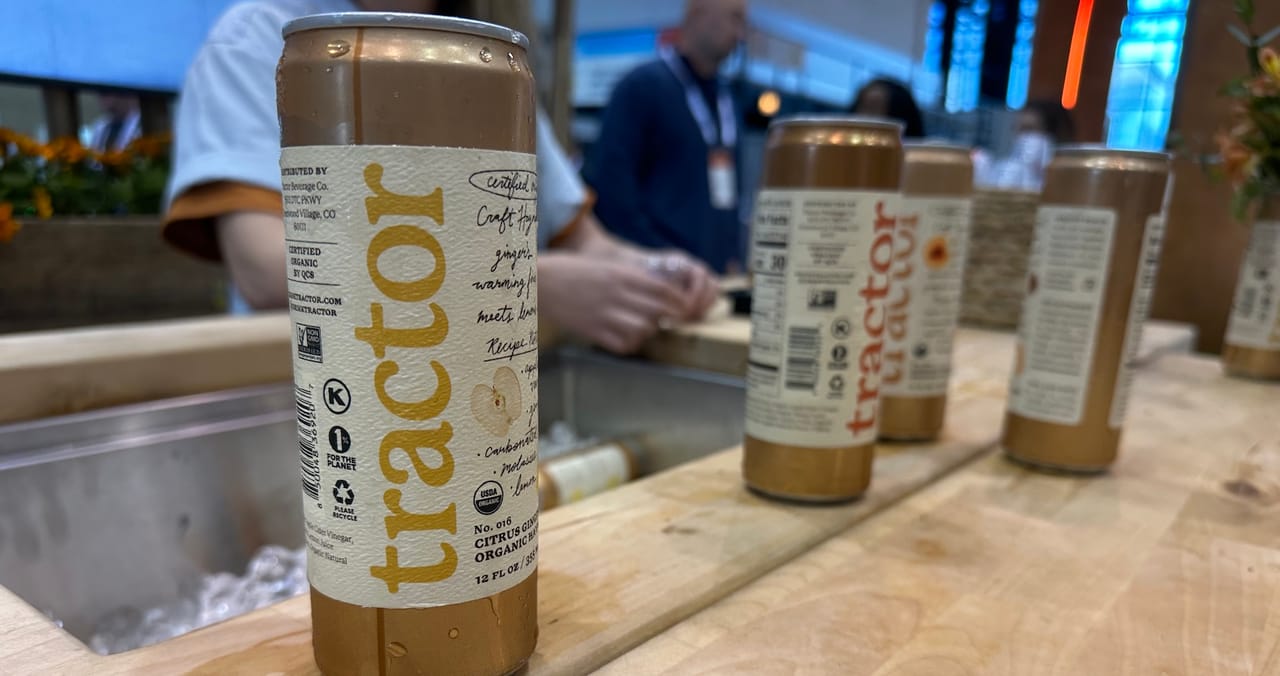
Journalists and industry professionals who toured the massive annual event discovered standout products across multiple categories. New foods drew consistent praise, along with exceptional cheese selections and creative ice cream offerings. Beverage innovations also impressed the crowd, suggesting the drinks sector continues pushing boundaries in flavor and functionality.
Yet the show's physical environment created real challenges for visitors trying to conduct business and properly evaluate products. The decibel levels made conversations difficult and product tastings less enjoyable. For an event designed to showcase culinary talent and connect industry professionals, the acoustic experience undermined the actual mission.
The National Restaurant Association Show remains the industry's largest gathering, attracting thousands of restaurateurs, suppliers, and food service professionals annually. It serves as a critical marketplace for discovering new ingredients, equipment, and concepts destined for menus across America. Exhibitors invest heavily in booth design and product sampling, hoping to secure contracts and generate buzz.
The tension between spectacle and substance reflects a broader challenge facing trade shows post-pandemic. Organizers want to create excitement and energy that draws crowds, but excessive noise prevents meaningful product evaluation and business discussions. Better acoustic planning, designated quiet zones, or time-limited amplified entertainment could preserve the event's energy while improving the actual experience of discovering what's next in restaurant food and beverage.
The show's success ultimately depends on what actually makes it to restaurant menus. Those new foods, cheeses, and ice creams highlighted by attendees will only matter if chefs and restaurant operators can properly experience them and make informed purchasing decisions. That requires an environment where products can speak for themselves.