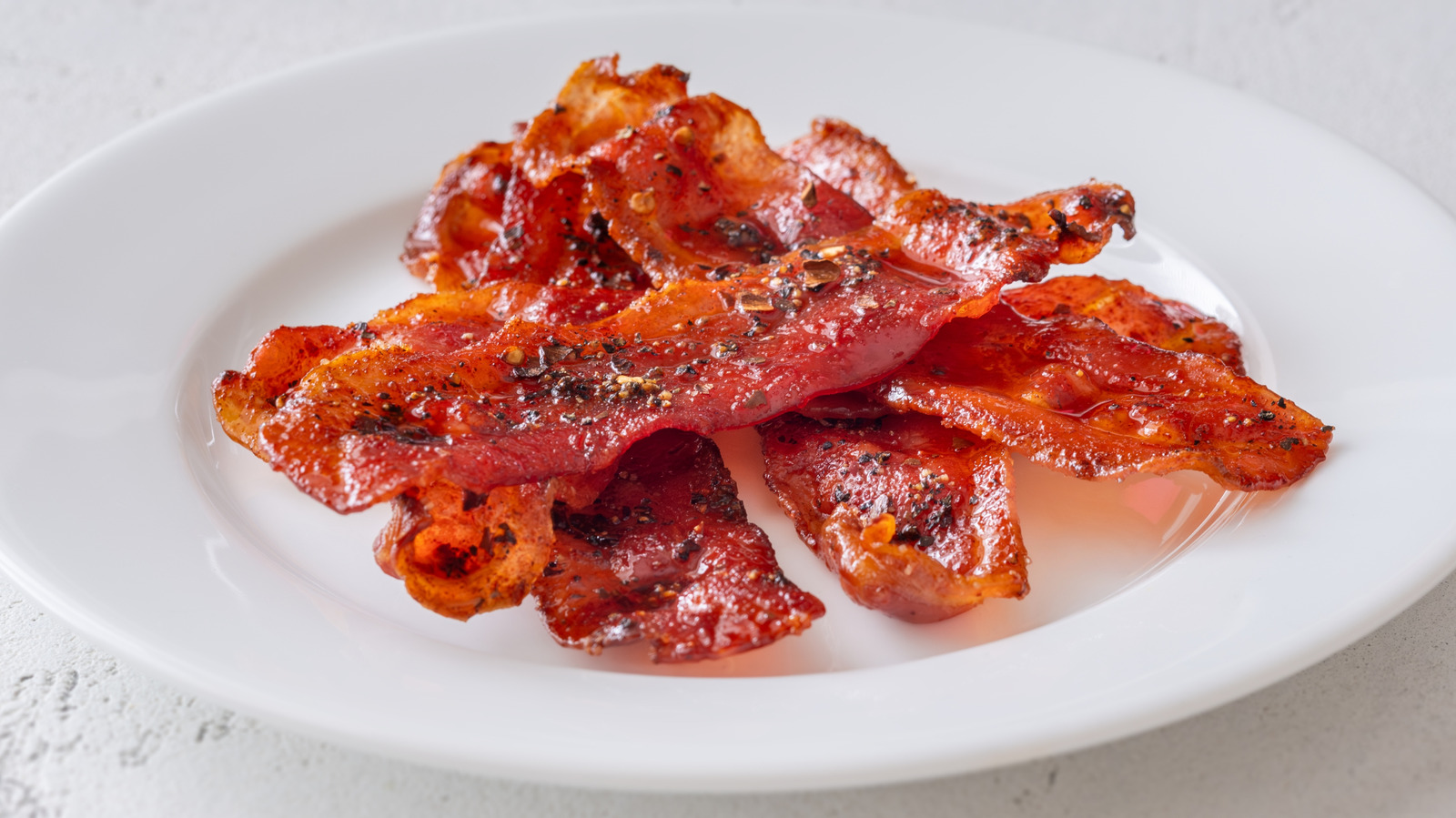
Turkey bacon edges out traditional pork bacon in the protein department, though the difference proves smaller than many assume. A 2-ounce serving of turkey bacon delivers roughly 12 grams of protein, while the same portion of pork bacon contains about 6 grams. This makes turkey bacon an attractive option for people prioritizing protein intake without dramatically increasing calorie consumption.
The trade-off involves fat content. Pork bacon carries more saturated fat, with roughly 8 grams per 2-ounce serving compared to turkey bacon's 5 grams. Turkey bacon also typically contains fewer calories, around 90 per 2-ounce portion versus pork bacon's 160. For consumers watching their waistline or managing cholesterol, the poultry option presents a leaner profile.
Taste remains the deciding factor for many. Pork bacon's crispy texture and rich, savory flavor keep it the breakfast staple in American kitchens. Turkey bacon delivers a milder, sometimes slightly artificial taste that some find acceptable and others reject outright. Processing methods affect both products, with many commercial varieties relying on added nitrates and sodium for preservation and flavor.
Sodium levels vary considerably across brands. Store-bought bacon products frequently exceed 400 milligrams of sodium per serving, pushing consumers toward their daily limits quickly. Selecting uncured varieties or lower-sodium options reduces this concern.
Neither choice emerges as universally superior. Turkey bacon wins on protein-to-calorie ratio and saturated fat content, making it ideal for gym-goers and health-conscious eaters. Pork bacon retains its crown for flavor and texture, justifying its place on millions of breakfast plates. Some consumers split the difference, rotating between both or mixing them together for balanced nutrition and satisfaction. The choice ultimately depends on individual dietary goals, taste preferences,