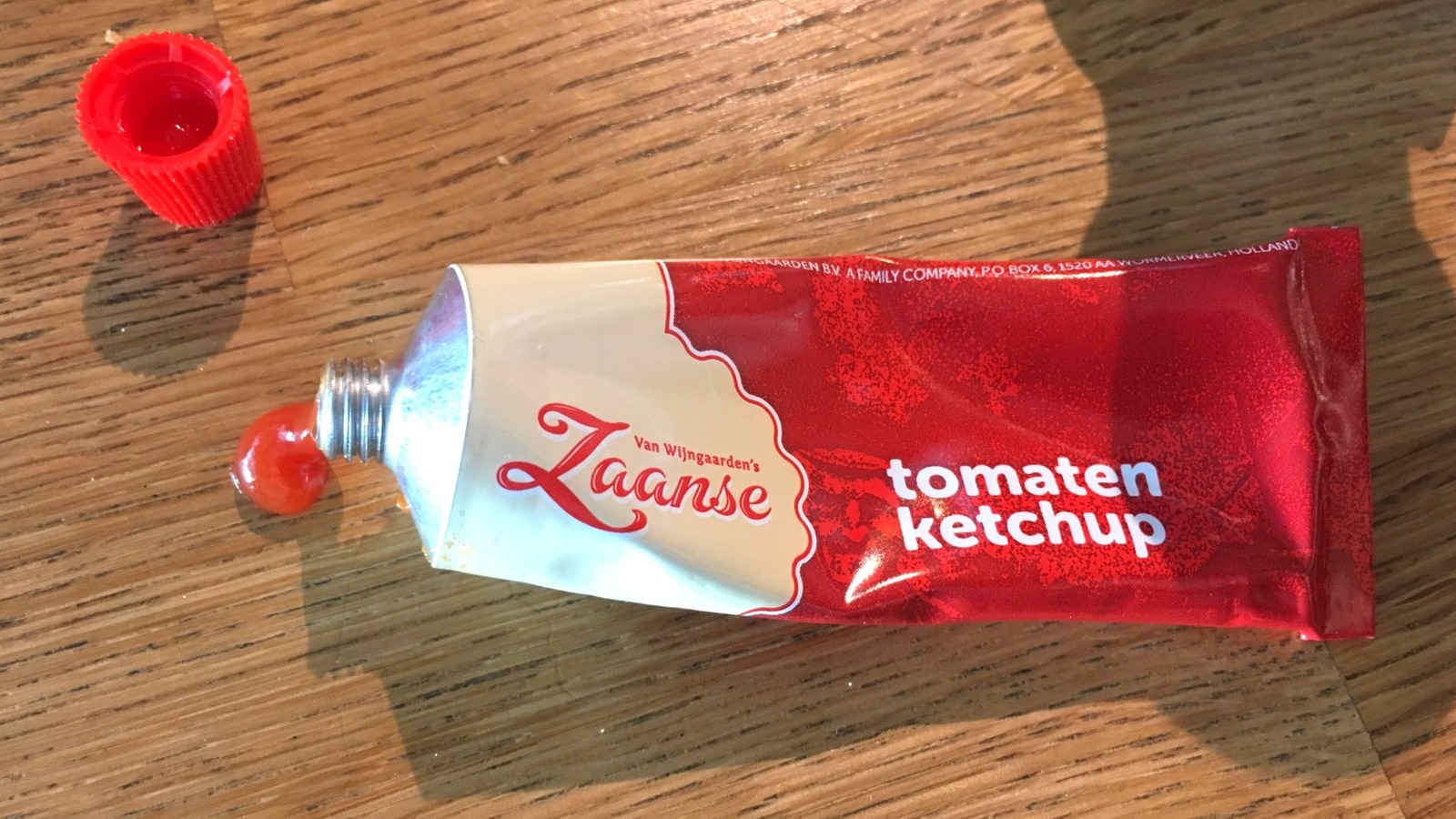
Ketchup in tubes dominates European grocery shelves for practical reasons rooted in consumer behavior and retail logistics. The toothpaste-style packaging offers distinct advantages over traditional glass bottles that shaped purchasing habits across the continent.
Tube packaging delivers superior portion control. Consumers squeeze out exactly what they need, minimizing waste and extending product shelf life once opened. This efficiency resonates strongly in European markets where space constraints in kitchens and refrigerators drive purchasing decisions. The compact cylindrical format stacks easily on shelves and fits neatly into cramped European pantries.
Cost savings matter too. Tubes require less transportation volume than bulky glass bottles, reducing shipping expenses and environmental impact. For retailers managing tight margins, tubes offer better inventory management. The lighter packaging lowers logistics costs, savings passed to price-conscious European shoppers.
Manufacturing history explains regional preferences as well. Tube technology gained early adoption in certain European markets through specific condiment brands and retailers who standardized the format decades ago. Once established, consumer expectations solidified around tubes in those regions. Shoppers in Germany, France, and Scandinavia grew accustomed to tube ketchup, making the format the default choice rather than an alternative.
The tube format also prevents contamination better than open-cap bottles. No surface sits exposed to air after each use. This sealed delivery system appealed to European food safety standards and consumer concerns about product freshness.
American consumers never embraced tubes at scale because they grew up with glass bottles and plastic squeeze bottles in that distinctive shape. Switching to tubes felt counterintuitive. Brand loyalty to established bottle formats proved resistant to change.
Today, tubes remain the dominant ketchup delivery system across much of Europe, from supermarket shelves to restaurant tables. The format represents regional preferences shaped by practical concerns, established manufacturing patterns, and deeply ingrained consumer habits. What seems ordinary in Berlin