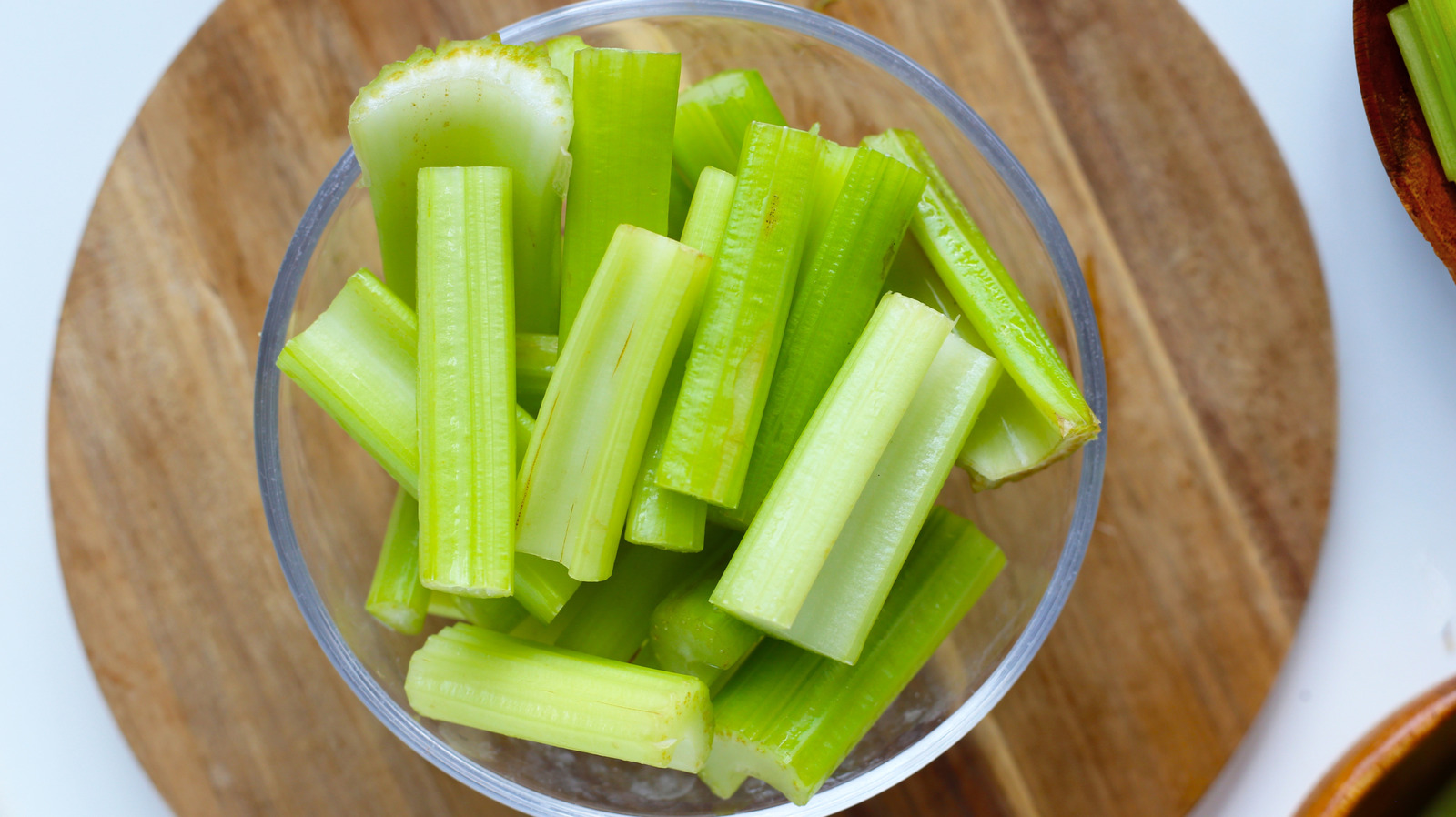
Social media creators have discovered a method to transform plain celery into an umami-rich snack that requires minimal ingredients. The technique taps into the savory depth that umami delivers, making raw celery far more interesting than the vegetable typically served as a crudité or thrown into soups.
Umami, the fifth taste alongside sweet, salty, sour, and bitter, comes from glutamates and nucleotides like glutamate and inosinate. Ingredients that deliver umami include aged cheeses, miso paste, soy sauce, fish sauce, mushroom powder, and cured meats. Applied to celery, these components coat the vegetable's natural bitterness and watery crunch with savory complexity.
The celery snack trend reflects a broader shift in how home cooks approach vegetables. Rather than relegating celery to the supporting cast in stocks or salads, creators are elevating it as a vehicle for bold flavors. This approach aligns with how professional chefs have long treated humble ingredients. A simple coating or dip transforms celery from forgettable to craveable.
The beauty of the trend lies in its accessibility. Celery costs pennies per stalk. Most umami ingredients sit already in pantries. Miso mixed with butter and spread onto celery requires two ingredients and five minutes. A dusting of furikake, the Japanese seasoning blend containing bonito flakes and nori, turns celery into a handheld snack that packs serious flavor.
This movement also speaks to sustainable eating. Celery's long shelf life and low cost make it economical compared to processed snacks. Using what people already buy reduces food waste while delivering nutrition. Celery provides fiber and vitamin K alongside the flavor boost.
The snack taps into the current food culture obsession with umami. Restaurants