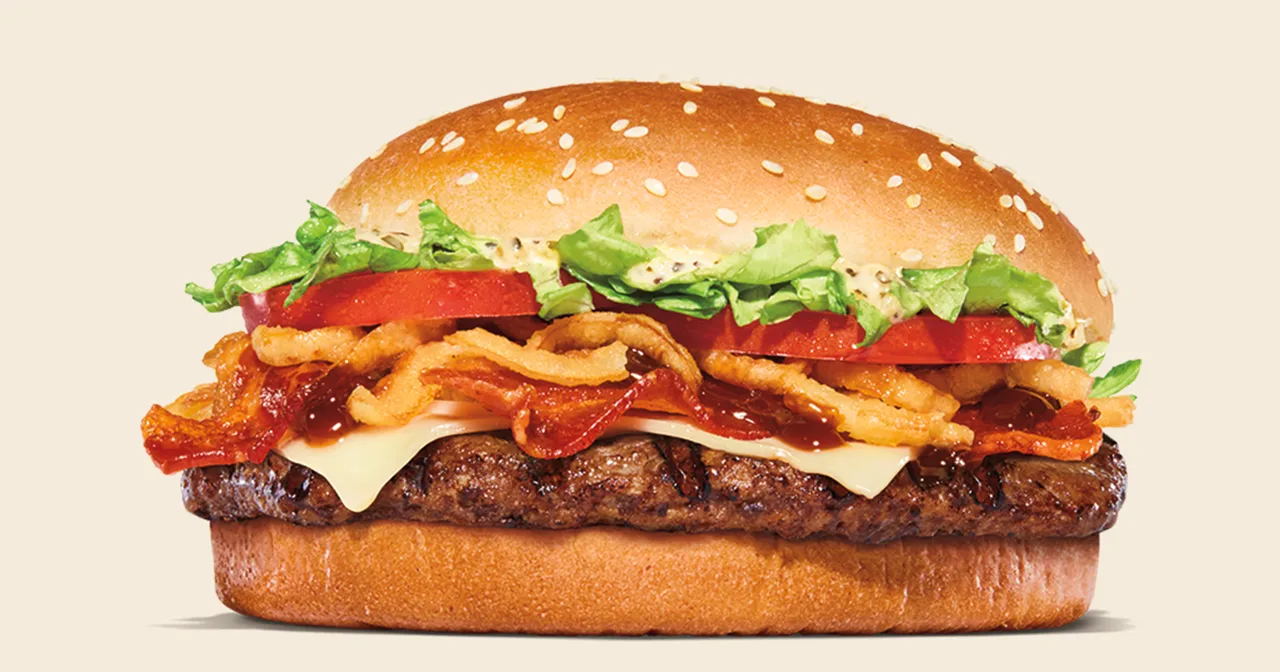
Restaurant chains have tripled their limited-time offers since 2019, responding to intense consumer demand for novelty and competitive pressure to drive traffic. The surge reflects a fundamental shift in how quick-service and casual dining operators compete for customer attention in a saturated market.
The data comes from Nation's Restaurant News tracking of major chains' promotional calendars. Restaurants launched far fewer LTOs five years ago, treating them as occasional events. Today, chains rotate seasonal items, celebrity collaborations, and regional exclusives in rapid succession to keep menus fresh and encourage repeat visits.
This acceleration serves a business purpose beyond novelty. Limited-time offerings create urgency that drives foot traffic during slower periods. They also generate social media buzz, particularly when chains partner with popular personalities or deploy eye-catching packaging. Taco Bell's Crunchwrap Supreme variations and McDonald's celebrity meal collaborations exemplify this strategy. Consumers actively seek out these items before they vanish, making LTOs a reliable traffic lever for operators.
The trend also reflects changing consumer behavior. Diners, particularly younger demographics, crave variety and view new menu items as entertainment value alongside nutrition and taste. Restaurants that fail to innovate risk appearing stale compared to competitors offering constant surprises.
The financial impact cuts both ways. LTOs increase sales during their availability window, but chains must manage supply chain complexity and production costs. Menu proliferation also complicates kitchen operations and staff training. Many operators now employ dedicated innovation teams to develop and test concepts before launch.
The triple-digit increase masks a brutal reality underneath. Chains with stronger marketing budgets and operational scale can execute LTOs effectively. Smaller independents lack the resources to compete at this level, accelerating consolidation in the industry. The relentless pursuit of novelty also raises questions about sustainability and food waste when items underperform.
Consumers benefit from choice