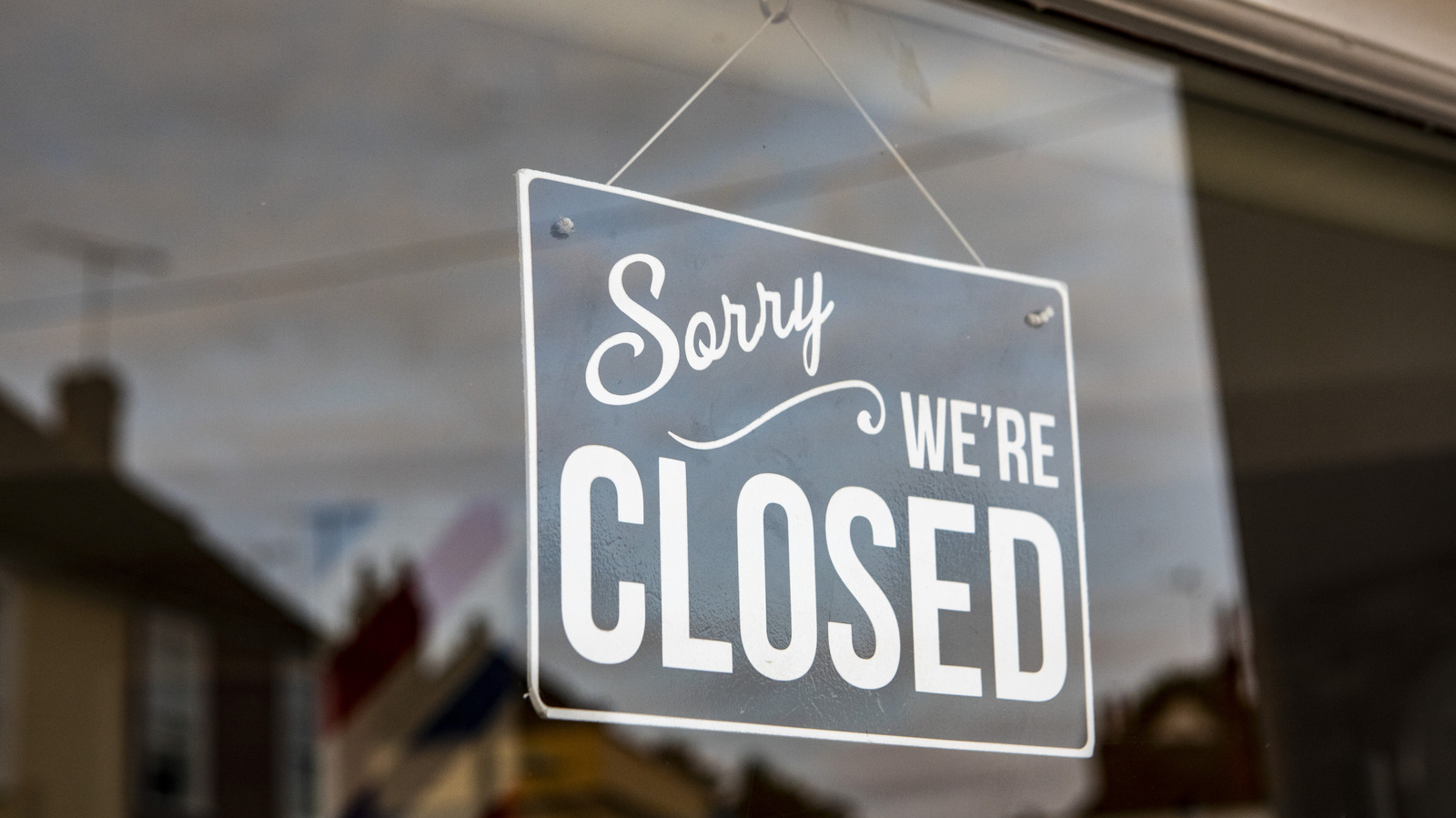
Restaurant chains across America face mounting pressures from labor costs, inflation, and changing consumer habits. Eight beloved names are pulling back their operations in 2026, signaling broader shifts in how casual dining survives in an uncertain economy.
The closures span fast food to fast casual segments, each chain responding to different market conditions. Some shuttered locations reflect underperformance in specific regions, while others represent strategic consolidation. Labor expenses remain a primary concern, with minimum wage increases and staffing shortages forcing chains to evaluate which locations remain profitable.
Consumer behavior has shifted dramatically since 2020. Remote work patterns changed foot traffic patterns in downtown areas. Delivery platforms cannibalized dine-in revenue for some concepts. Competition from ghost kitchens and delivery-only brands fractured the casual dining pie further.
The chains closing locations aren't struggling novelties. These are household names with decades of brand equity. Their pullbacks suggest that size and recognition no longer guarantee survival in the current environment. A chain with 500 locations nationwide still requires each unit to generate acceptable margins. When they don't, closure becomes inevitable.
Real estate costs compound the problem. Prime locations command premium rents, forcing chains to recalculate unit economics constantly. A location that thrived in 2018 may become uneconomical by 2026 despite similar traffic patterns, simply because landlords have raised lease rates or chains face higher operational overhead.
These closures don't mean the end of these brands. Most chains closing locations remain profitable overall. They're simply optimizing their footprints, exiting markets where they cannot compete effectively against local operators or other chains. This consolidation mirrors patterns seen in retail broadly. The age of aggressive expansion has ended. Sustainability now trumps growth.
For consumers, these closures create localized gaps in convenience and habit. Regulars lose their go-to spots. Employees face displacement.