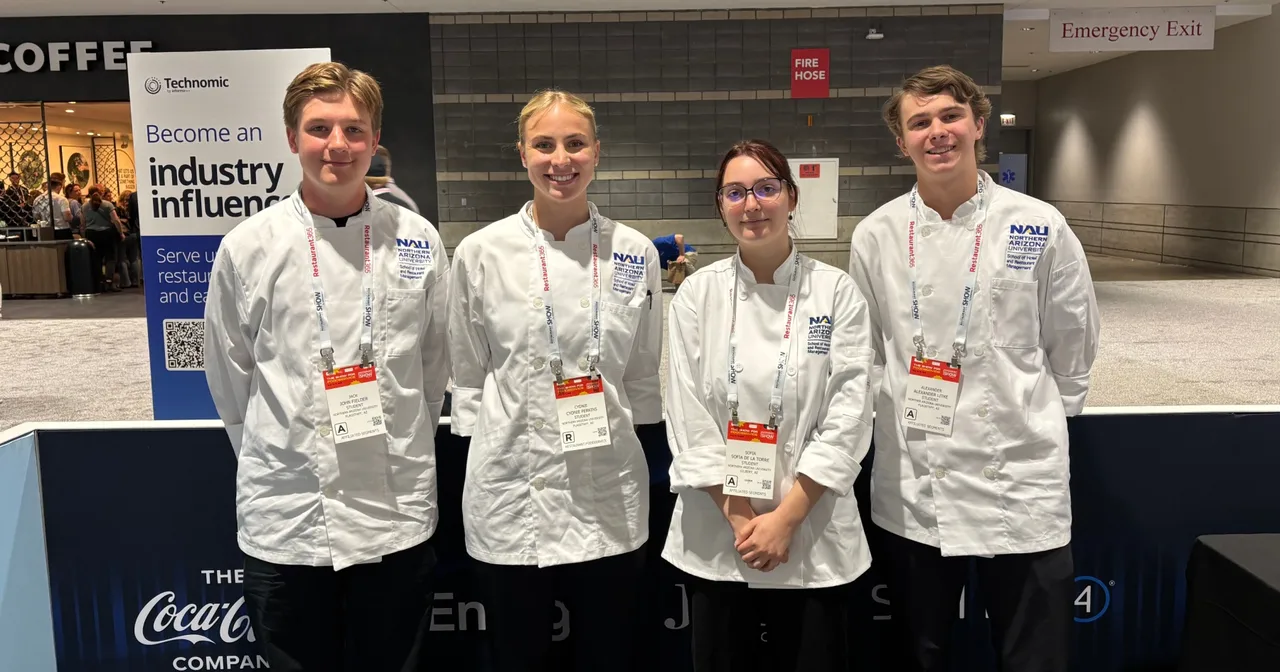
Culinary students at Northern Arizona University are reshaping their education to coexist with artificial intelligence rather than resist it. The shift reflects a broader reckoning in professional kitchens, where chefs recognize that certain workflows benefit from computational speed while others demand the irreplaceable touch of human hands and intuition.
Students use AI tools for menu engineering, recipe scaling, and inventory forecasting. These applications handle the computational grunt work that traditionally consumed hours of planning. Yet they remain adamant about preserving human judgment in plating, flavor development, and the creative decisions that separate competent cooking from memorable dishes.
The approach mirrors a pragmatic stance emerging across the culinary industry. AI excels at parsing dietary restrictions, managing supply chain logistics, and generating flavor combinations based on ingredient databases. It struggles with the subjective craft of seasoning to taste, the timing of a perfect sear, and the intuitive adjustments chefs make mid-service when improvisation matters.
Northern Arizona University's curriculum now integrates AI literacy alongside knife skills and sauce technique. Students learn to prompt generative tools effectively, interpret algorithmic suggestions critically, and know when to override machine recommendations. This hybrid model prepares graduates for kitchens that increasingly deploy AI in back-of-house operations while maintaining traditional techniques front-of-house.
The culinary education shift acknowledges a reality that restaurant operators already understand. Technology handles repetitive, data-heavy processes efficiently. The human element, refined through years of training and instinct, delivers the experiences diners actually seek. Young chefs entering the workforce will likely manage both.
This generation's advantage lies in learning these tools early, without the resistance that established chefs sometimes exhibit. They treat AI as infrastructure, not threat. The outcome suggests restaurants will stratify further. High-volume operations will leverage automation for consistency and cost control. Fine dining establishments will emphasize the human craft that remains impossible to replicate