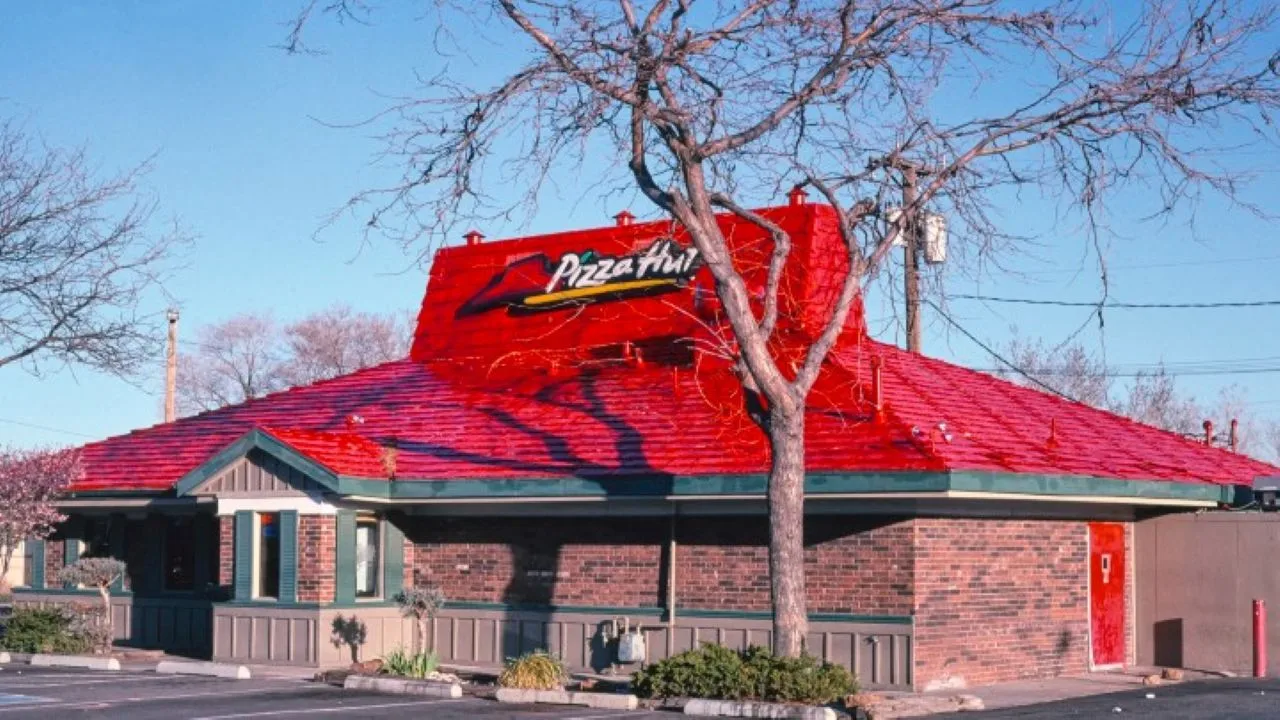
Pizza Hut is banking on nostalgia to reverse its decline. The chain operates nearly 155 locations across the United States featuring vintage design elements that harken back to the brand's heyday in the 1970s and 1980s, when the iconic red-roofed buildings became cultural landmarks.
These revamped restaurants include Tiffany-style lamps, full salad bars, and vintage arcade games, recreating the casual dining experience that once made Pizza Hut a destination rather than just a grab-and-go option. The red-roof aesthetic dominated American suburbs for decades, serving as gathering spots for families, dates, and celebrations. That architectural signature and interior design became synonymous with affordable indulgence and social occasions.
The nostalgic pivot reflects broader struggles in Pizza Hut's business. The chain has shed thousands of locations over the past two decades as consumer habits shifted toward delivery, faster casual concepts, and independent pizzerias. By 2023, Pizza Hut's U.S. footprint had contracted significantly from its peak of over 7,000 domestic restaurants.
This throwback strategy targets a specific demographic: millennial and Gen X diners who have positive memories attached to Pizza Hut's red-roof locations. The vintage arcade games appeal to younger audiences seeking Instagram-worthy experiences, while the salad bars address nostalgia for full-service casual dining that has largely disappeared from the American restaurant landscape.
Whether this approach gains traction remains uncertain. The retro positioning works for select brands like Shake Shack or Five Guys, which built their identity around premium quality from the start. Pizza Hut must convince consumers that nostalgia justifies visiting physical restaurants when delivery apps make ordering seamless.
The 155 locations represent a small fraction of Pizza Hut's remaining portfolio, suggesting this remains a limited test rather than