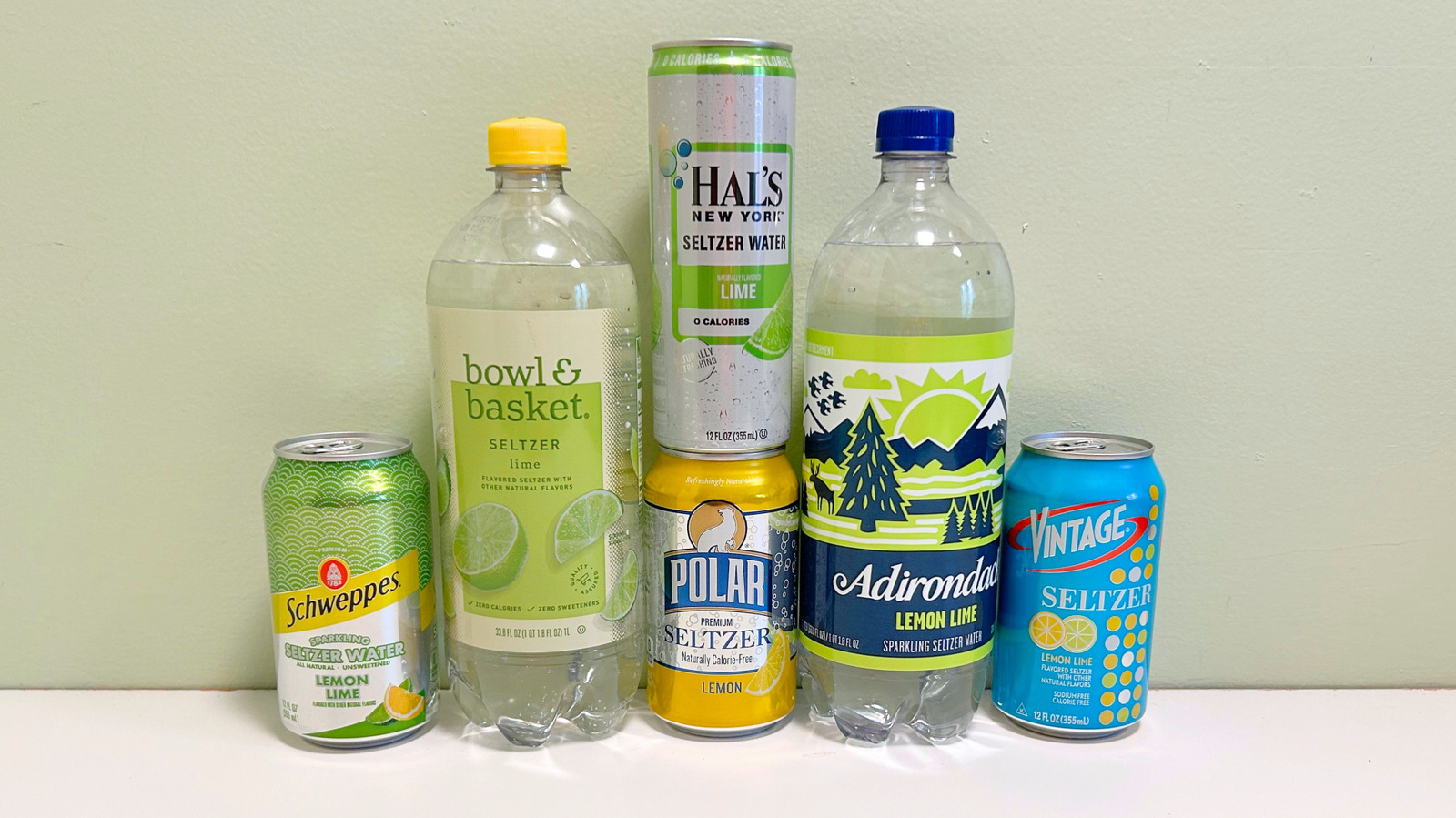
A blind taste test reveals what separates drinkable seltzer from the unpalatable. The Daily Meal evaluated six seltzer water brands to determine which ones deliver genuine refreshment and which ones struggle to justify shelf space.
The rankings expose how dramatically carbonation quality and mineral content vary across the category. Some brands produce aggressive, aggressive bubbles that fade within seconds, leaving a flat, mineral-forward finish. Others maintain consistent fizz and neutral taste profiles that make them genuinely pleasant to drink straight or with a splash of juice.
Seltzer's explosive growth over the past decade has created intense competition. LaCroix built a billion-dollar empire on flavored varieties, but plain seltzer represents a tougher test of a brand's core competency. When you strip away fruit essences and marketing, you're left evaluating pure carbonation engineering and water quality.
The tasting methodology matters here. Blind evaluation removes brand loyalty bias. Evaluators assessed carbonation persistence, mouthfeel, mineral taste, and overall drinkability. Some brands use sodium bicarbonate or potassium bicarbonate, which imparts subtle salty or mineral notes. Others achieve near-perfect neutrality through precise filtration.
Price points range from budget grocery store brands at under a dollar per can to premium options exceeding two dollars. The best performers don't necessarily cost the most. Mid-tier brands sometimes outperform expensive competitors by focusing on carbonation consistency rather than trendy packaging or celebrity endorsements.
This kind of comparative testing matters for everyday consumers. Seltzer consumption has replaced sugary sodas for millions seeking healthier beverages. Choosing a brand you'll actually enjoy drinking increases the odds you'll maintain the switch away from artificial sweeteners and empty calories.
The rankings provide concrete guidance for anyone tired of guessing which twelve-pack to buy. A seltzer that