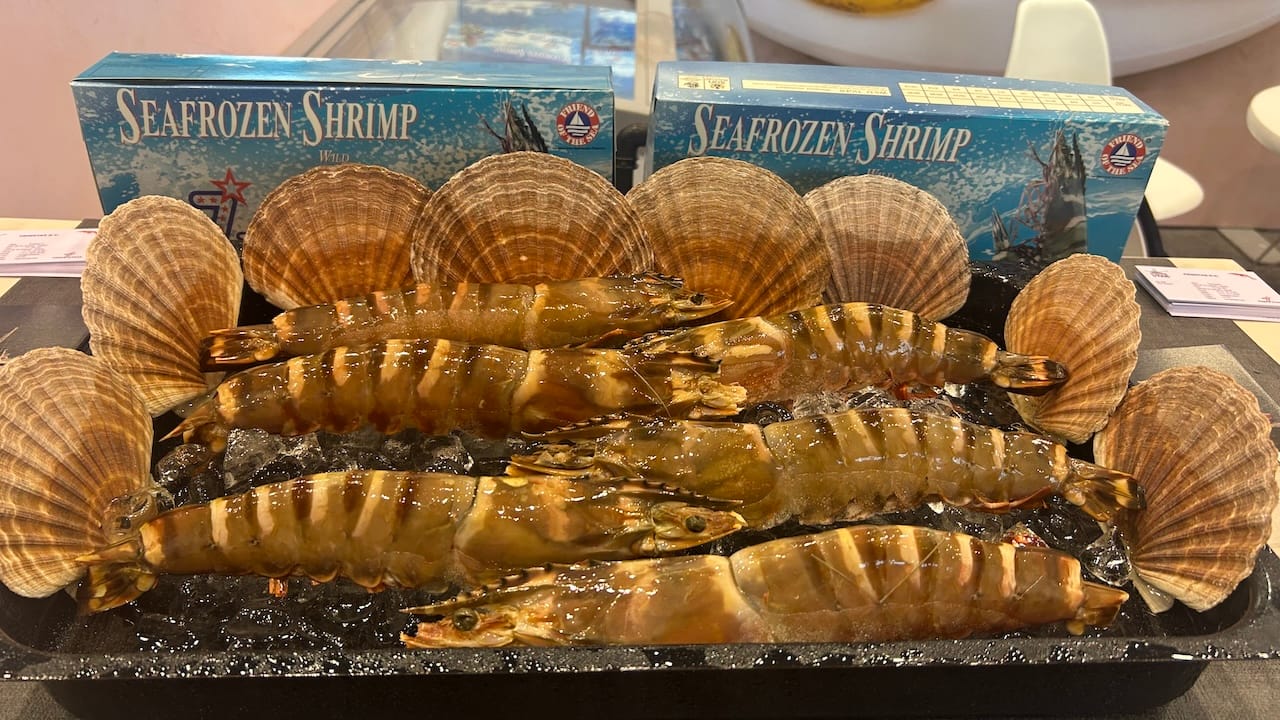
# 6 Protein Options at the National Restaurant Show
Protein dominated conversations at the National Restaurant Show, with vendors showcasing innovative ways restaurants can diversify their offerings beyond chicken breast and beef.
The display reflected a broader shift in American dining. Consumers now expect restaurants to feature alternative proteins alongside traditional options. This extends menus while addressing dietary preferences, environmental concerns, and supply chain vulnerabilities that plagued the industry during pandemic lockdowns.
Six standout protein categories emerged as frontrunners. Plant-based options continue gaining traction, with companies presenting refined versions of legume and soy-based products. Lab-grown meat technology attracted significant interest from forward-thinking operators willing to experiment with cultivated beef and chicken. Seafood alternatives addressed the growing appetite for sustainable fish replacements without environmental guilt.
Traditional proteins received innovation treatment too. Regenerative beef producers showcased grass-fed options commanding premium positioning. Heritage poultry breeds offered chefs distinctive flavor profiles unavailable from commodity suppliers. Insect proteins and mushroom-based meat analogs rounded out the field, appealing to adventurous operators targeting health-conscious diners.
The show underscored a market reality. Restaurants that limit themselves to single-protein strategies risk alienating segments of their customer base. Gen Z consumers particularly demand transparency about sourcing and environmental impact. Offering six or more protein options across a menu positions establishments as responsive to evolving tastes.
What struck many attendees was the maturity of these alternatives. Early plant-based products suffered from rubbery textures and artificial flavors. Current iterations show genuine culinary potential. Chefs reported using these proteins in ways that felt natural rather than gimmicky.
Supply resilience also matters. When poultry prices spike or beef becomes scarce, operators with established relationships across multiple protein sources weather disruptions more gracefully. The show made clear that protein diversity is