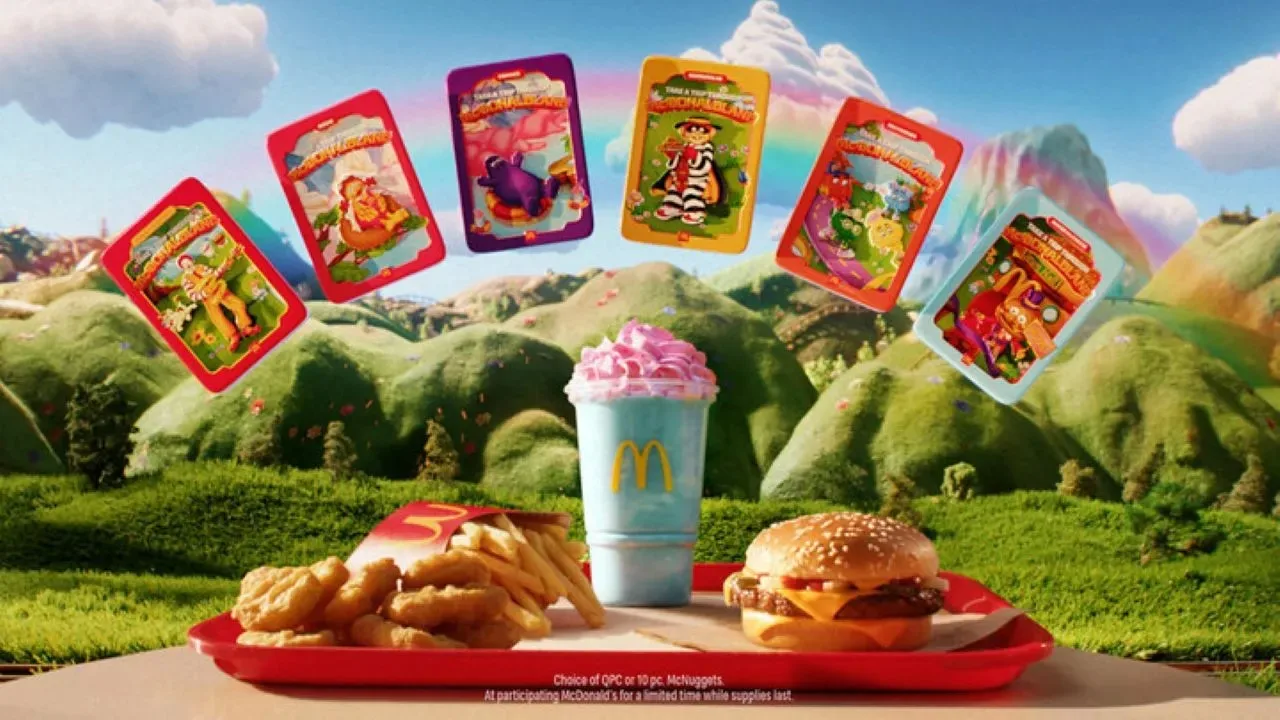
Burger chains cracked the growth code by doing two things simultaneously: they upgraded their fundamental menu items and launched limited-time offerings that tapped into cultural moments.
The strategy worked across the industry. Chains that overhauled their core burgers—improving beef quality, refining bun textures, enhancing toppings—gave customers reason to revisit familiar orders. Simultaneously, creative LTOs became conversation starters. These weren't random menu experiments. Successful chains aligned their limited offerings with what mattered to their customer base at that moment.
This dual approach addressed a core challenge facing burger restaurants. The burger itself, a commodity item that most Americans consider interchangeable, needed differentiation. By treating the core burger as a product worth investing in, chains signaled quality. Meanwhile, LTOs created urgency and novelty without requiring structural menu changes.
The payoff showed in sales data. Chains that committed to both upgrades and culturally relevant LTOs outperformed competitors who treated the burger as a static offering. Customers responded by visiting more frequently and spending more per transaction.
The lesson extends beyond burgers. It reveals how mature fast-casual and quick-service segments avoid commoditization. Excellence in your core product builds trust. Strategic innovation through limited offerings builds excitement. Together, they sustain growth.
Burger chains also benefited from supply chain stabilization and a post-pandemic willingness among consumers to trade up on price. But execution mattered most. The chains that succeeded understood their specific audience and what would resonate culturally, then delivered on both the basics and the surprises.