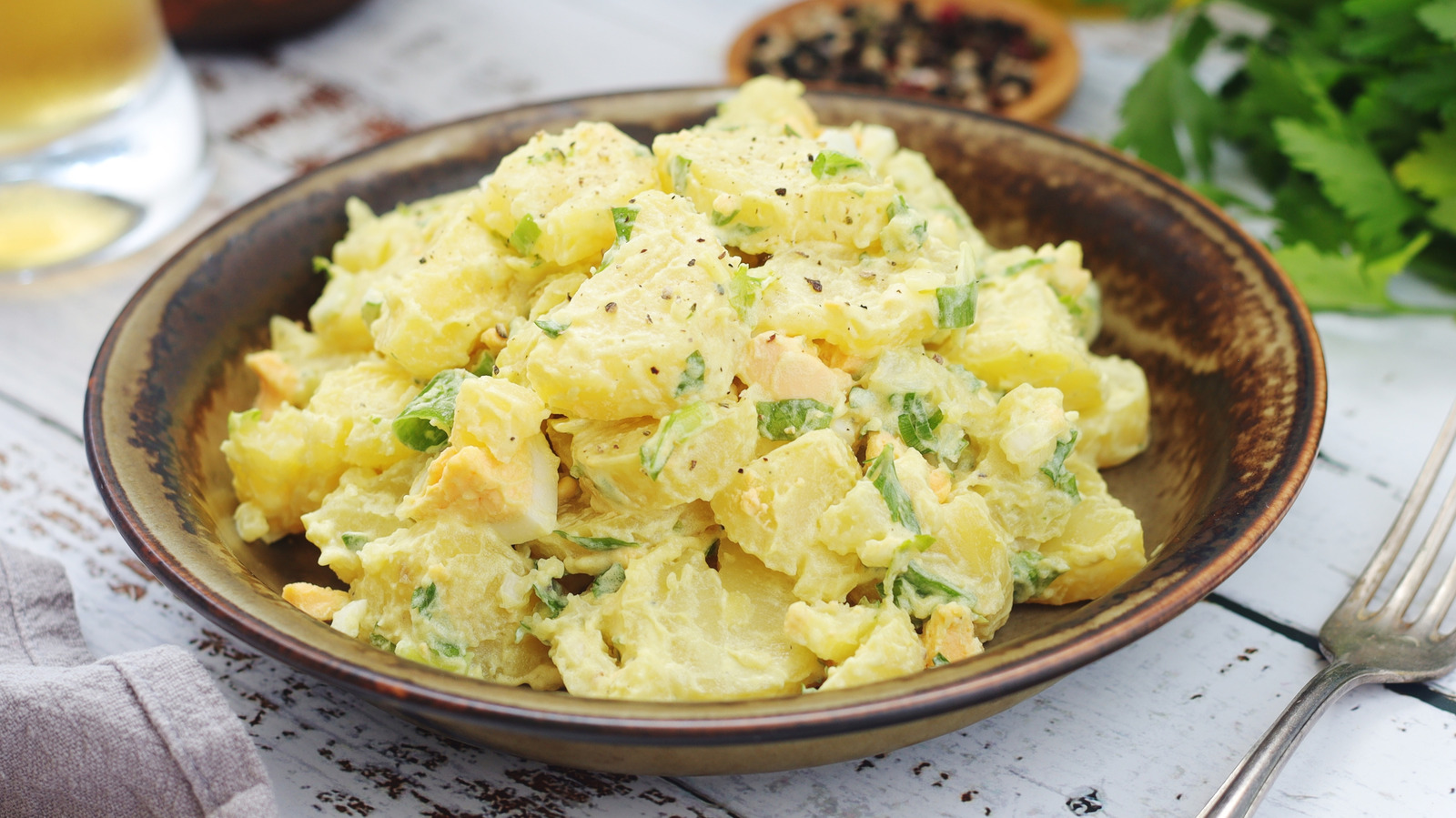
White vinegar stands as the superior choice for potato salad, delivering clean acidity that brightens the dish without overpowering potatoes' delicate flavor. The ingredient works best when added while potatoes are still warm, allowing starches to absorb the liquid and vinegar's tangy bite more effectively than cold potatoes ever could.
White vinegar's neutral profile makes it ideal for potato salad because it won't compete with mayonnaise, mustard, or fresh herbs commonly mixed into the dish. Apple cider vinegar, while popular in many cuisines, carries fruity notes that can muddy the salad's balance. Red wine vinegar introduces color and assertive tannins that clash with creamy dressings. Balsamic vinegar, dark and sweet, belongs nowhere near traditional potato salad.
The technique matters as much as the vinegar choice. Cooks should dress warm potatoes with a light vinegar solution, salt, and pepper before adding mayonnaise or other ingredients. This method allows potatoes to season from within rather than sitting on top in an oily coating. A ratio of roughly two tablespoons of white vinegar per pound of potatoes provides adequate acidity without leaving the salad tasting sharp or one-dimensional.
White vinegar's affordability and shelf stability make it practical for home cooks and restaurant kitchens alike. The ingredient costs pennies compared to specialty vinegars, yet delivers results that fancy alternatives cannot match. Professional chefs consistently return to white vinegar for potato salad because it performs reliably across batches and doesn't introduce unexpected flavor variables.
Temperature timing remains critical. Once potatoes cool completely, their cell structure firms up and resists liquid absorption. This is why restaurant kitchens dress potatoes immediately after cooking, while home cooks often make the mistake of waiting for salad components to cool before assembly. The difference