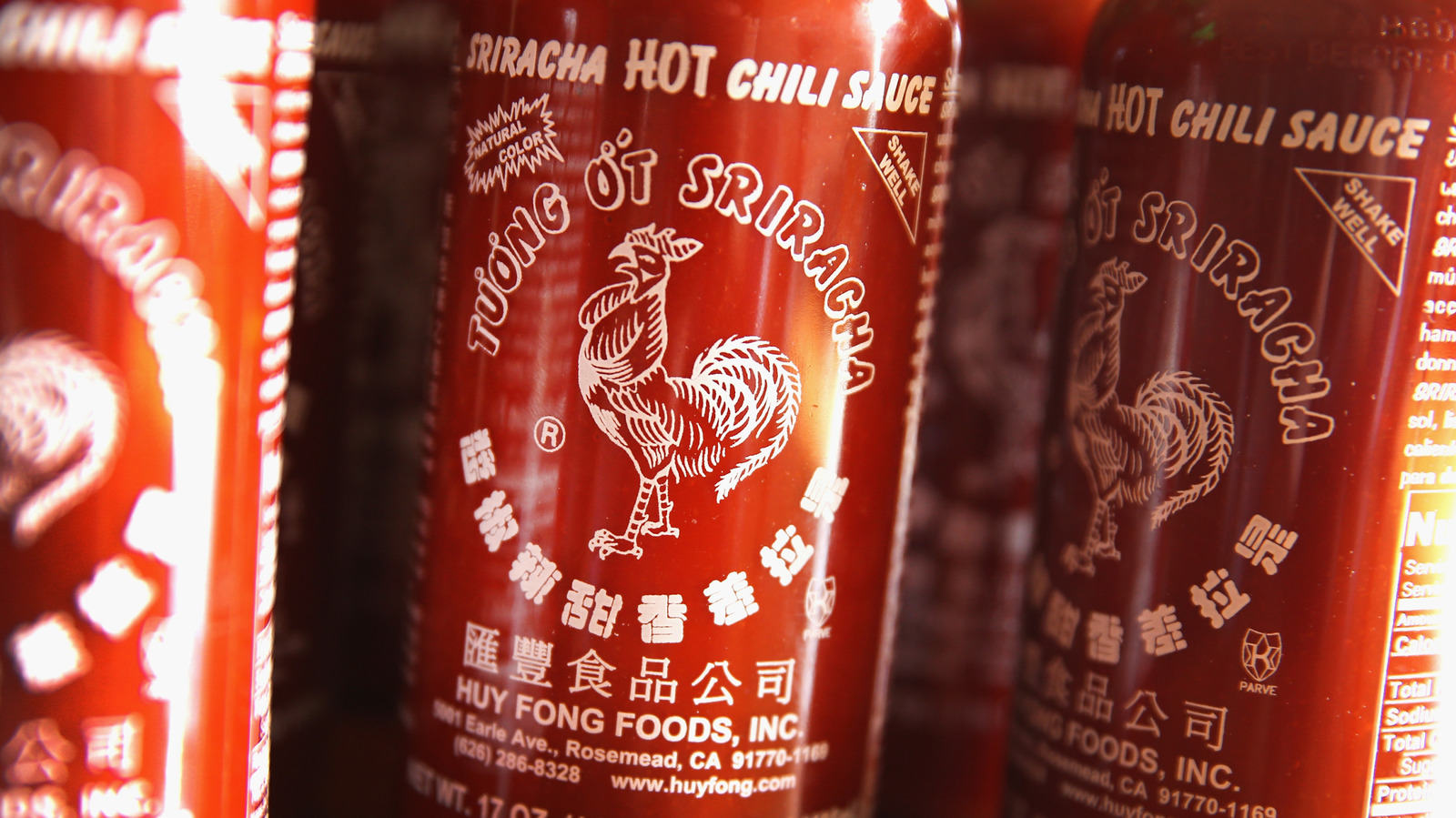
Sriracha dominates American condiment shelves in two distinct forms, each delivering different heat levels and flavor profiles that matter for how you cook and eat.
Red sriracha, the traditional Thai version most consumers encounter, uses ripe red chilis as its base. Brands like Huy Fong Foods pioneered the American market with their iconic rooster-emblazoned bottle. Red sriracha carries deeper, more complex heat with sweetness from the mature peppers and garlic. The fermentation process develops umami notes that work equally well as a finishing drizzle on eggs or mixed into mayo for sandwiches.
Green sriracha takes an entirely different approach by using unripe green chilis instead. This creates a brighter, fresher taste with sharper, more immediate heat. Green versions hit harder on the Scoville scale despite appearing milder at first glance. The herbaceous quality makes green sriracha excel in seafood dishes, curries, and with lighter proteins where you want aggressive spice without deeper caramelized notes.
The difference extends beyond flavor to application. Red sriracha's sweetness and complexity work as a standalone condiment or glaze. Chefs use it to balance rich dishes and add complexity. Green sriracha functions more as a heat agent, perfect for those who want pure capsicum punch without competing flavors. Thai restaurants traditionally favor green sriracha for certain dishes where the sauce should enhance rather than dominate.
Both contain similar base ingredients like chilis, garlic, vinegar, and salt, but ripeness fundamentally changes everything. The American market has embraced red as the default, creating a accessibility gap for green varieties outside specialty Asian markets. Yet adventurous cooks increasingly stock both. Understanding this distinction transforms how you build flavors in your kitchen. Choose red for complexity and sweetness, green for straightforward fire