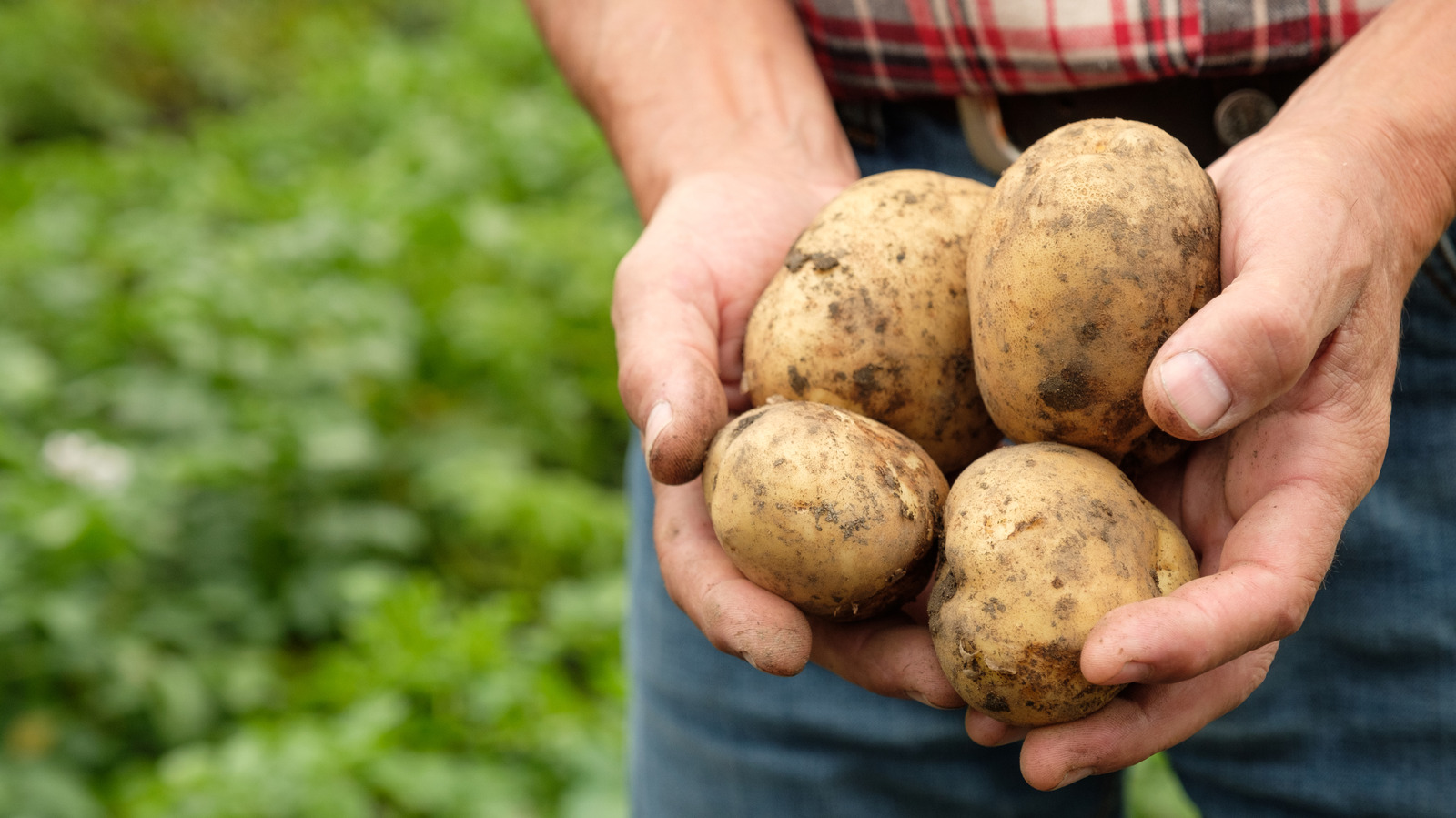
Container gardening opens potato cultivation to apartment dwellers, balcony farmers, and anyone lacking traditional garden space. Potatoes reward minimal effort with reliable harvests, making them ideal for beginners who want tangible results without extensive horticultural knowledge.
Growing potatoes in containers requires basic setup. Fill a pot or bag with loose, well-draining soil mixed with compost. Plant seed potatoes (small whole potatoes or potato pieces with at least two eyes) about four inches deep. Space them six inches apart if planting multiple pieces in one container. Water consistently but avoid waterlogging, which causes rot.
Container size matters. A five-gallon bucket works for one plant, while larger containers accommodate multiple potatoes. As potato plants grow, pile additional soil around the stems in a process called hilling. This encourages tubers to develop along the buried stem, multiplying your yield from a single planting hole.
Potatoes demand six to eight hours of direct sunlight daily. Position containers on south-facing patios or balconies for optimal light exposure. Feed plants every two weeks with balanced fertilizer once they reach six inches tall.
Harvest timing depends on potato variety and growing conditions, typically sixty to ninety days after planting. Container potatoes mature faster than ground-grown varieties due to warmer soil temperatures. Check readiness by gently probing soil with your fingers. Marble-sized new potatoes arrive first; leaving them longer produces larger tubers.
Container cultivation sidesteps many ground-level problems like soil compaction and pest infestation common in traditional gardens. You control soil composition entirely, ensuring ideal drainage and nutrient content. This method also eliminates extensive weeding and makes harvesting effortless. Simply dump the container and gather potatoes from the loose soil.
For kitchen gardeners wanting fresh potatoes without considerable space or experience, containers deliver impressive results.