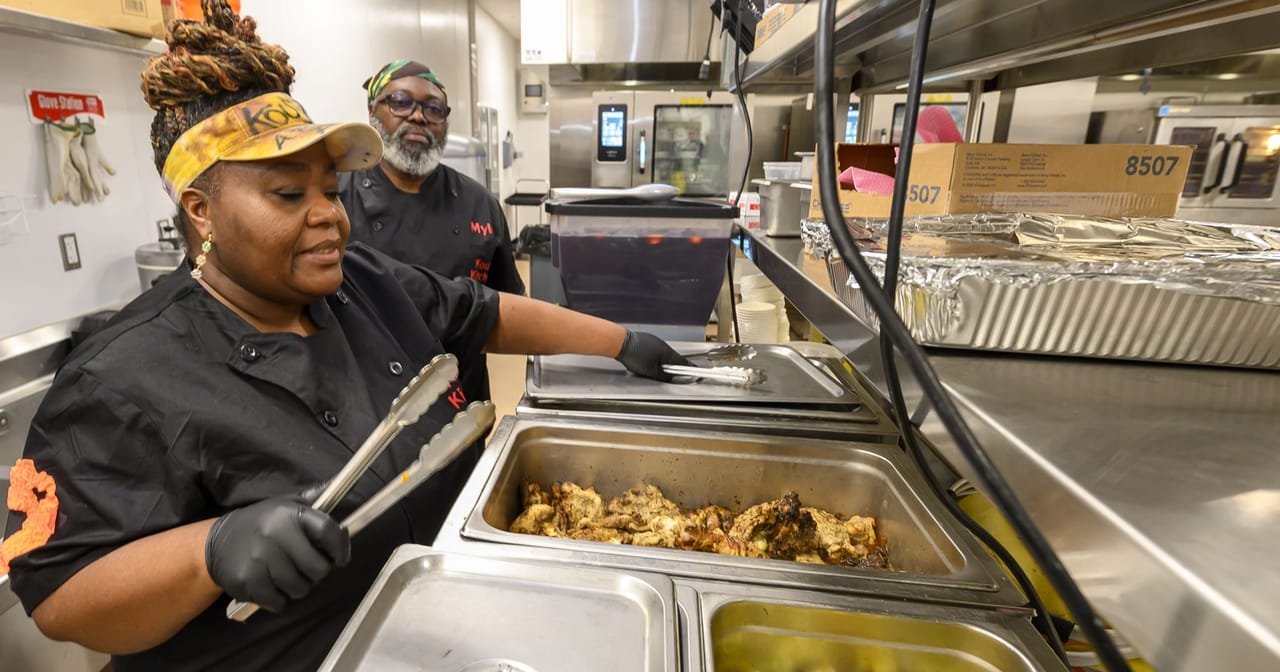
Lehigh University's new Clayton's Kitchen operates as a ghost kitchen with a rotating roster of local restaurant partners. The campus dining venue, situated inside the Clayton University Center, invites regional chefs and restaurant teams to operate weekly residencies, bringing their menus directly to students and staff.
The model addresses a persistent campus dining challenge: limited variety and limited connection to the broader food community. By hosting established local restaurants rather than relying solely on institutional food service, Clayton's Kitchen creates a pipeline between Bethlehem's restaurant scene and university customers. Students experience professional cooking from recognized chefs without leaving campus. Local restaurants gain access to a built-in customer base and test new concepts in a controlled environment.
Ghost kitchens, which operate without front-of-house dining rooms, have reshaped urban food businesses over the past five years. They lower overhead costs and reduce operational complexity. For Lehigh, the ghost kitchen format allows multiple restaurants to share one kitchen space through staggered scheduling, maximizing facility usage. Each weekly residency brings distinct culinary voices and menus, creating variety that traditional university dining cannot match.
The partnership benefits both sides. Restaurants gain marketing exposure and reach younger diners who might become loyal customers at their permanent locations. Lehigh gains authenticity and quality in its food programming, moving beyond the typical cycle of mass-produced campus meals. Students develop palates tied to real restaurant culture rather than standardized institutional food.
This strategy reflects broader trends in campus dining, where universities increasingly invest in elevated food experiences to attract and retain students. Premium dining concepts have become recruitment and retention tools. Clayton's Kitchen transforms a basic service function into a competitive advantage, positioning Lehigh as a school that values local food culture and community integration.
The weekly residency model also creates flexibility. If a restaurant partnership underperforms, Lehigh simply adjusts its schedule. If a concept thrives, the university