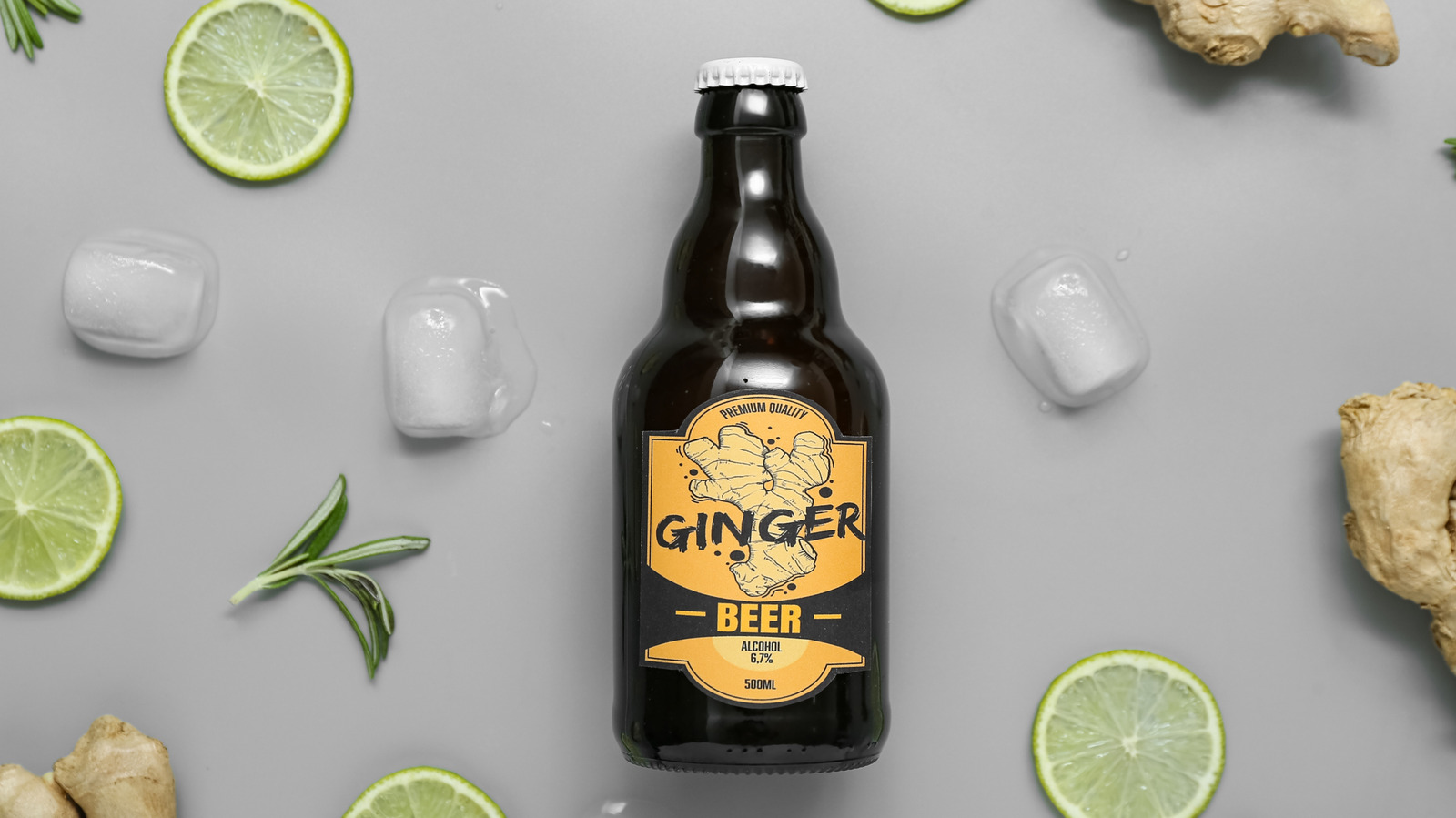
Ginger beer has emerged as a bartender's secret weapon for crafting balanced, flavorful cocktails that bridge sweet, spicy, and spirit-forward profiles. The mixer's peppery bite and natural sweetness play well with a range of spirits, creating drinks that feel both approachable and sophisticated.
Tequila stands out as a natural pairing. The agave spirit's earthy undertones complement ginger beer's heat, producing cocktails like the Ginger Beer Margarita that feel lighter than their traditional counterparts. Gin works equally well, with its botanical complexity cutting through the mixer's sweetness while the ginger adds depth to classics like the Dark and Stormy variant.
Vodka remains the safest choice for bartenders seeking to highlight ginger beer's flavors without competing aromatics. Rum, particularly spiced varieties, creates drinks with Caribbean flair. Whiskey drinkers find the mixer mellows the spirit's sharper notes while adding complexity. Dark spirits like brandy and cognac gain warmth from ginger's natural spice, while mezcal's smokiness offers an intriguing contrast to the mixer's brightness.
The resurgence of ginger beer in craft cocktail culture reflects broader shifts in how bartenders approach balance. Rather than masking spirits with heavy syrups, they're leveraging ginger beer's natural structure. The mixer contains real ginger, carbonation, and carefully calibrated sweetness. This makes it far superior to simple syrup-based approaches, allowing the base spirit's character to shine.
Home bartenders should source quality ginger beer with genuine ginger content. Brands using actual ginger root rather than flavoring agents deliver noticeably superior results. The mixer's intensity varies between producers, so experimentation matters when building recipes.
Whether mixing a simple two-ingredient highball or layering