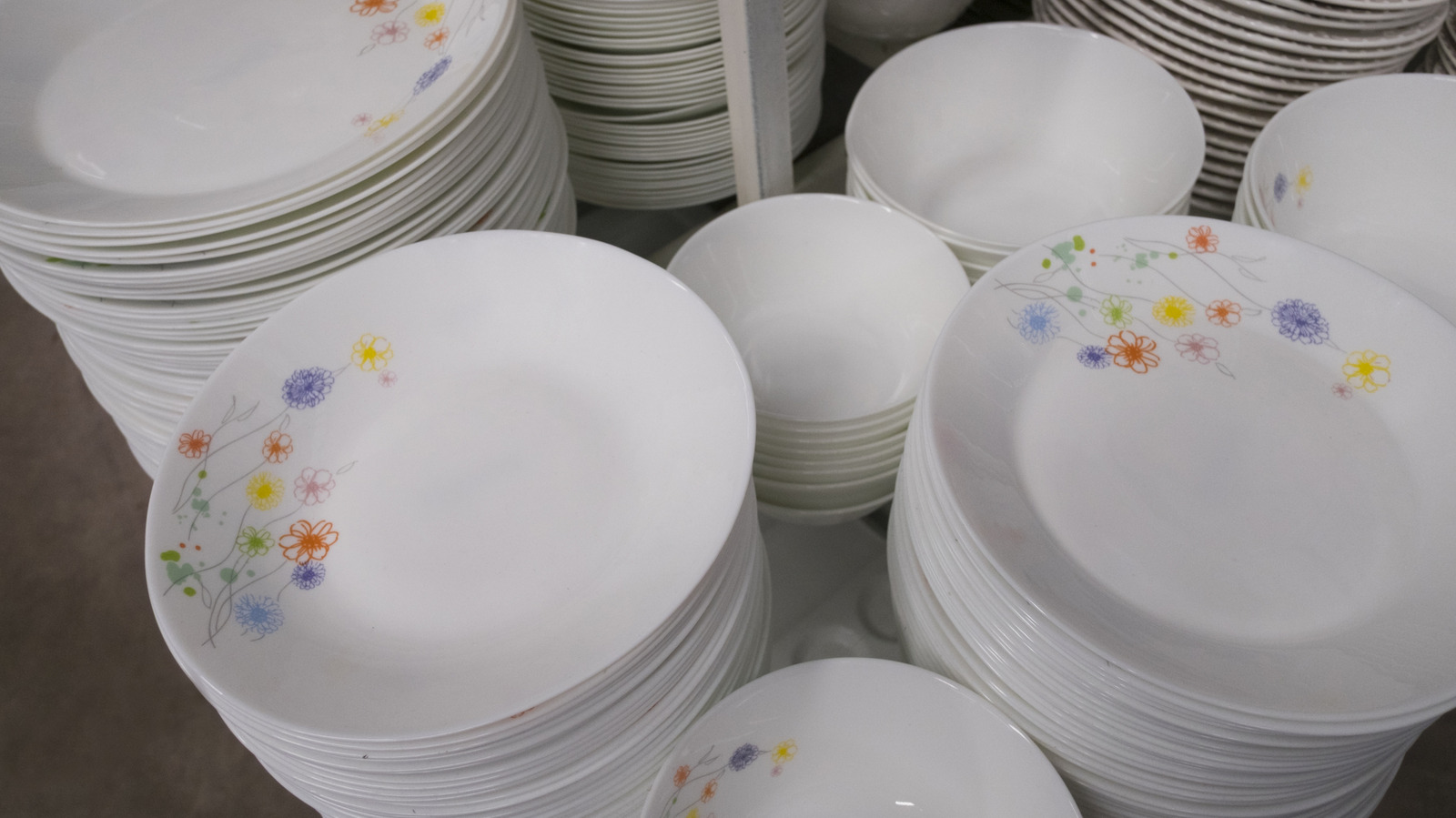
Vintage Corelle dishware poses a serious health risk that collectors and thrift shoppers need to know about. Some older pieces manufactured by the Corelle brand contain dangerous levels of lead and cadmium in their glazes and decorative patterns.
The problem stems from manufacturing practices that predate strict FDA regulations on dinnerware. Corelle produced many patterns throughout the 1970s and 1980s using paint formulations that included heavy metals. When food or acidic beverages sit on these plates, the glaze can leach toxic compounds directly onto what you're eating or drinking.
Lead exposure causes neurological damage, developmental delays in children, and organ failure with chronic use. Cadmium accumulates in the body and triggers kidney disease and bone deterioration. Even brief contact with hot or acidic foods accelerates the leaching process, making vintage Corelle particularly risky for daily use.
The vintage appeal of Corelle dishware, with its distinctive floral and geometric patterns, has driven demand among antique collectors. Thrift stores and online marketplaces regularly stock these pieces, often without disclosure of their composition. Many consumers inherit vintage Corelle sets without understanding the dangers.
Testing agencies have detected lead concentrations exceeding safe limits in numerous vintage Corelle patterns. The company stopped using these problematic glazes decades ago, but millions of pieces remain in circulation in American homes.
Collectors who own vintage Corelle should treat these pieces as decorative only. Displaying them on shelves poses no risk. Using them for food storage or serving requires caution. Professional lead testing kits exist, though most vintage Corelle from suspect decades should be presumed unsafe.
New Corelle products meet modern safety standards and pose no danger. The vintage versions serve as a reminder that manufacturing safety regulations exist for reason. Beautiful dishware matters less than protecting your family's health.