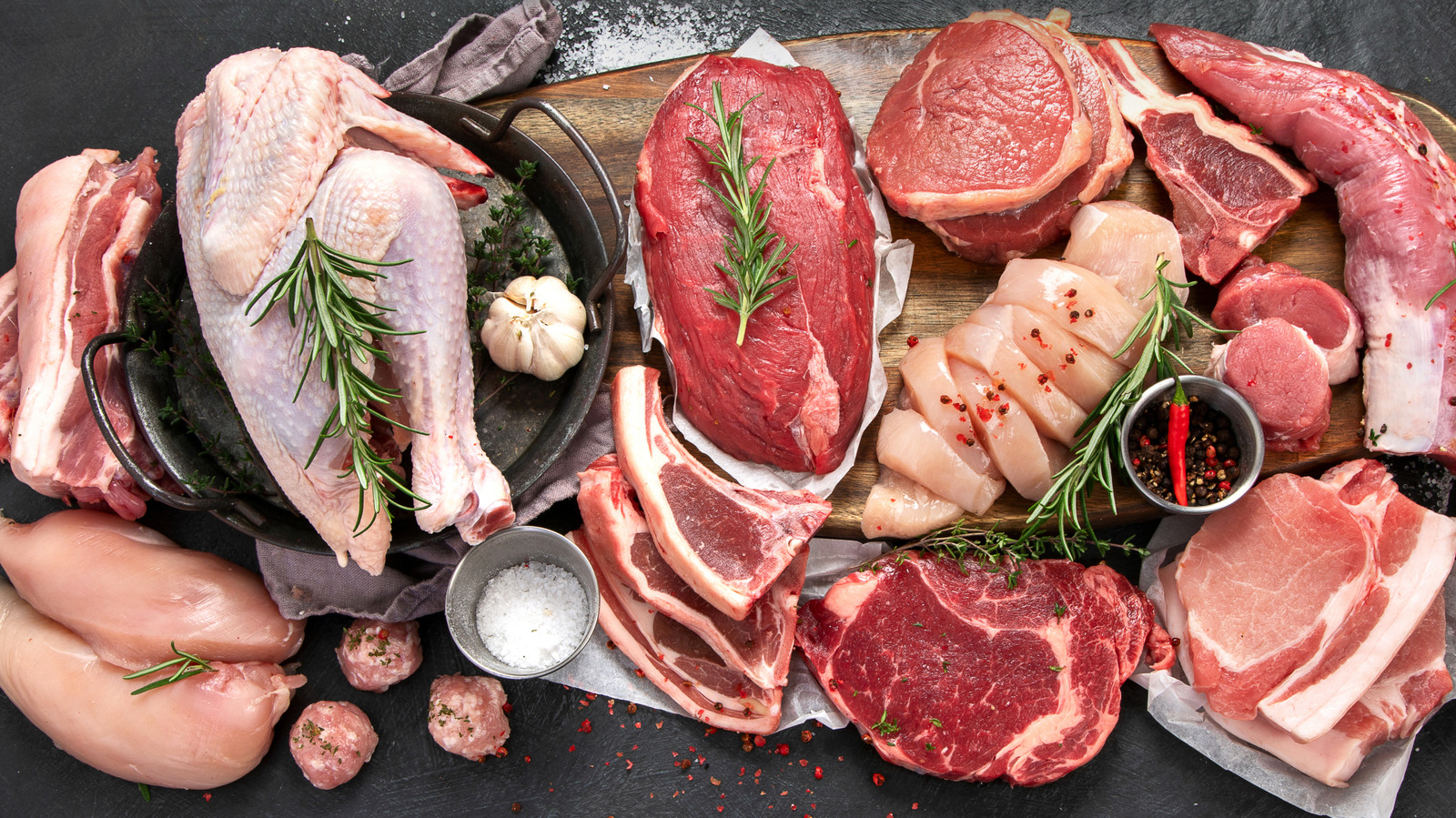
Chicken dominates protein conversations, but four meats pack more punch per serving. Lean beef cuts, particularly sirloin and tenderloin, deliver roughly 26-27 grams of protein per 3.5-ounce portion, edging past chicken's standard 25-26 grams. Turkey breast rivals these numbers, offering comparable protein density when prepared without skin.
Pork tenderloin emerges as an underrated contender. This cut contains approximately 27 grams of protein per serving, matching premium beef while remaining more affordable and versatile in the kitchen. Chefs prize pork tenderloin for its mild flavor and quick cooking time, making it accessible for weeknight dinners.
Game meats round out the list. Venison and bison contain 26-28 grams of protein per portion, plus they carry additional nutritional advantages. Both deliver higher iron content than conventional poultry and leaner fat profiles than many beef options. Bison, increasingly available in mainstream supermarkets and specialty butchers, offers a richer flavor while maintaining leanness.
The protein myth persists partly because chicken breast became synonymous with bodybuilding culture and fitness trends over the past two decades. Its ubiquity in meal-prep guides cemented its reputation. Yet nutritionists confirm that protein content varies significantly by cut and preparation method. A skin-on chicken thigh actually contains less protein than skinless sirloin.
This finding reshapes protein strategy for home cooks and athletes alike. Rotating between these options prevents palate fatigue while maintaining nutritional goals. Pork tenderloin's lower cost per gram of protein makes it budget-friendly. Bison's leaner profile appeals to those monitoring saturated fat intake.
The takeaway challenges decades of fitness dogma. Protein sources extend well beyond the chicken breast, offering greater