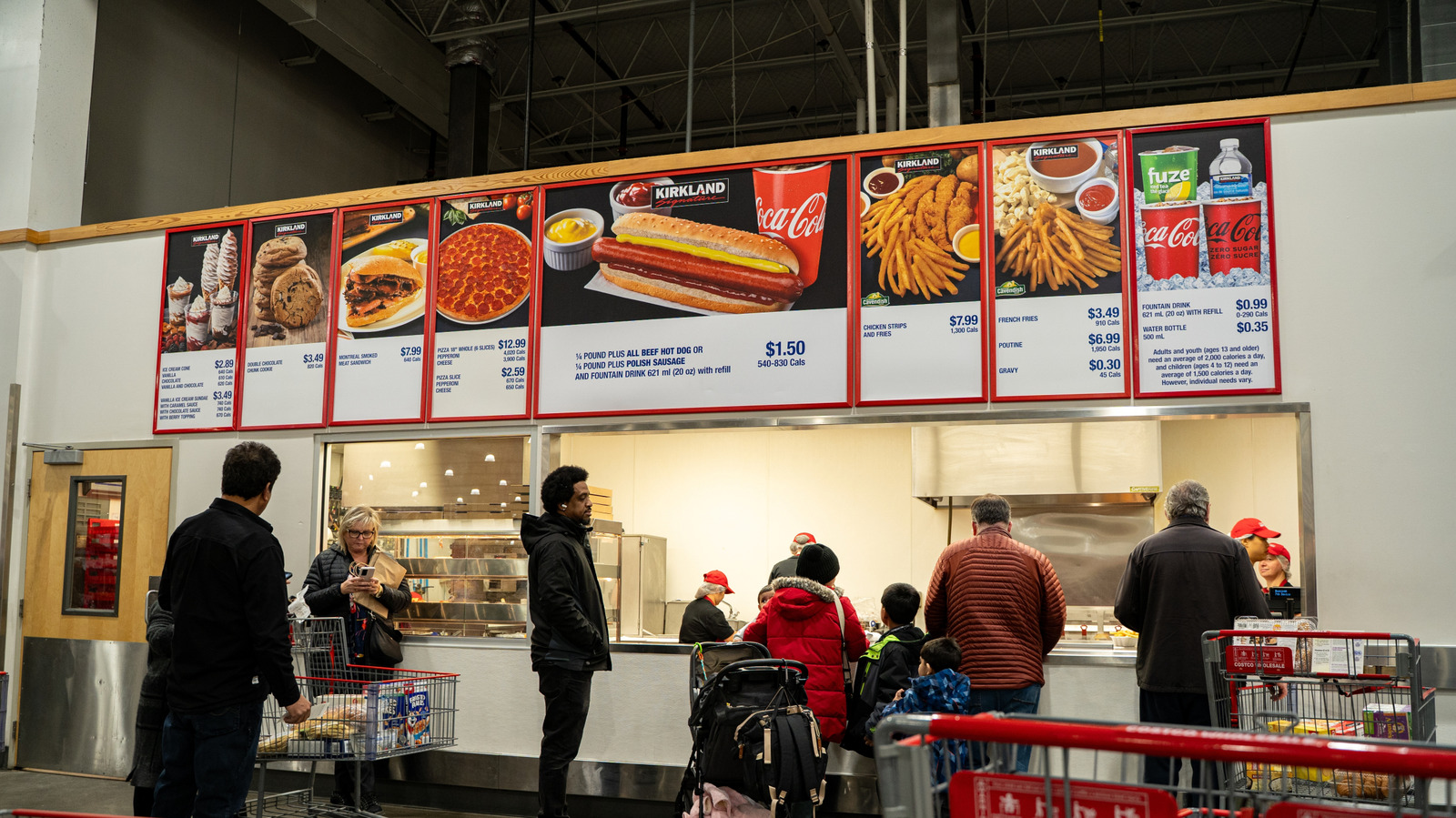
Costco expanded its food court menu in a specific U.S. city with a new item, capitalizing on the warehouse chain's reputation for beloved affordable dining options. The food court has become a destination within Costco stores, drawing shoppers who view the discounted menu as part of the membership value proposition.
Costco maintains tight control over its food court offerings, keeping prices stable and selection limited across most locations. The chain's $1.50 hot dog combo has remained unchanged since 1985, a commitment that founder Jim Sinegal made and current CEO Craig Jelinek has upheld. This philosophy extends to the broader food court menu, where items like pizza, churros, and chicken bakes serve as loss leaders designed to keep members loyal.
When Costco introduces regional menu variations, it signals either local demand or a test run for potential chain-wide rollout. The new item in this particular city reflects the company's willingness to experiment while maintaining its signature low-price strategy. Food courts generate significant foot traffic that extends shopping trips and increases basket sizes, making the modest food court investment worth the operational cost.
The addition underscores how warehouse clubs compete beyond merchandise. While Amazon threatens Costco's retail dominance, the physical food court experience remains uniquely valuable. Members value the tactile, affordable dining experience as much as bulk toilet paper purchases.
Costco's food court strategy balances innovation with consistency. Introducing location-specific items tests customer preferences without diluting the brand promise of everyday affordability. Each new menu addition requires kitchen infrastructure, staff training, and supply chain coordination across the warehouse network.
The new menu item reflects broader trends in foodservice. Consumers increasingly expect personalization and variety, even from value retailers. Costco's selective regional testing approach lets the company respond to local tastes while preserving operational efficiency and the membership value proposition that drives renewals.
THE