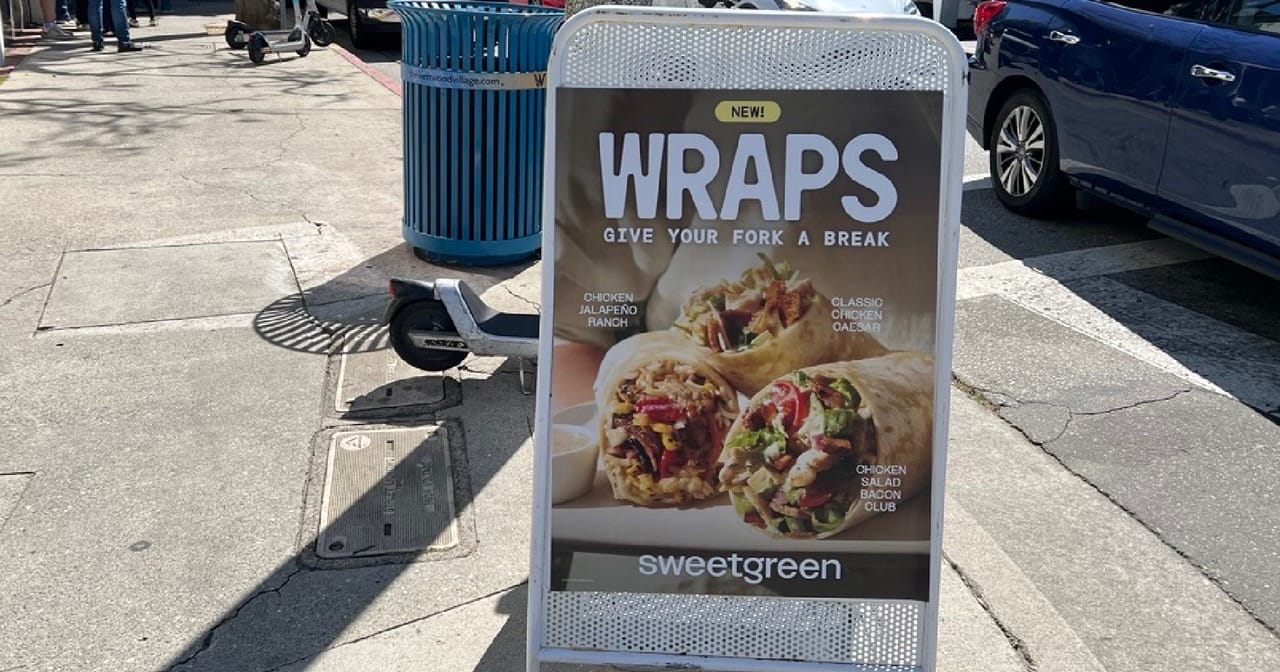
Sweetgreen's same-store sales tumbled to the worst level since going public, a stark indicator of the fast-casual salad chain's struggles in a brutally competitive market. The decline arrived despite CEO Jonathan Neman's turnaround efforts, which include streamlining operations and launching a new wraps category to capture customers seeking alternatives to salads.
The chain faces headwinds from inflation-weary consumers pulling back on discretionary spending at premium-priced restaurants. Sweetgreen's fresh-focused model, which commands higher price points than traditional quick-service chains, has lost appeal as diners prioritize value. The first-quarter performance underscores a broader challenge facing fast-casual operators caught between QSR affordability and full-service restaurant experiences.
Yet Neman identified "green shoots" within the downturn. The wraps rollout represents a strategic pivot to broaden Sweetgreen's menu beyond its salad-centric identity. This move targets customers who view salads as lighter fare and capitalizes on the enduring popularity of handheld wraps across the casual dining landscape. If executed well, wraps could restore frequency among lapsed customers and attract new demographics.
The turnaround plan encompasses operational efficiency gains, likely through labor optimization and supply chain refinements that protect margins during a period of elevated food costs. These moves suggest Neman recognizes that Sweetgreen cannot simply price its way out of this downturn.
The path forward hinges on execution. Wraps adoption must convert to traffic growth, not simply cannibalize existing salad sales. Consumer sentiment toward fast-casual dining remains uncertain as inflation persists and recession fears linger. Sweetgreen must demonstrate that its expanded menu and operational improvements genuinely resonate with customers rather than merely stall further deterioration.
For investors and competitors, Sweetgreen's struggle illustrates the precarious position