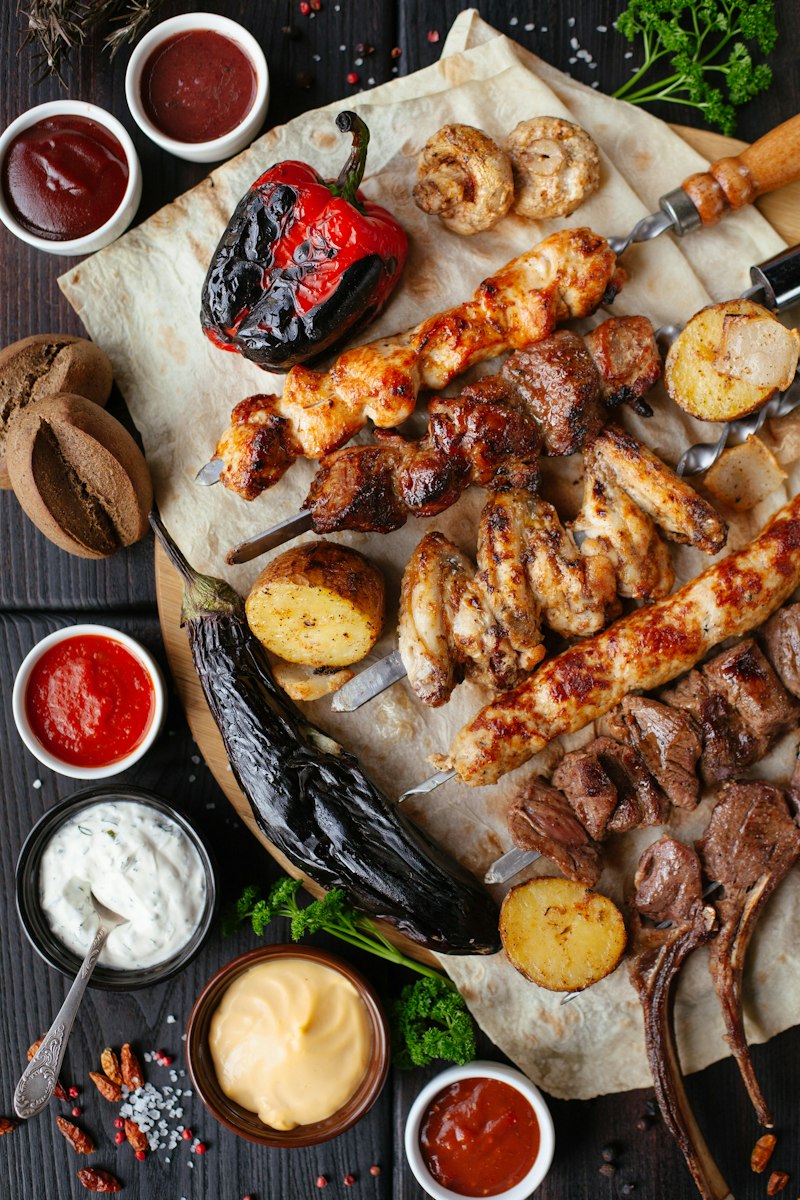
Water beats oil and butter for cooking mushrooms, according to culinary experts at The Kitchn. This method challenges decades of conventional wisdom that treated fat as essential for developing flavor and texture in fungi.
The water-cooking technique works because mushrooms contain up to 90 percent water themselves. When cooked in water rather than oil, they release their natural umami compounds more effectively. The moisture allows mushrooms to steam gently, concentrating their earthy flavors while maintaining a tender bite. Excess water evaporates during cooking, leaving behind intensified taste.
Chefs appreciate this method for practical reasons. It requires no added fat, making dishes lighter and suitable for plant-based diets. The technique also prevents mushrooms from absorbing excessive oil, which can mask their delicate taste profile. Home cooks find it simpler and faster than monitoring hot oil temperatures or managing butter burn.
The process involves placing fresh mushrooms in a dry pan over medium-high heat. As they release moisture, that liquid cooks them through. Once the water evaporates after about five to ten minutes, mushrooms develop a slightly caramelized exterior. At this point, cooks can add a small amount of oil for finishing if desired, but it remains optional.
This approach works across mushroom varieties. Cremini, portobello, button, and specialty mushrooms like oyster or shiitake all respond well to water cooking. The method preserves their individual flavor profiles without the homogenizing effect that heavy oil applications create.
Food scientists note this aligns with emerging understanding of how cooking methods affect nutrient retention. Water cooking preserves heat-sensitive compounds better than high-heat oil cooking does. Mushrooms also contain compounds like ergothioneine that benefit from gentler preparation.
The shift represents a broader trend toward simplifying cooking techniques while improving nutritional outcomes. Rather than relying on fat