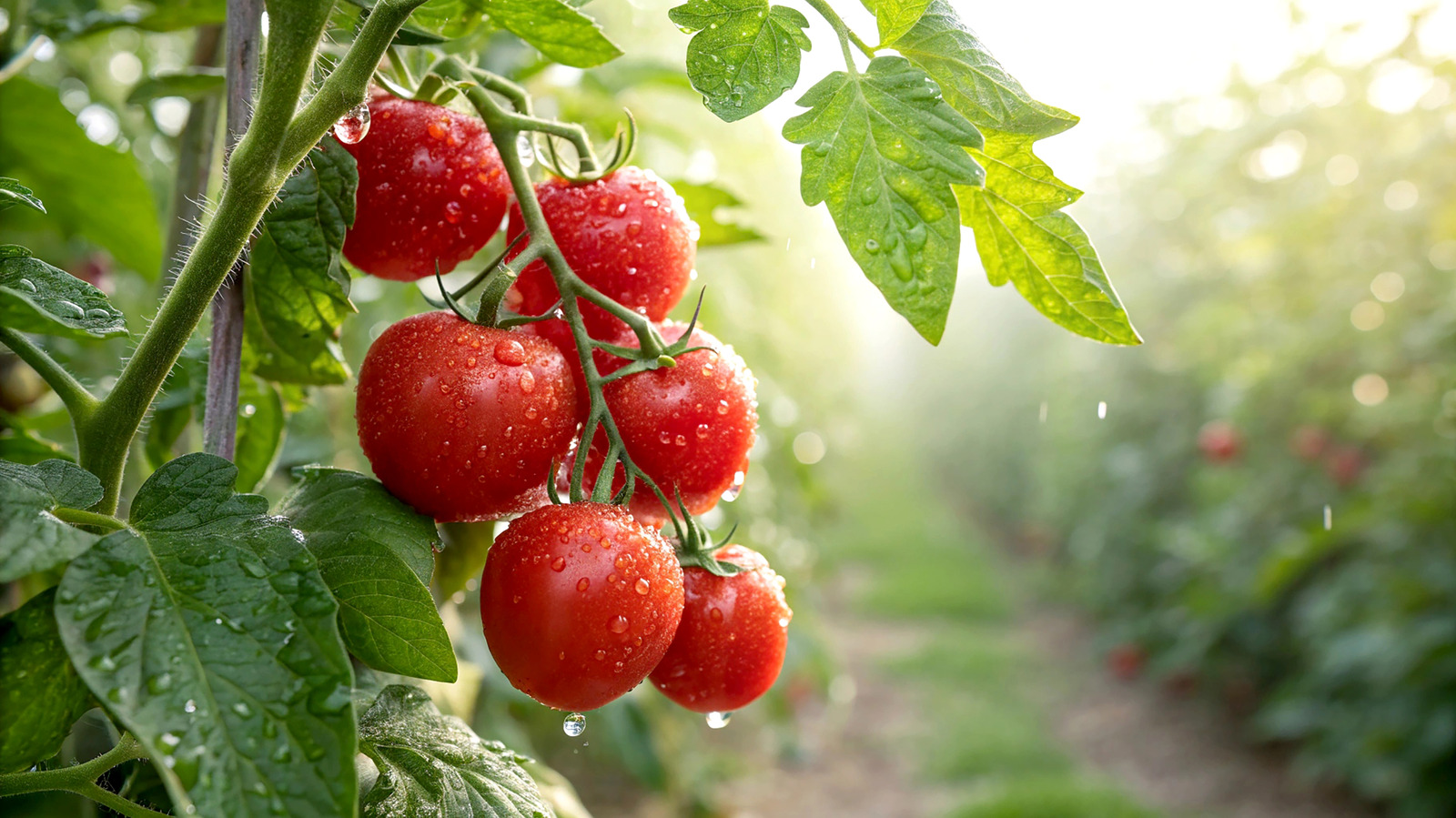
Home gardeners looking to maximize tomato yields now have a simple solution. Using natural fertilizers produces juicier, more flavorful fruit than synthetic alternatives, and the best option costs nothing if you compost at home.
Organic matter like finished compost delivers nitrogen, phosphorus, and potassium directly to soil while improving its structure. Coffee grounds, crushed eggshells, and grass clippings all work as excellent nutrient sources. These amendments build microbial life in the soil, creating conditions where tomato plants absorb nutrients more efficiently.
The approach differs sharply from chemical fertilizers, which deliver quick nutrient spikes but deplete soil over time. Natural fertilizers release nutrients slowly as organic material breaks down, feeding plants steadily throughout the growing season. This sustained nutrition produces sweeter, denser tomatoes with better texture.
Application timing matters. Work compost into beds before planting, then top-dress around the base of established plants every four weeks. For container growing, mix compost into potting soil at a ratio of one part compost to three parts soil. Water well after feeding.
Tomatoes thrive in warm soil rich with organic material. Adding compost also improves water retention, reducing irrigation needs during dry spells. In regions with poor native soil, building fertility through natural fertilizers often outperforms expensive supplements.
Home gardeners who start composting discover another benefit. Kitchen scraps and yard waste transform into black gold over months, creating a closed-loop system that reduces waste while feeding gardens. Many growers report their best harvests come in years two and three, once soil biology fully establishes.
THE TAKEAWAY: Natural fertilizers transform homegrown tomatoes into superior fruit while building soil health that pays dividends for seasons to come.