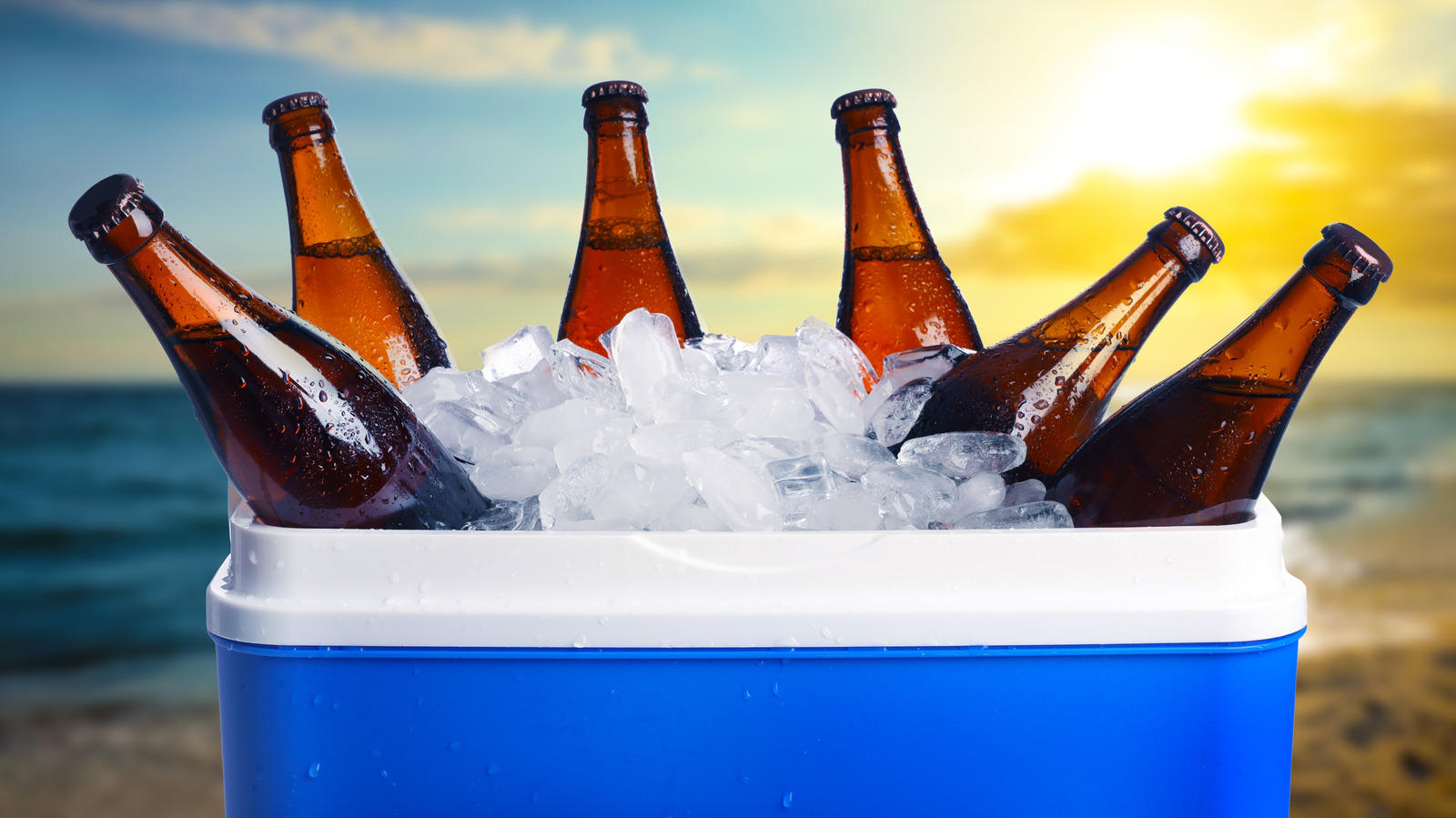
Temperature swings damage beer's flavor profile far more than a single sustained warm period does. Brewers and beer scientists confirm that repeated heating and cooling cycles break down hop compounds and accelerate oxidation, turning fresh IPAs stale and degrading the delicate balance craft brewers work months to achieve.
A beer stored consistently at 55 degrees Fahrenheit tastes dramatically better than one subjected to temperature yo-yoing between a warm car trunk and a cold fridge. The freeze-thaw cycle creates expansion stress on the liquid itself, damaging cellular structures and volatile aromatic compounds that define a beer's character. Hops oxidize faster under thermal stress. Malt flavors flatten. That crisp finish turns dull.
Context matters for beer style. Lagers, which brewers ferment cool, suffer most from temperature instability. They're engineered for cold storage and crack under thermal punishment. Barrel-aged stouts and imperial IPAs show more resilience since higher alcohol content acts as a preservative. A 10 percent ABV beer handles temperature fluctuation better than a delicate 4 percent pale ale.
Consistency beats perfection. A beer stored perpetually at room temperature (around 65 degrees) maintains more integrity than one bounced between refrigerator and warm shelves. The industry standard remains 50 to 55 degrees for long-term storage, but steady temperature matters more than hitting that exact target.
Most beer sold today should be consumed within months of purchase, not aged years in the cellar. Breweries craft products expecting consumption within weeks. Keeping that six-pack in a stable, cool place, whether fridge or dark cupboard, preserves what the brewer intended far better than temperature swings ever could.
THE BOTTOM LINE: Store beer consistently cold rather than moving it between warm and cool environments. Temperature stability beats the perfect