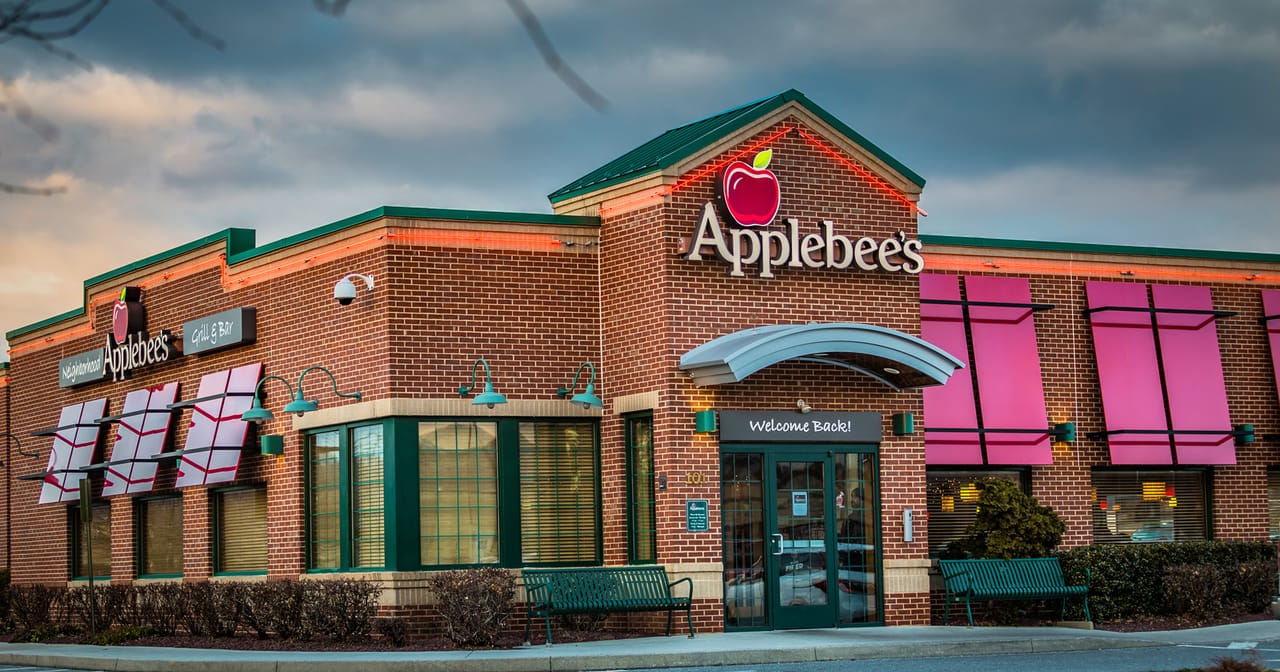
Applebee's reported robust first-quarter results, but momentum stalled in April as rising fuel costs pressured lower-income diners to reduce spending at casual-dining chains.
The chain, which operates nearly 1,600 locations across North America, serves a customer base heavily dependent on discretionary income. When gas prices spike, this demographic typically curtails restaurant visits first. The slowdown came after Applebee's posted solid comparable sales growth through March, suggesting the April weakness represents a meaningful shift rather than normal volatility.
Casual-dining operators like Applebee's occupy a precarious market position. They sit above fast food in price point but below fine dining, making them vulnerable when middle and working-class consumers tighten budgets. Rising transportation costs directly reduce customers' available spending money, forcing trade-downs to cheaper options or cooking at home.
The timing highlights broader headwinds facing the casual-dining sector. Applebee's competes against Chili's, TGI Friday's, and Olive Garden for the same price-conscious customer base already stretched by inflation across groceries, housing, and utilities. Fuel prices amplify this squeeze because they raise transportation costs for both consumers driving to restaurants and operators managing supply chains and delivery logistics.
Applebee's management will likely monitor May and June data closely. If fuel prices stabilize or decline, traffic could rebound. Sustained high prices threaten the chain's ability to maintain comp-store sales growth and could force aggressive promotional activity to lure customers back, pressuring margins already thinned by labor and commodity inflation.
The chain's parent company, Dine Global Holdings, controls the largest casual-dining footprint in the U.S. That scale offers some negotiating power with suppliers but cannot shield customers from empty wallets.
KEY INSIGHT: Gas price volatility directly correlates with traffic at