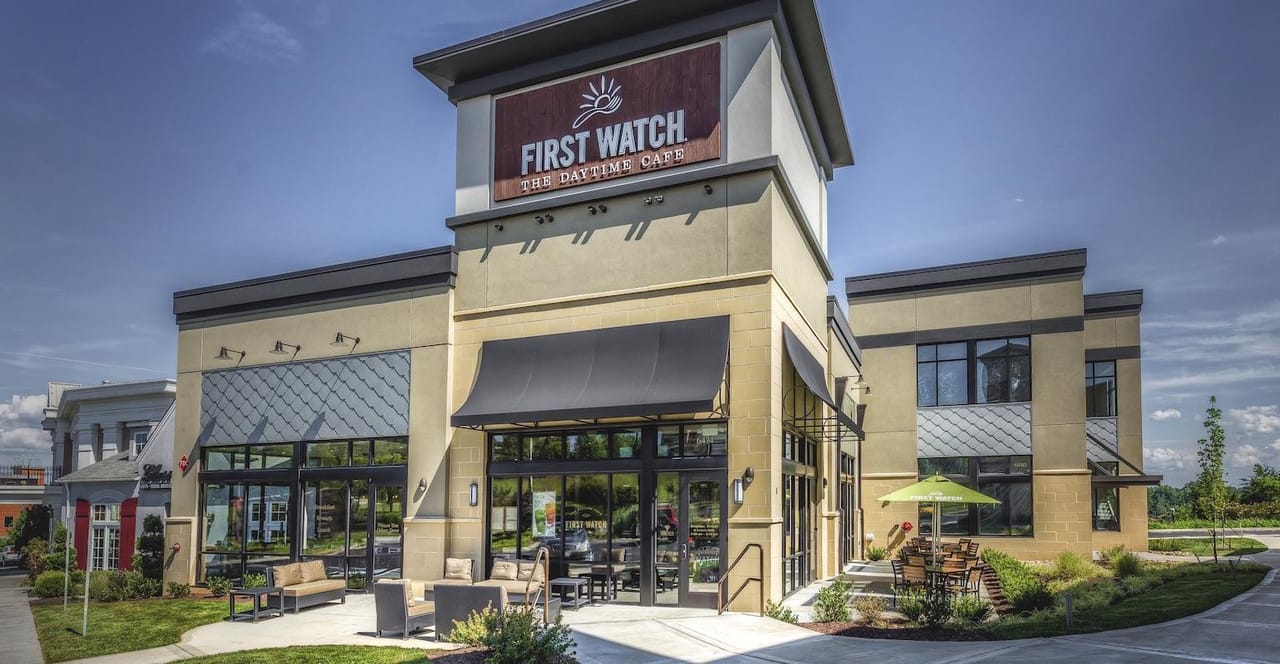
First Watch, the breakfast and lunch-focused chain, delivered a lift to its financial performance this quarter through a combination of menu innovation and targeted marketing. Same-store sales climbed 2.8%, driven by customers who spent more on a refreshed lineup.
The family-dining operator took aim at its core daypart strength. Rather than chase dinner crowds, the chain doubled down on what it does best. The refreshed menu introduced new items designed to encourage higher ticket averages without alienating the core customer base that fuels First Watch's afternoon rush.
Marketing efforts backed the new offerings. The chain invested in promoting specific dishes and value propositions that resonated with its target demographic. This wasn't about splashy celebrity partnerships or viral moments. Instead, First Watch executed straightforward, disciplined marketing that communicated menu changes directly to existing customers and potential converts.
The 2.8% same-store sales growth reflects controlled execution in a competitive casual dining landscape. Family-dining chains face persistent headwinds from both quick-service operators moving upmarket and fine-dining restaurants relaxing their formality. First Watch navigated this by staying in its lane. The chain serves a clear purpose at a clear daypart, and the new menu reinforced that positioning.
Customer spending increases matter more than traffic gains in today's restaurant economy. First Watch achieved exactly that. Existing customers came back and spent more per visit. That's harder to manufacture than it sounds, requiring menu items that justify premium pricing without feeling disconnected from the brand's identity.
The results suggest First Watch's strategy of focusing on breakfast and lunch excellence, rather than fighting for dinner share, continues to work. The chain's willingness to refresh its core menu rather than add complexity speaks to disciplined operations. Many casual-dining chains have stumbled by chasing trends. First Watch instead made calculated menu moves that drove the metric that matters most: what customers actually spend.