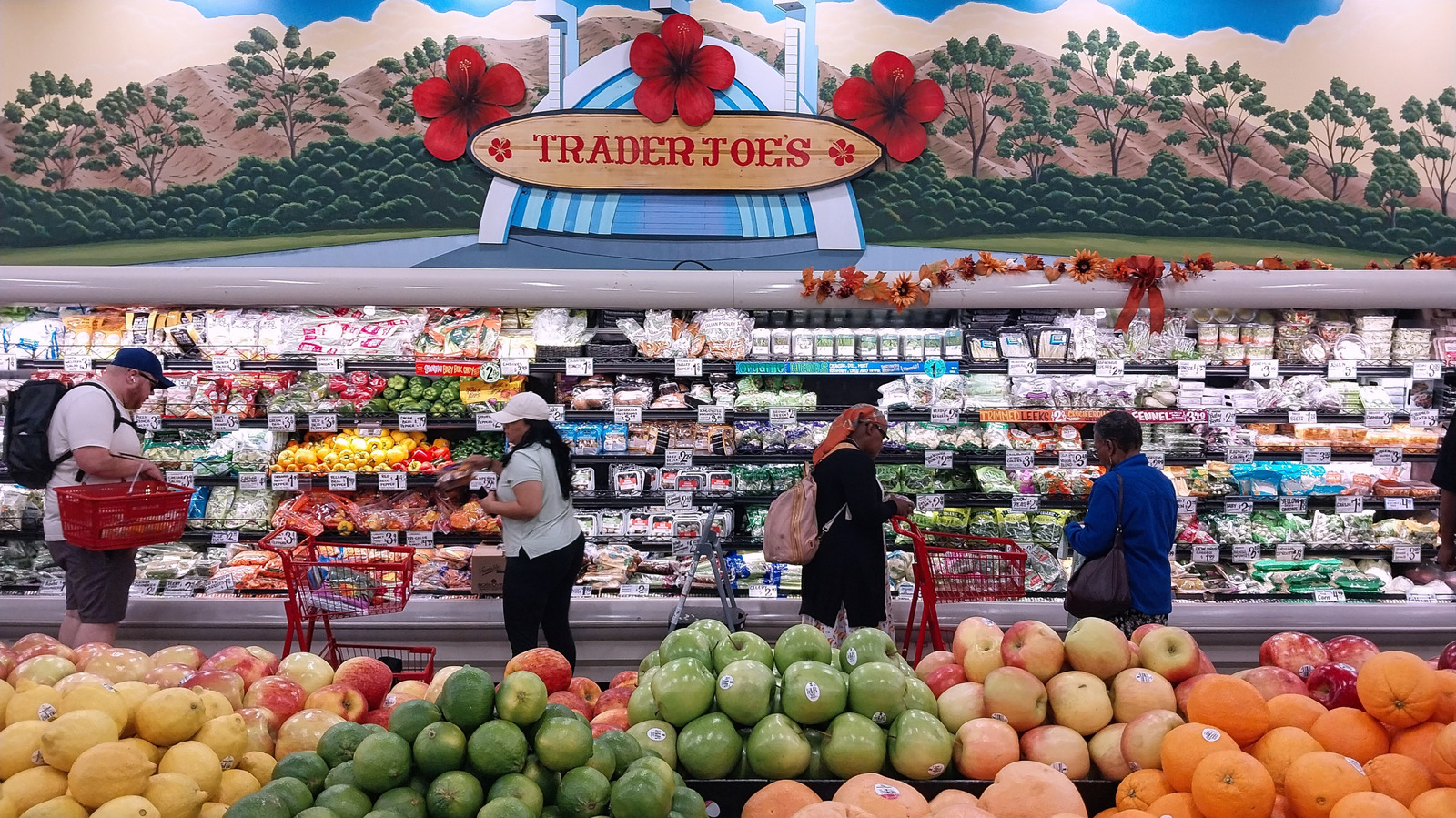
Trader Joe's rolls out its May seasonal lineup, bringing fresh offerings that capitalize on spring and early summer produce availability. The grocer's seasonal strategy keeps shoppers engaged with rotating products that highlight peak-season ingredients, from berries and stone fruits to fresh herbs and lighter fare.
The twenty recommended items span multiple categories. Spring vegetables take center stage alongside fresh dairy products and prepared foods that reflect warmer weather eating patterns. Trader Joe's leverages its supply chain to source ingredients at their flavor peak, then packages them under the store brand with minimal markup compared to traditional supermarkets.
This seasonal rotation serves a dual business purpose. It drives foot traffic as loyal customers hunt for limited-time items before they vanish from shelves. The strategy also builds community around the brand, with shoppers sharing discoveries on social media and in stores. Trader Joe's deliberately creates scarcity through seasonal exclusivity, rewarding regular visits.
The May selection likely includes items like fresh berries, spring salads, lighter sauces, and desserts that cater to seasonal entertaining. These products typically carry higher margins than year-round staples while feeling fresh and timely to consumers.
For shoppers, understanding Trader Joe's seasonal rhythm means purchasing strategically. Popular items sell out quickly, especially in competitive markets. Customers who visit early in the month secure preferred products before supply dwindles. The system also encourages exploration beyond usual purchases, as shoppers browse new offerings while hunting for specific items.
Trader Joe's seasonal model differs from conventional supermarkets that stock consistent inventories. By rotating products quarterly, the chain maintains excitement while managing inventory costs. This approach has become central to its brand identity and customer loyalty program.
THE TAKEAWAY: Trader Joe's seasonal products drive repeat visits and customer engagement through scarcity and freshness, rewarding shoppers who plan ahead.