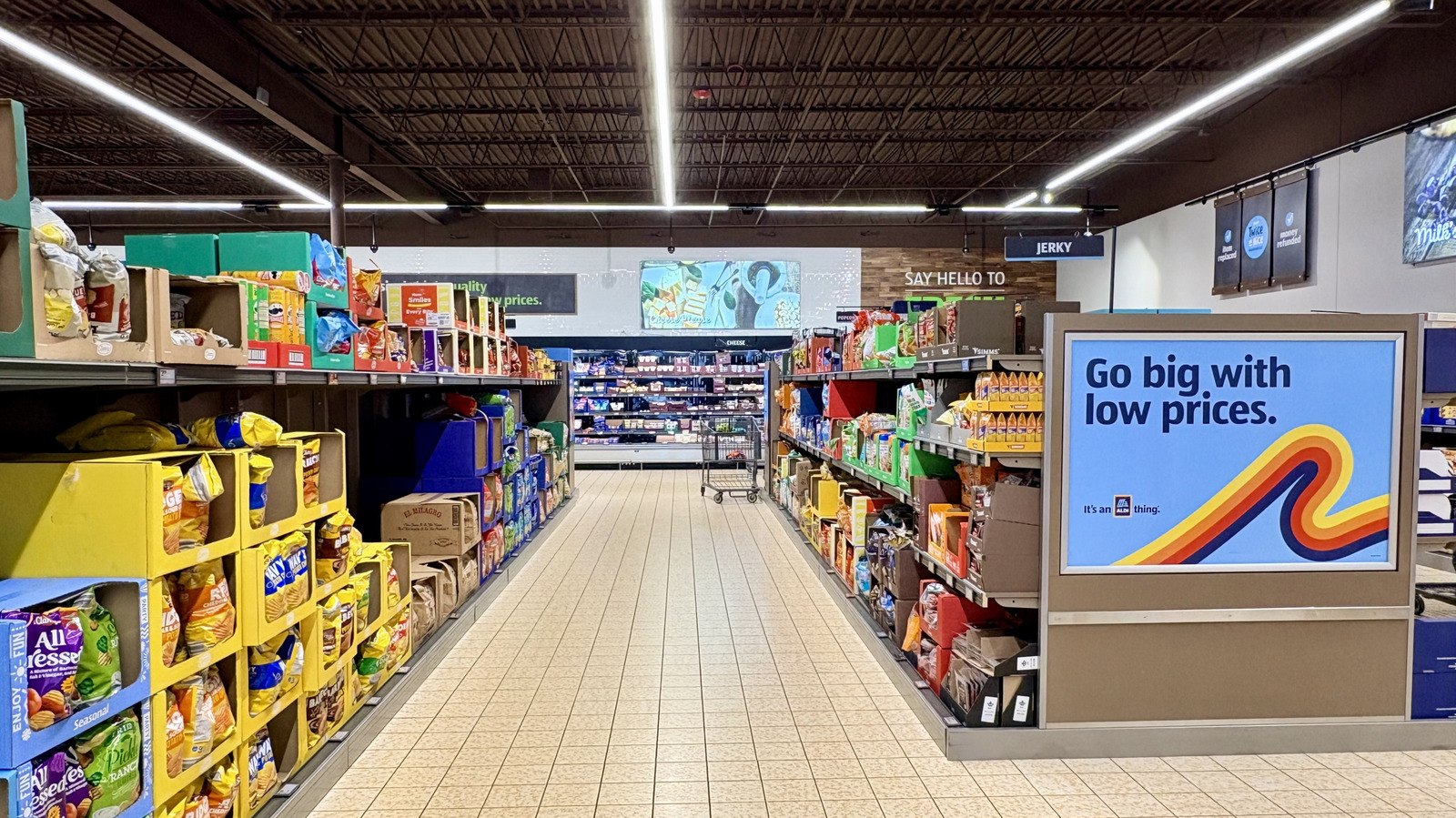
Aldi shoppers gravitate toward a consistent set of products that balance value with quality, forming the backbone of repeat purchases across the discount grocer's 10,000-plus locations. These staples reflect how budget-conscious consumers prioritize efficiency and savings without sacrificing everyday essentials.
The products customers buy on every trip tend to cluster around pantry basics, fresh produce, and Aldi's own-brand items. Shoppers reliably fill carts with eggs, milk, and cheese, where Aldi's pricing undercuts conventional supermarkets substantially. Fresh fruits and vegetables rotate seasonally but remain consistent purchases, as do bread and bakery items from Aldi's in-store production.
Aldi's private-label products command fierce loyalty. Their line of organic goods, frozen vegetables, and prepared foods offer price points that traditional brands cannot match. Shoppers return for canned goods, pasta, and oils because they've tested quality against name brands and found Aldi's offerings comparable at 30 to 40 percent lower prices.
The grocer's limited SKU model, roughly 1,400 items compared to 50,000 in a conventional supermarket, forces strategic purchasing. Customers know exactly where to find their regulars. No endless browsing. No decision paralysis. This friction reduction drives repeat visits.
Beverages also appear frequently in baskets. Aldi's sparkling water, coffee, and store-brand sodas perform well, as does their wine selection, where Aldi positions itself competitively against specialty retailers.
Meat and seafood counter items round out baskets, particularly when Aldi advertises weekly specials. The grocer's rotating promotions create urgency, yet customers return because baseline prices remain attractive even without deals.
This predictable purchasing pattern reflects Aldi's business model. The company trains customers to