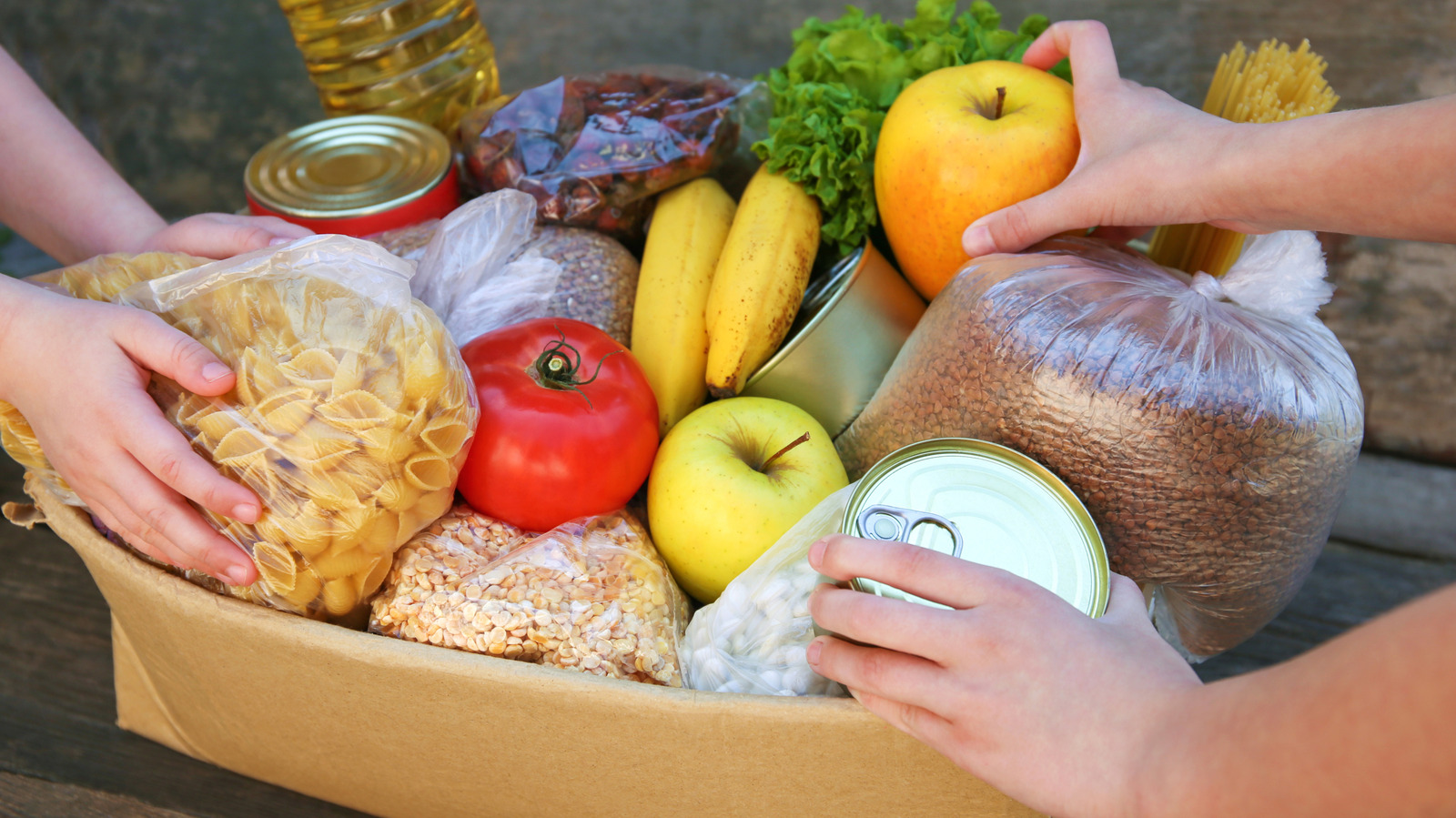
# Grocery Giants Turn Surplus Into Social Good
Fourteen major grocery chains now actively donate unsold food instead of discarding it, tackling one of retail's biggest waste problems while feeding communities in need.
Stores including Whole Foods, Target, Kroger, and Trader Joe's participate in food rescue programs that funnel perfectly good surplus inventory to food banks, soup kitchens, and shelters. Some chains use mobile apps that connect customers directly with discounted or free items nearing their sell-by dates, creating a real-time marketplace for food that would otherwise end up in landfills.
The model works like this: staff identifies edible products approaching expiration, logs them into donation networks or apps like Too Good To Go, and community organizations collect the goods. Whole Foods donates approximately 2 percent of its daily inventory across stores. Kroger's partnership with Food Rescue redirects tons of surplus weekly.
This shift addresses two pressing issues simultaneously. Food waste represents roughly one-third of the U.S. food supply, according to the USDA. Simultaneously, millions of Americans face food insecurity. By closing this gap, these retailers lower their waste disposal costs while supporting local nonprofits and individuals.
The business case proves compelling too. Donation programs qualify for tax deductions under the Good Samaritan Act, reducing retailers' tax burden. Marketing benefits follow naturally. Kroger and Whole Foods gain consumer goodwill and loyalty by publicly committing to sustainability and community support.
However, scaling remains incomplete. Most supermarkets still throw away significant quantities of edible food daily. Logistics, liability concerns, and staff training requirements create barriers for smaller chains or regional players.
These fourteen stores demonstrate that systematic donation transforms what retailers once viewed as inevitable loss into measurable community impact. As consumers increasingly demand corporate responsibility, food rescue programs shift from novelty to business