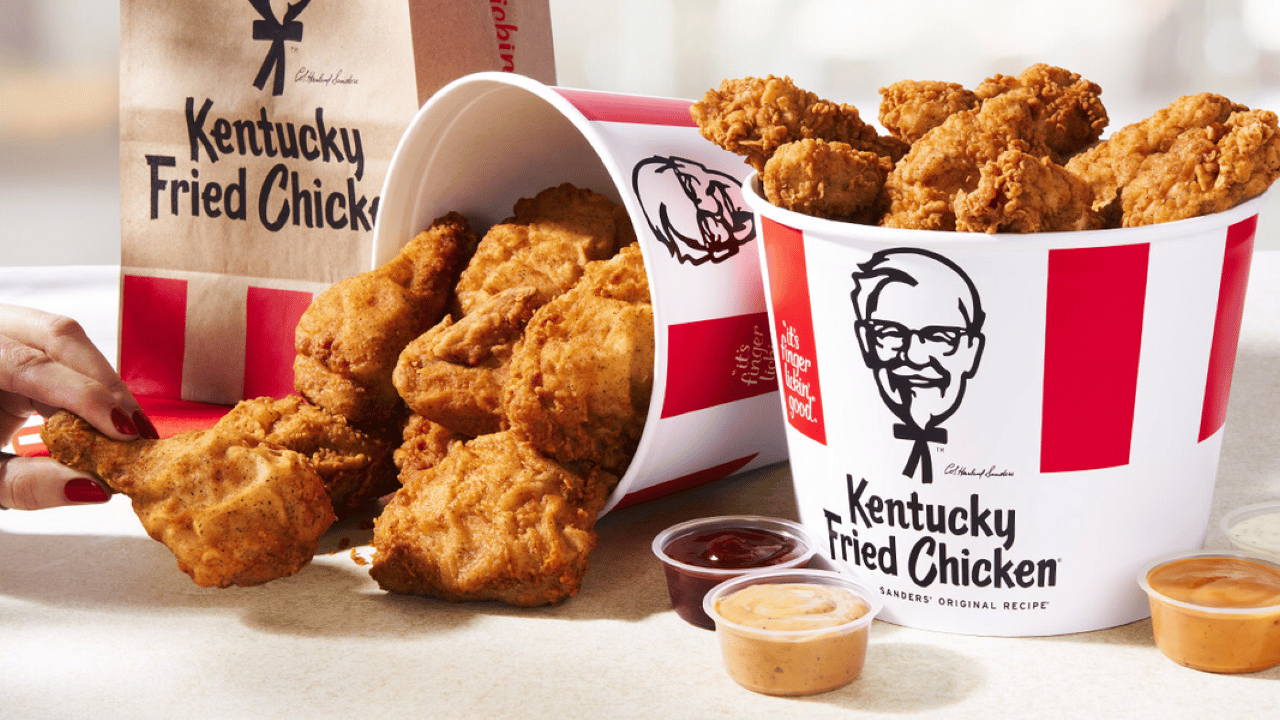
KFC seized a marketing moment by capitalizing on reports that celebrities requested hourly KFC deliveries during last year's Met Gala. The fast-food chain launched a promotional campaign tied to the exclusive fashion event, betting that the association between high-profile attendees and its fried chicken would resonate with consumers.
The strategy reflects how major food brands now pivot instantly toward cultural moments. KFC spotted an opening when whispers emerged that Met Gala guests, despite access to gourmet catering, craved the chain's chicken during the star-studded evening. Rather than let the moment pass, KFC activated a promotion to capitalize on the celebrity endorsement angle, even if unofficial and tongue-in-cheek.
This approach sits at the intersection of luxury and fast food, a territory more brands explore each year. KFC transforms casual celebrity preference into a marketing hook that appeals to mainstream consumers who want to feel connected to glamorous events. The promotion works because it humanizes Met Gala attendees. If A-list celebrities want KFC, the messaging suggests, it must be genuinely craveable.
The campaign also speaks to shifting attitudes about food hierarchy. A decade ago, luxury and fast food occupied separate universes. Today, boundaries blur. High-end restaurants reference fast-food techniques. Celebrity chefs celebrate fried chicken as culinary art. KFC positions itself within this cultural conversation where indulgence transcends price point.
For KFC, the timing matters. The chain operates in a hypercompetitive quick-service market where Popeyes, Chick-fil-A, and regional players constantly battle for share. Cultural relevance generates buzz that traditional advertising struggles to match. A single Met Gala reference, amplified through social media, reaches millions at fraction of traditional media cost.
The promotion also reveals how influencer culture and celebrity taste now drive consumer behavior. K