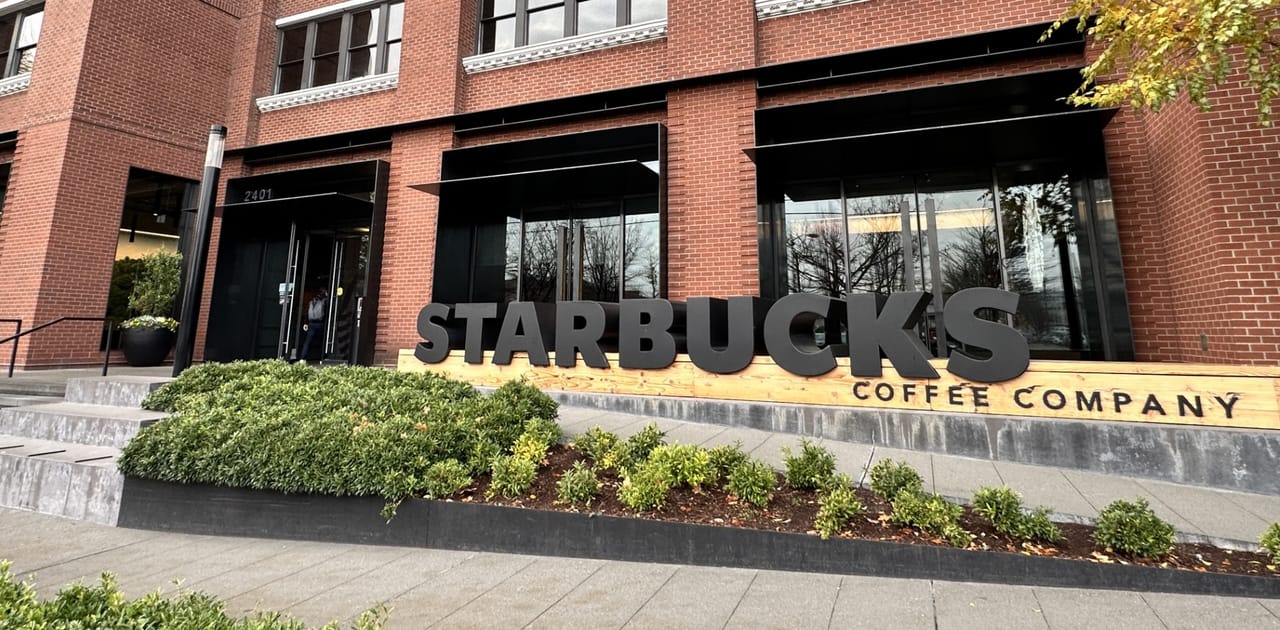
Starbucks notched a turning point this quarter with U.S. same-store sales climbing 7.1%, marking the company's first sustained growth after months of declining traffic. Transaction growth, not price hikes, drove the improvement, a crucial distinction for a chain facing consumer pushback over premium pricing.
The recovery signals that CEO Brian Niccol's operational overhaul is working. Since taking the helm, Niccol has focused on streamlining store operations, reducing wait times, and fixing the mobile ordering bottlenecks that plagued locations during peak hours. Simpler menus and faster service appear to be bringing customers back through the door.
Profit growth followed the sales momentum, validating investor confidence in the turnaround strategy. This matters because Starbucks operates on thin margins in a competitive market. The company competes against both independent coffee shops and other chains like Dunkin' and McDonald's for morning traffic and afternoon repeat customers.
The "milestone" label comes after quarters marked by stagnation. Younger consumers, particularly Gen Z, had gravitated toward competitors offering better value or trendier alternatives. Starbucks' pivot toward speed and consistency rather than innovation appears to have arrested that decline.
The U.S. market remains the company's largest and most profitable. International growth has lagged, but domestic stabilization clears the path for expansion and investment in technology, from AI-powered ordering to revamped loyalty programs.
Challenges remain. Labor costs continue rising, and wage negotiations in unionized stores add pressure to margins. Supply chain volatility affects input costs. But a quarter built on transaction growth rather than desperation pricing suggests Starbucks has found its footing.
WHY IT MATTERS: Consumer traffic patterns reveal what's working in QSR. Starbucks' rebound on transaction volume rather than price increases shows operational fixes