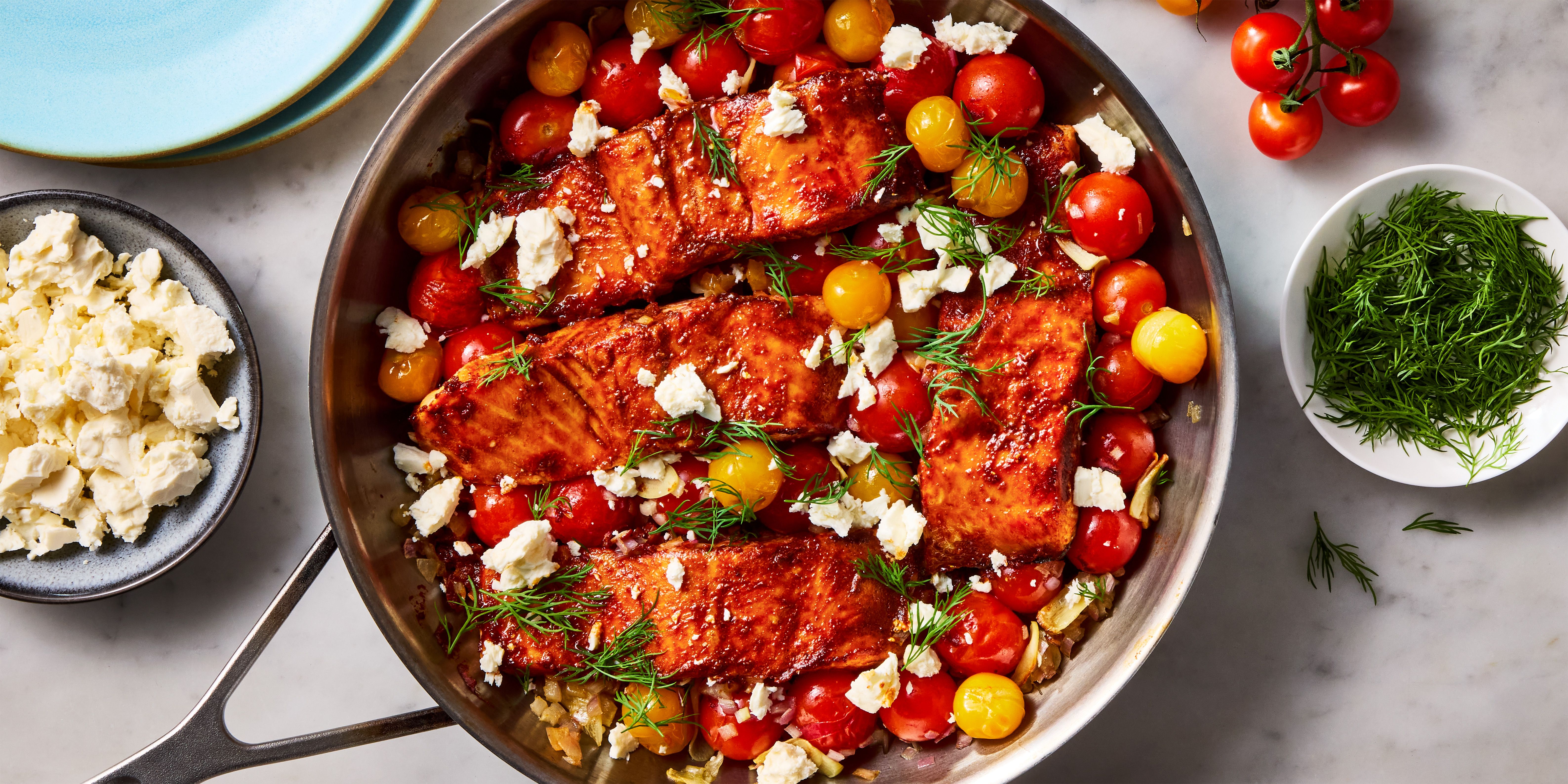
# The Mediterranean Diet Remains Science's Gold Standard
Nutrition experts converge on a single dietary approach as the healthiest option available today. The Mediterranean diet, built on olive oil, fresh vegetables, legumes, whole grains, and moderate fish consumption, consistently outperforms rival eating plans in peer-reviewed research.
This isn't new consensus. Studies from Harvard Medical School, the American Heart Association, and the World Health Organization all point to the same conclusion. People who follow the Mediterranean pattern reduce their risk of heart disease, type 2 diabetes, and cognitive decline. The diet emphasizes whole foods over processed alternatives and limits red meat to occasional consumption.
What makes this diet stick isn't restriction. It's abundance. A typical Mediterranean meal features seasonal vegetables, beans, whole wheat bread, nuts, and quality olive oil. Garlic, herbs, and lemon provide flavor without excess sodium. Red wine appears in moderation with meals, particularly in traditional Spanish and Italian versions.
The science is robust. A landmark 2013 study published in the New England Journal of Medicine followed 7,500 Spanish participants over five years. Those eating Mediterranean-style diets supplemented with extra virgin olive oil or nuts showed a 30 percent reduction in major cardiovascular events compared to control groups.
Unlike trendy diets that spike and fade, the Mediterranean approach has endured for centuries. It reflects how people in Greece, Italy, and Spain actually eat. Longevity rates in these regions remain among Europe's highest.
The practical appeal matters too. This diet doesn't demand calorie counting, elimination phases, or expensive supplements. A Mediterranean meal costs less than processed alternatives at many grocery stores. Home cooks can prepare authentic dishes in under 30 minutes.
Nutritionists recommend starting simple. Swap butter for olive oil. Add beans to salads. Choose whole grain bread. Build meals around vegetables first,