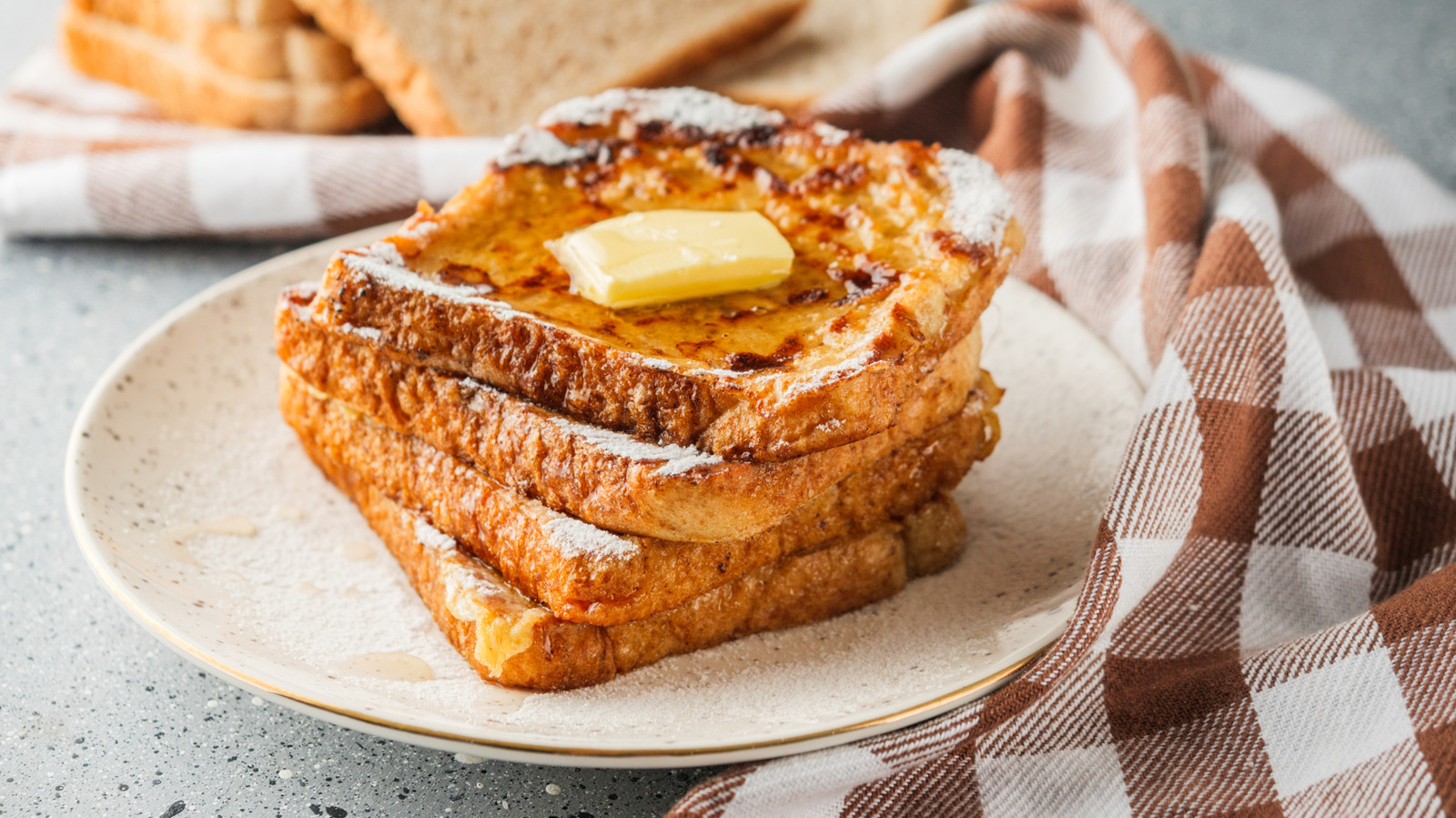
Semolina flour produces crispier French toast by thickening the custard batter and preventing bread from becoming soggy. Add two tablespoons of semolina per one and a half cups of liquid to the soaking mixture. Semolina is a coarse, pale-yellow flour made from grinding the endosperm of durum wheat, one of the hardest wheat species. It contains more protein and fiber than all-purpose flour, and its coarse grains absorb moisture effectively instead of letting it saturate the bread.
The flour's subtle nuttiness adds flavor complexity that pairs well with nutmeg and cinnamon. Balance matters. Add too little semolina and the mixture stays watery; add too much and it becomes paste-like. Start with about a tablespoon and adjust to reach desired consistency. After adding semolina, let the custard rest for a minimum of ten minutes before dipping bread. It should be thick enough to coat the back of a spoon.
If semolina is unavailable, regular flour works similarly but without the nutty flavor. Cornstarch slurry offers even more thickening power. Beyond adjusting the batter, dust bread with sugar after removing it from the custard but before cooking. Sugar caramelizes from heat, creating a crisp, brûléed crust and toasty flavor. Use moderate heat to avoid burning. Stale bread, one to two days old, also prevents sogginess by losing moisture and acting like a sponge for the custard.