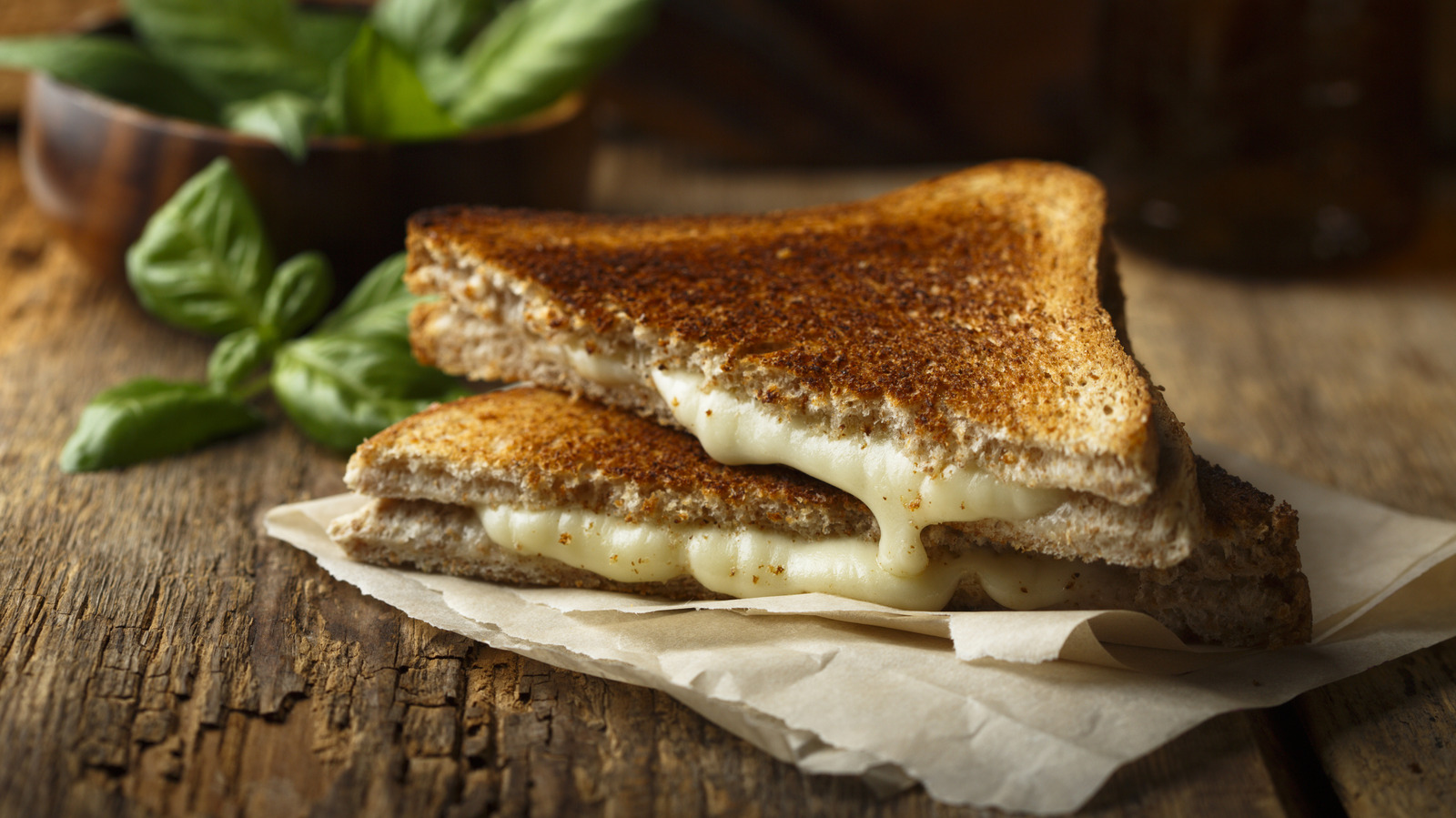
Ham hocks transform grilled cheese into a Southern-inflected sandwich when shredded and layered with cheese. The ingredient requires extended cooking to break down tough collagen and connective tissue, but the result yields tender, protein-rich meat that melts alongside cheese.
Smoked ham hocks offer a deeper cure and smoke profile than raw ones. Both versions benefit from low-and-slow simmering. Ham hocks cooked in Southern-style collard greens or black-eyed peas absorb acidity and earthy flavors that transfer to a sandwich. A fresh smoked ham hock simmered for a couple of hours provides a budget-friendly alternative to pulled pork.
The fat content in ham hocks allows for use of drier, aged cheeses that wouldn't work in traditional grilled cheese. Pecorino Romano, Parmigiano Reggiano, aged Gouda, and Manchego viejo cut through the hock's heaviness and deliver complexity even in small quantities.
Different parts of the hock offer distinct flavors. The skin, rich in fat and smoke, can be mashed into a spread or sliced thin. The meat directly under the skin is pinker and less potent, suiting those wanting protein without intense smoke. Meat from the top and bottom of the hock falls between these two in richness and smoke intensity, though results vary based on how the hock was smoked and prepared.