# Wasted Pasta Turns Bread Scraps into Supermarket Gold
A new player in the upcycled foods market has cracked the code on repurposing one of the hospitality industry's biggest waste streams. Wasted, a company specializing in pasta made from leftover bread, transforms day-old loaves and bakery scraps into shelf-stable dried pasta that rivals conventional brands in both flavor and texture.
The concept tackles a real problem. Commercial bakeries, restaurants, and grocery stores discard millions of tons of bread annually. Much of it remains perfectly edible but gets tossed due to cosmetic imperfections, overproduction, or simply reaching its sell-by date. Wasted intercepts this waste stream before it hits landfills, grinding salvaged bread into flour that becomes the base for finished pasta products.
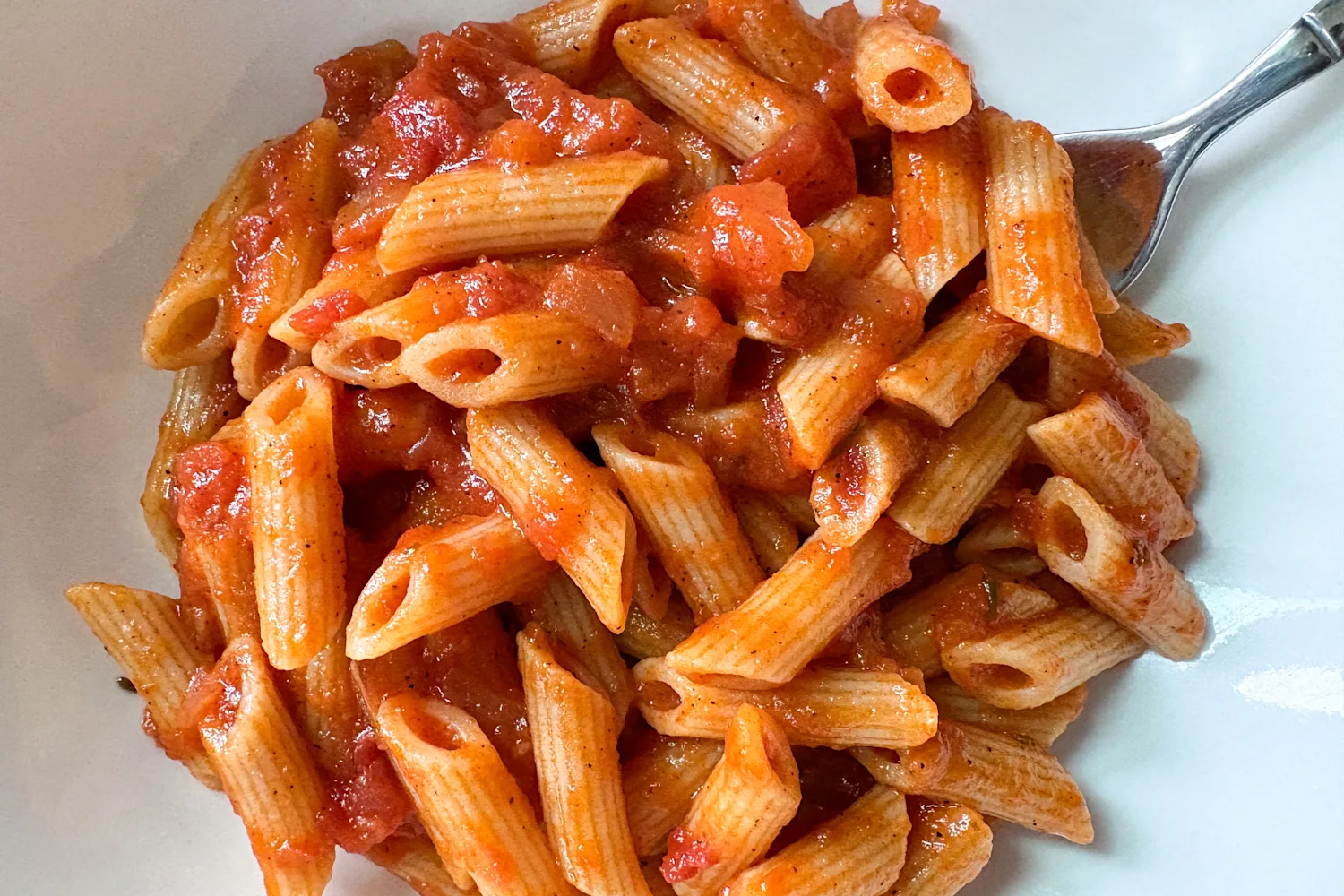
Skepticism around upcycled pasta is justified. Most home cooks remember school cafeteria experiments with alternative grains and substitutes that prioritized sustainability over satisfaction. But early reviewers report that Wasted pasta delivers on taste. The pasta carries the subtle nutty undertones of whole grain bread while maintaining al dente texture. It doesn't taste like cardboard or health food compromise. It tastes like pasta, which happens to come with an environmental backstory.
The texture holds up through cooking because the bread flour retains enough structure and protein content to form proper gluten networks. Unlike some grain-based alternatives, Wasted pasta doesn't turn to mush or require special handling. It cooks predictably, sauces cling properly, and the mouthfeel satisfies diners accustomed to durum wheat standards.
Wasted fits into a broader sustainability movement that extends beyond individual consumer choices. The upcycled food sector has grown from niche experiment to legitimate retail category. Major grocery chains now stock dedicated sections for products made from cosmetically imperfect produce, spent grains from breweries, and other would-be waste. Companies like Imperfect Foods and The Renewal Workshop have proven that consumers will pay premium prices for products with transparent sustainability credentials.
This pasta represents a logical next step. Bread waste persists despite compostable packaging becoming standard and awareness campaigns reaching consumers. The infrastructure exists to collect it, process it, and transform it into something people actually want to eat. Unlike composting bread, which returns nutrients to soil over months, upcycled pasta delivers immediate value while solving the waste problem simultaneously.
The product arrives at grocery stores in conventional dried pasta packaging. Price points run slightly higher than mass-market options like Barilla or Ronzoni, reflecting both the collection logistics and the brand premium for sustainability credentials. That positioning places Wasted directly in competition with premium conventional brands and other whole grain alternatives, not with budget options.
What matters most is that Wasted makes eating sustainably feel like an upgrade rather than sacrifice. Pasta shoppers don't have to choose between taste and environmental impact. They get both. The bread that once contributed to landfill problems instead lands on dinner plates across the country, cooked al dente and dressed in quality sauce. That shift in what sustainability tastes like could reshape how consumers approach grocery purchases more broadly.