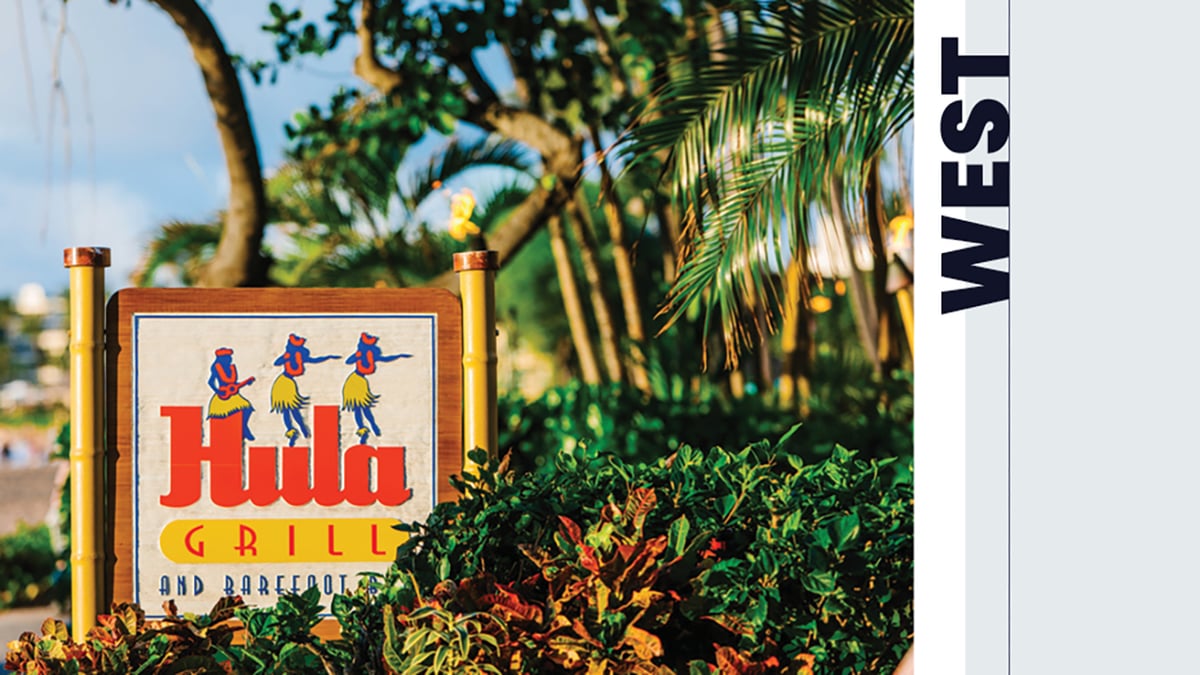
# TS Restaurants Turns Hawaiian Values Into Resilience Through Crisis
TS Restaurants, a family-owned hospitality group rooted in Hawaiian culture, has built a business model that survives calamity through something deeper than balance sheets. The company's commitment to "ohana," the Hawaiian concept of family and kinship, shaped how the business recovered from both fire and flood, transforming operational disasters into moments that tested and strengthened organizational bonds.
The restaurant group operates across Hawaii with a philosophy that extends beyond serving food. By embedding "ohana" into company culture, TS Restaurants treats employees and community as extended family rather than transactional relationships. This approach becomes the infrastructure that holds the business together when physical structures burn or waters rise.
Hawaii's hospitality sector faces unique vulnerabilities. Natural disasters hit tourism-dependent economies harder than most regions. Fires destroy kitchen equipment and dining spaces overnight. Floods compromise supply chains and isolate islands. TS Restaurants faced both challenges. Rather than retreating or closing locations permanently, the company leaned on its cultural foundation.
The "ohana framework operates as institutional memory and practical support. When a fire threatened operations, staff didn't scatter seeking other employment. When floods disrupted normal service, employees understood their role within a larger family structure. This retention matters enormously for hospitality, where recruiting and training takes months. TS Restaurants avoided the cascading costs of turnover during recovery periods.
The business also demonstrates how values-driven management creates adaptability. Restaurants that operate purely on efficiency models struggle when systems fail. Those built on human relationships find creative solutions faster. TS Restaurants staff improvised services, adjusted menus based on ingredient availability, and maintained customer relationships despite physical disruptions. Community members returned because they understood the group's commitment transcended profit margins.
This Hawaiian cultural foundation also resonated with the broader island community. Local consumers supported TS Restaurants through recovery efforts, recognizing that family businesses reinvest profits locally rather than extracting wealth to mainland corporations. In Hawaii, where cultural preservation and community self-determination matter deeply, this distinction shapes purchasing patterns and loyalty.
TS Restaurants' experience offers a model for hospitality businesses beyond Hawaii. The restaurant industry runs on razor-thin margins and operates in vulnerable locations. Traditional business management assumes disasters create binary outcomes: survive or fail. TS Restaurants proved a third path exists through cultural commitment. Treating workers and community as family converts vulnerability into resilience.
The group's recovery also highlights underappreciated business advantages of cultural authenticity. Companies that adopt values superficially for marketing purposes crumble under pressure. Those that genuinely embed cultural principles into daily operations and decision-making develop genuine organizational strength. TS Restaurants didn't post "ohana" on walls after disasters. The concept already lived in hiring practices, profit-sharing, and how managers responded to staff struggles.
Hawaiian hospitality, with its emphasis on welcoming visitors into community spaces and treating guests like extended family, aligns naturally with "ohana business practices. TS Restaurants didn't invent this philosophy from business school theory. It drew from cultural inheritance and applied it to modern operations. The result proves that honoring heritage creates competitive advantage.
Moving forward, TS Restaurants continues operating across multiple locations with renewed infrastructure and staff commitment. The business demonstrates that family restaurants built on genuine cultural values survive not just fires and floods, but the constant pressures that destroy less rooted operations.