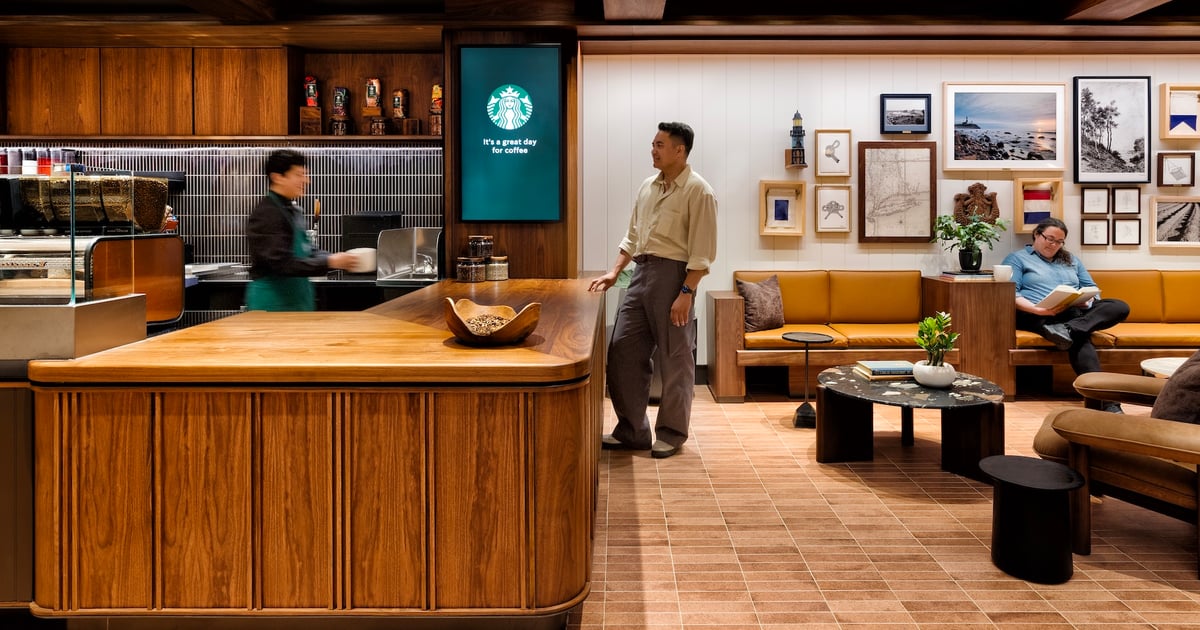
Starbucks announced it will close 250 additional coffee shops across North America, continuing an aggressive portfolio restructuring that began earlier this year. The closures follow an initial wave of shutdowns and reflect the company's effort to eliminate underperforming locations while it navigates shifting consumer behavior and labor challenges.
The closures represent roughly 3 percent of Starbucks' North American footprint. Company leadership framed the move as part of a broader operational review aimed at improving profitability and focusing resources on high-traffic, profitable stores. Many of the targeted locations operate in dense urban areas or transit hubs where foot traffic has declined since the pandemic disrupted commuting patterns.
Starbucks faces mounting pressure on multiple fronts. Same-store sales have declined in recent quarters as consumers pulled back on discretionary spending. The company also contends with a unionization push that has gained traction at hundreds of company-operated stores, complicating labor negotiations and raising operational costs. Store-level profitability has suffered as a result.
The chain operates roughly 9,000 company-operated stores in North America, making this latest round of closures substantial. Store closures typically reflect decisions based on foot traffic data, lease economics, and local competition. Urban locations that once thrived on office workers and commuters have seen traffic shrink as remote work accelerated post-pandemic. Similarly, some suburban locations underperform due to oversaturation or changing neighborhood dynamics.
This restructuring differs from typical store closures driven by poor individual performance. Instead, it signals a strategic pivot toward efficiency and margin protection. Starbucks has repeatedly emphasized that it will reinvest savings from closures into remaining locations, particularly those in high-potential markets. The company plans to modernize stores with new equipment and technology designed to improve customer experience and operational speed.
The coffee shop industry faces broader headwinds beyond Starbucks. Inflation has pressured both consumer budgets and operating margins, forcing chains to raise prices. Specialty coffee shops and regional competitors continue gaining share in key markets, fragmenting demand. Labor availability remains tight in hospitality, driving wage pressure.
Starbucks' restructuring strategy reflects a return to fundamentals. Rather than pursuing aggressive expansion, the company now prioritizes profitability over store count. This approach mirrors broader trends in quick-service restaurant chains, which increasingly view dense store networks as liabilities rather than assets. Overlapping locations cannibalize each other's sales without generating meaningful incremental revenue.
The closures will displace employees at affected locations, though Starbucks indicated it will attempt to transfer eligible workers to nearby stores. The company operates in a competitive labor market where retaining experienced baristas remains challenging.
The timing of this announcement matters. Starbucks faces intensifying pressure from activist investors and declining comparable-store sales. Portfolio optimization offers a path to demonstrate cost discipline and return to growth without requiring major strategic shifts. Whether these closures ultimately stabilize the chain's trajectory depends on execution and broader consumer spending trends. Investors will watch comparable-store sales metrics closely in coming quarters to assess whether the restructuring produces the intended margin improvement.