# The Mystery Manufacturer Behind Buc-ee's Beloved Gummy Bears
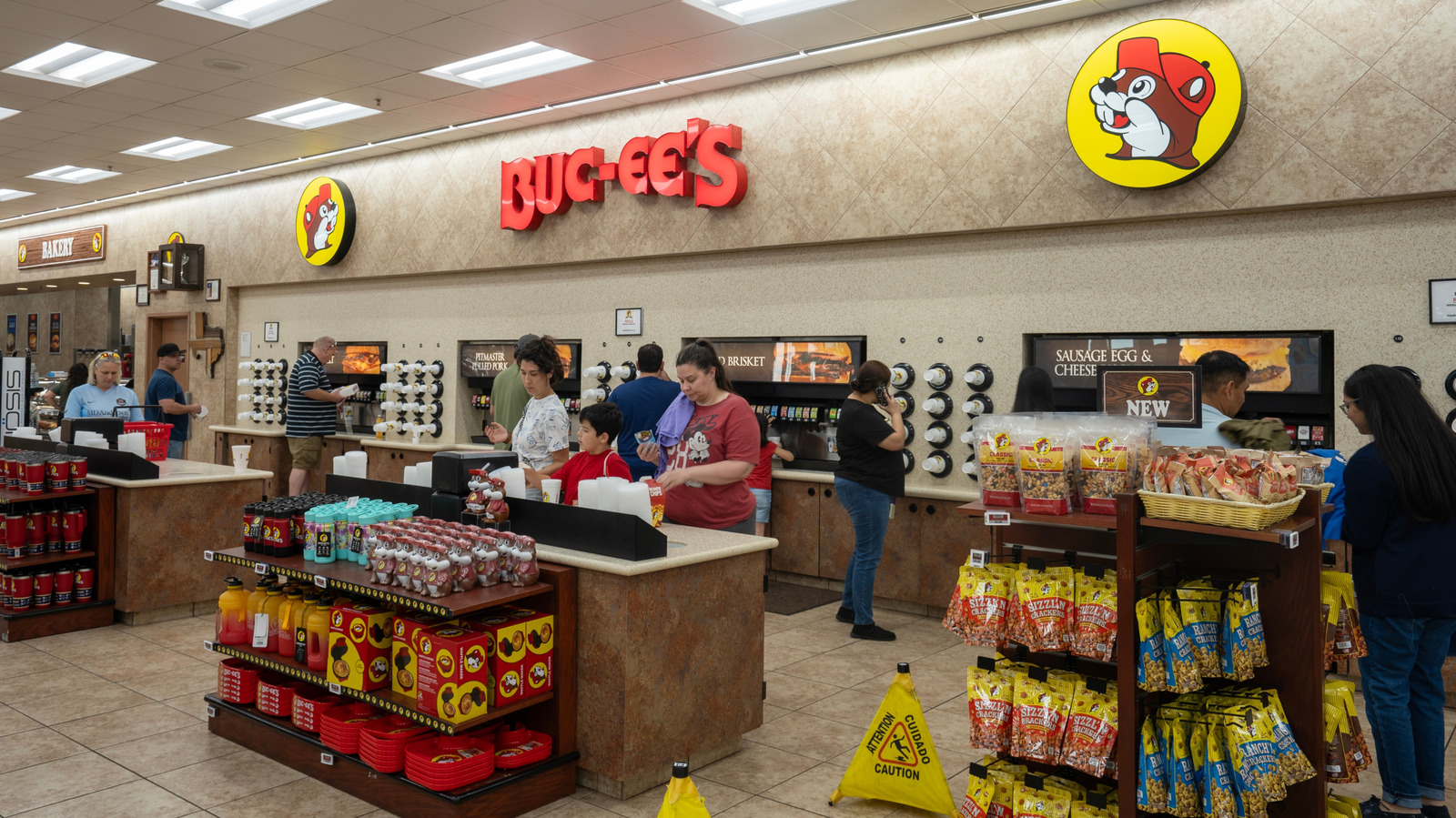
Buc-ee's gummy bears have become as iconic as the mega-convenience chain itself, yet most customers never pause to consider who actually makes them. The answer lies with a major player in the confectionery world that supplies countless retailers with private-label sweets.
Buc-ee's, the Texas-based travel center empire known for its massive stores, pristine bathrooms, and obsessive customer loyalty, carries a range of branded snacks that feel exclusive to the chain. The gummy bears rank among the most popular items, especially among road trippers stocking up for long drives. However, Buc-ee's does not manufacture its own candy. Instead, the company contracts with established confectionery manufacturers to produce products bearing the Buc-ee's name.
According to reporting, the gummy bears sold at Buc-ee's locations likely come from Haribo, the German confectionery giant that dominates the global gummy market. Haribo produces gummy candies for its own brand lines while also manufacturing private-label versions for major retailers, convenience chains, and travel centers. This arrangement is standard industry practice. Retailers outsource candy production to specialized manufacturers with established supply chains, quality control systems, and economies of scale that allow them to produce millions of units cost-effectively.
Haribo, founded in 1920 by Hans Riegel in Bonn, Germany, controls roughly half the global gummy bear market. The company operates production facilities across multiple continents and holds the expertise to customize formulations, flavors, and packaging for different clients. For Buc-ee's, this likely means Haribo produces gummy bears to Buc-ee's specifications, possibly with unique flavor combinations or packaging that distinguish them from standard Haribo offerings.
The private-label model benefits retailers like Buc-ee's in several ways. Contracting manufacturing allows them to offer branded products without the capital investment of building factories. Quality remains consistent because Haribo maintains rigorous standards across all production. Buc-ee's can market the gummies as a premium experience item, and customers perceive them as part of the Buc-ee's brand identity, even though manufacturing happens elsewhere.
This arrangement extends across Buc-ee's entire food operation. The chain's famous snack assortment, from kettle corn to beef jerky, typically involves partnerships with established food producers. Buc-ee's handles branding, packaging, distribution, and retail strategy while manufacturers handle the actual production.
For consumers, this raises no quality concerns. Haribo operates under strict food safety protocols and FDA regulations. The gummy bears purchased at Buc-ee's meet the same manufacturing standards as Haribo's retail products. The main difference is packaging and branding.
Buc-ee's has cultivated a mystique around its product selection that drives customer engagement and repeat visits. Knowing that Haribo manufactures the gummies behind the scenes does not diminish that appeal. Road trippers continue buying them because of quality, taste, and association with the Buc-ee's experience itself. The manufacturer remains largely invisible to consumers, which is exactly how most retail private-label arrangements operate.