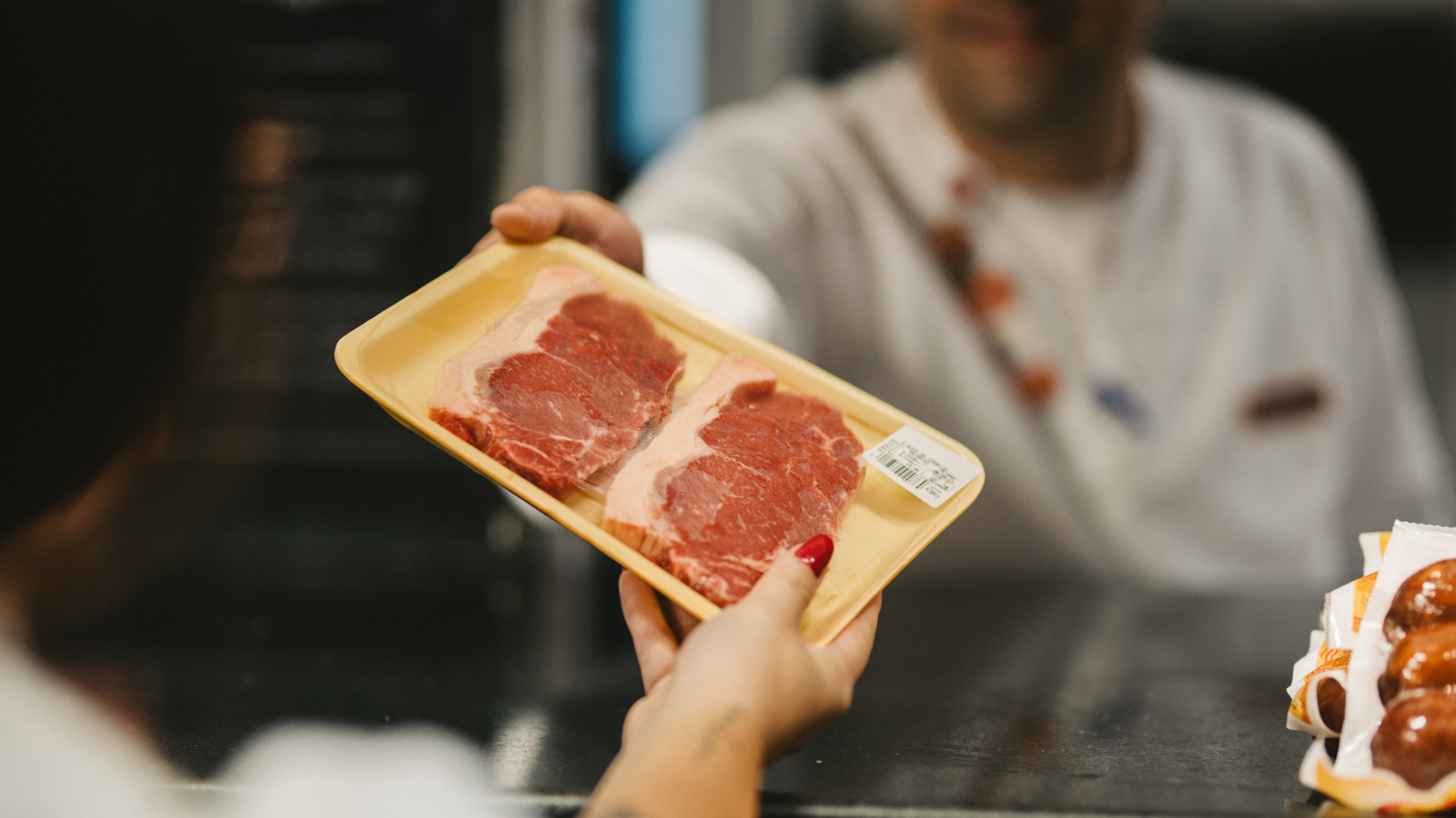
Sam's Club shoppers face a paradox in the warehouse's sprawling meat section. Bulk purchasing promises savings, but not every protein offering delivers genuine value. The Daily Meal identified 11 cuts and products where Sam's Club pricing fails to justify the purchase, even when factoring in the membership fee.
Warehouse clubs built their reputation on offering bulk deals that undercut traditional supermarkets. The meat counter represents a cornerstone of this value proposition, yet certain items work against that promise. Premium cuts like filet mignon, ribeye steaks, and lamb chops often carry markup that rivals or exceeds specialty butchers. The bulk format forces buyers to commit to larger quantities than many households need, increasing the risk of spoilage or freezer waste.
Ground beef presents another pitfall. While Sam's Club offers competitive pricing on standard ground chuck, the club's branded ground beef patties and pre-formed burger options carry significant premiums. Shoppers pay for convenience and portion control, but the per-pound cost often exceeds buying whole ground beef from conventional supermarkets and portioning it at home.
Processed meats deserve scrutiny as well. Sam's Club's hot dogs, bacon, and sausages frequently cost more per ounce than sale prices at regional grocery chains. These items appeal to bulk buyers hosting events or stocking household freezers, but the value proposition weakens when comparing year-round availability of deals at traditional retailers.
Prepared rotisserie chicken, while popular, carries inflated costs relative to raw whole birds. Sam's Club charges premium prices for the convenience of pre-cooked protein, yet buying raw rotisserie-ready chickens and roasting them at home cuts expenses significantly.
Specialty and organic meat options represent another category where Sam's Club abandons its value positioning. Grass-fed beef, organic chicken, and heritage pork cuts cost substantially more than comparable offerings at dedicated butcher shops or specialty retailers who negotiate directly with producers.
The markup on imported meats creates additional concerns. Steaks labeled as grass-fed Australian beef or other international varieties command prices that eliminate any warehouse club advantage.
Smart Sam's Club shoppers should adopt a comparison strategy before filling their cart. Checking local supermarket weekly ads for meat sales often reveals better per-pound pricing on premium cuts. Building relationships with independent butchers provides access to quality proteins without the bulk commitment.
Warehouse clubs excel with certain proteins. Chicken breasts, pork shoulders, and bulk sausage links typically offer genuine savings. But the meat section demands the same scrutiny as any other department. The Sam's Club membership pays off when used strategically, not as blanket approval for every protein in the case.