# Sweetgreen Stages All-Salad Challenge as Marketing Play, Seeks 30 More Volunteers
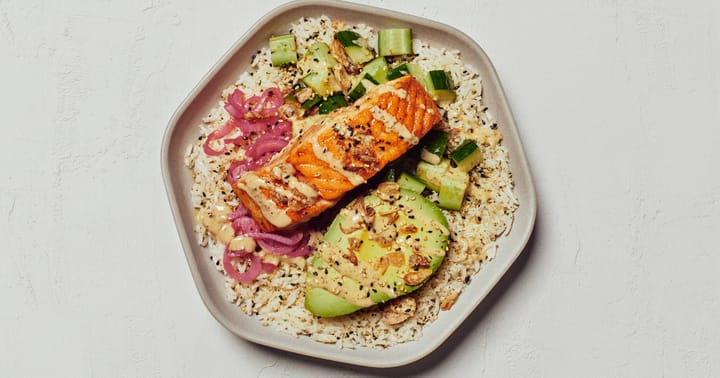
Tim Donohue spent $900 and 25 days eating nothing but Sweetgreen salads, bowls, and warm grain plates. The results left questions unanswered. Now the fast-casual salad chain wants 30 more people to commit to a full month of eating exclusively from its menu, turning a personal experiment into a scaled marketing campaign built on user-generated content.
Donohue's journey produced mixed outcomes. The experiment tracked physical changes, energy levels, and digestive effects, but no clear narrative emerged that would crown the salad chain as a wellness solution. Sweetgreen, however, spotted opportunity in the ambiguity. Rather than shelve the idea, the company pivoted. It announced an open call for 30 content creators to replicate Donohue's 30-day pledge, extending the challenge from his 25-day run to a full calendar month.
The strategy reveals how quick-service restaurants now operate. Viral experiments and social media challenges have become cost-effective customer acquisition tools. By recruiting creators with existing audiences, Sweetgreen invests in distributed marketing that reaches followers across TikTok, Instagram, and YouTube without paying traditional advertising rates. Each participant becomes a brand ambassador documenting their experience in real time.
The logistics matter. Thirty days of Sweetgreen meals at average pricing could cost between $1,000 and $1,500 per participant. For the company, seeding 30 creators means a guaranteed revenue stream of $30,000 to $45,000 plus the incalculable value of ongoing social content. The math works. Even if only five participants generate meaningful engagement, the return on that media spend crushes conventional paid promotion.
This approach also addresses a persistent fast-casual challenge. Sweetgreen operates in a crowded space dominated by Panera Bread, Chipotle, and regional competitors offering similar convenience and fresh-ingredient messaging. Differentiation requires narrative. A single person eating one brand's food for 25 days generates curiosity. Thirty people doing it simultaneously generates trend status. The chain's willingness to scale the experiment signals confidence in both its food quality and its cultural relevance among younger diners.
The "all one thing for 30 days" format taps into existing internet culture. YouTubers and TikTokers have sustained audiences through extreme eating challenges, genre restrictions, and single-brand marathons for years. Sweetgreen recognized this appetite for documented constraint and self-imposed limitation. The challenge offers creators built-in content structure for an entire month. They need not invent narratives. Meal variety, body changes, psychological responses to repetition, and taste fatigue write themselves.
Questions linger about authenticity and health claims. Fast-casual salad chains occupy a marketing space where "fresh" and "healthy" function as core positioning, yet a diet of exclusively pre-made bowls raises legitimate nutritional concerns around sodium, caloric density, and nutrient repetition. Donohue's mixed results may hint at those trade-offs. Sweetgreen does not need Donohue to emerge as a picture of vitality. It needs the challenge itself to trend, creating awareness among audiences that might otherwise scroll past a traditional ad.
The 30-person expansion launches Sweetgreen into micro-influencer farming. By the time the challenge wraps, the chain will have generated hundreds of hours of video content across dozens of platforms, all featuring its menu items in lifestyle contexts. That content persists and compounds, reshaping the brand's cultural footprint far beyond the challenge's calendar window.