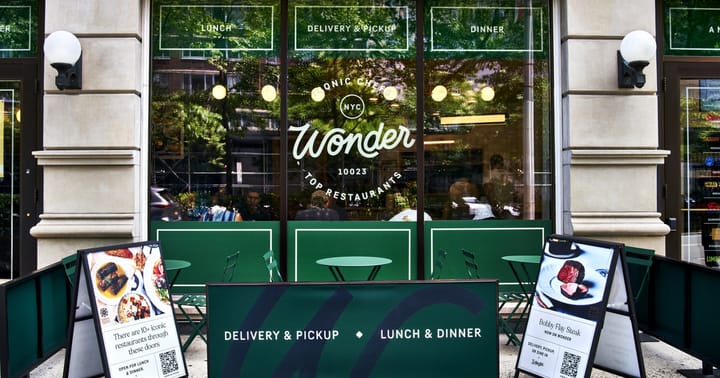
Wonder, the technology-driven ghost kitchen company backed by prominent venture capital firms, has cut 7 percent of its workforce in a restructuring move. The layoffs eliminated approximately 150 positions across the company, according to sources familiar with the decision.
The cuts reflect mounting pressures on the ghost kitchen sector, which exploded during the pandemic as restaurants shuttered dining rooms and consumers embraced delivery. Wonder operates a network of dark kitchens, delivery-only facilities that prepare meals for multiple brands without front-of-house service. The model promised efficiency, lower overhead, and rapid scaling. Reality proved messier.
Wonder raised significant capital from investors including Insight Partners and Lowercarbon Capital, positioning itself as the infrastructure backbone of digital-first food delivery. The company expanded aggressively, opening kitchens in major metropolitan areas and operating multiple restaurant concepts from single locations. This approach theoretically maximized kitchen utilization and reduced waste.
The layoffs signal that Wonder's growth trajectory is decelerating. Ghost kitchen operators have faced structural headwinds since 2022. Consumer delivery spending plateaued as pandemic-era habits normalized. Delivery platforms like DoorDash and Uber Eats tightened commission rates and demanded higher order volumes to survive. Real estate costs for kitchen space remained stubbornly high even as food delivery growth flattened. Many ghost kitchen ventures either shuttered entirely or consolidated operations.
Wonder's decision to trim staff suggests the company is rightsizing its operations. Rather than continuing to expand headcount ahead of revenue growth, the company appears to be aligning expenses with current demand. This streamlining approach became standard across the venture-backed restaurant technology sector as investor appetite for high-burn-rate startups evaporated.
The ghost kitchen model itself remains viable for specific use cases. Restaurants launching new concepts with minimal risk. Established chains testing regional expansion without permanent commitments. Operators who cannot access prime retail locations. But the model alone does not guarantee profitability. Success requires disciplined unit economics, strong brand recognition, and efficient delivery logistics.
Wonder's workforce reduction affects roughly one in fourteen employees. The company has not disclosed which departments absorbed the deepest cuts or whether operations, corporate functions, or both were impacted. A reduction of this scale typically preserves core operations while eliminating redundancies or slower-performing functions.
The layoffs arrive as the broader restaurant technology sector faces investor skepticism. Companies that once promised to disrupt traditional dining through technology and capital now must prove sustainable business models. Many pivoted to B2B services, supplying kitchen infrastructure or logistics to established restaurants rather than operating consumer-facing brands directly.
For Wonder's remaining staff, the layoffs may stabilize the company's trajectory. Leaner operations require less capital burn and allow profitability at lower revenue thresholds. Whether Wonder can leverage its kitchen network and operational expertise into a sustainable business remains an open question. The ghost kitchen sector's future depends on companies finding lasting competitive advantages beyond pandemic-driven trends.