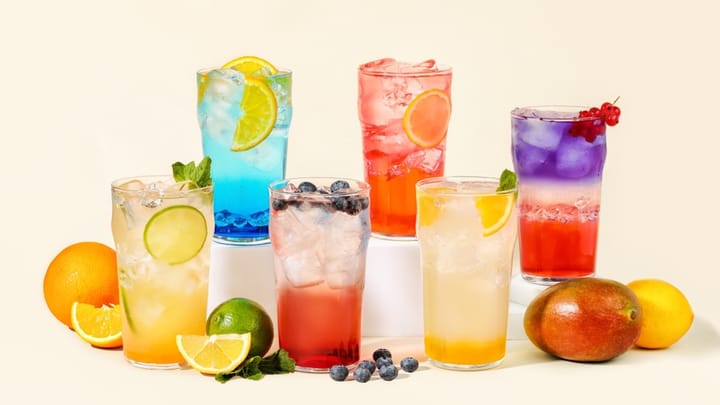
# Restaurants Double Down on Beverages as Profit Centers
The National Restaurant Association's 2026 Restaurant Beverage Trends report signals a clear shift in how restaurants view drinks. Beverages now rank as potential growth drivers rather than afterthoughts to the meal. Consumers actively seek drink-centric experiences, and operators are restructuring their establishments to capitalize on this demand.
The beverage category has long represented a high-margin opportunity for restaurants. A cocktail or specialty drink typically commands a 75 to 85 percent markup compared to food's 60 to 70 percent range. Yet most restaurants have treated beverage programs as secondary offerings. The 2026 report demonstrates that this approach no longer matches consumer behavior.
Today's diners expect more from the drink menu. They want craft cocktails with house-made syrups and bitters. They pursue wine pairings curated for specific dishes. They demand non-alcoholic alternatives with complexity and care. Zero-proof spirits, botanical mocktails, and fermented beverages now occupy prime real estate on menus where energy drinks once sat alone.
Restaurants are responding with structural changes. Some now employ dedicated beverage directors or head sommeliers where none existed five years ago. Others have expanded bar space, investing in equipment for fresh juice extraction, sous vide aging techniques, and molecular mixology. The bar itself transforms from a holding area to a destination within the restaurant.
Spirits selection reflects this evolution. Craft distilleries gain shelf space alongside established brands. Restaurants spotlight local producers, connecting diners to regional drink culture the way farm-to-table movements once emphasized produce. Mezcal, Japanese whisky, and boutique gin brands feature prominently on new menus launched in 2025 and 2026.
Wine programs have shifted toward diverse price points and smaller pours. Rather than exclusively offering expensive bottles, restaurants now feature natural wines, orange wines, and selections under forty dollars by the glass. This democratizes wine service and encourages exploration.
Coffee and tea categories expand beyond breakfast service. Specialty coffee bars operate alongside full beverage programs. Cold brew systems, nitro coffee, and pour-over service become restaurant standards. Tea moves beyond simple hot leaf water into serious territory, with loose-leaf selections and proper brewing protocols.
The non-alcoholic segment drives particular growth. Gen Z consumers and sober-curious adults reject the designation of "virgin" cocktails as lesser drinks. Restaurants develop premium non-alcoholic programs with equivalent pricing and ingredient investment. This shift addresses both health consciousness and inclusivity concerns.
Beverage education becomes part of restaurant culture. Bartenders transition from pouring drinks to explaining them. Staff training programs increase. Menus include tasting notes and production details. Some restaurants now host beverage pairing events and educational tastings as revenue streams.
Technology integration supports this evolution. POS systems now track which beverages drive profit. Apps allow customers to explore menus and make reservations based on beverage offerings. Some restaurants use QR codes to link drinks to producer stories or educational content.
The 2026 trends report documents what progressive operators already know: beverages represent untapped profit potential. Restaurants that invest in beverage programs now position themselves ahead of competitors. Those that treat drinks as genuine menu centerpieces rather than transaction add-ons capture customers seeking complete drink-focused dining experiences. The shift rewards restaurants willing to rethink beverages as core business strategy rather than convenience.